Navigating the world of PC for games can be daunting especially when balancing a busy life. This comprehensive guide helps US gamers who juggle work family and personal time to make smart informed decisions about their gaming rig. Discover how to choose optimize and maintain your PC for games ensuring maximum enjoyment and value without the typical gaming industry hype. We dive into performance issues budget friendly upgrades and the latest trends in social gaming and cross play. Whether you are building from scratch or upgrading an existing machine this resource provides practical actionable advice to enhance your gaming experience. Learn about essential components game recommendations for limited time sessions and effective strategies to keep your system current and running smoothly. Our focus is on real world solutions for common gamer pain points making your PC for games journey stress free and fun. Get ready to level up your understanding and enjoy your leisure time to the fullest.
What makes a good PC for games in 2026?
In 2026 a strong PC for games typically features a powerful CPU (e.g. latest Intel i7/i9 or AMD Ryzen 7/9) a current-gen GPU (NVIDIA RTX 40 series or AMD RX 7000 series) at least 16GB of DDR5 RAM and a fast NVMe SSD of 1TB or more for quick loading. These components ensure smooth performance across modern titles even at high resolutions and demanding settings.
How much RAM is truly needed for gaming in 2026?
For most PC for games users in 2026 16GB of DDR5 RAM is considered the minimum sweet spot for smooth gameplay across AAA titles. However if you frequently multitask stream or play highly demanding simulation games 32GB of DDR5 RAM offers better future proofing and ensures consistently fluid performance without any memory related bottlenecks.
Why are SSDs crucial for a modern gaming PC?
SSDs Solid State Drives are crucial for modern PC for games because they drastically reduce game loading times and improve overall system responsiveness compared to traditional HDDs. Games today feature massive open worlds and high resolution textures which benefit immensely from the rapid data access speeds provided by NVMe SSDs ensuring you spend more time playing and less time waiting.
What resolution should I target for my PC for games?
For most PC for games users targeting 1080p or 1440p resolution offers the best balance of visual fidelity and performance. While 4K is an option it requires significantly more powerful and expensive hardware to maintain high frame rates. 1440p provides a noticeable visual upgrade over 1080p without being as demanding as 4K making it a popular choice.
When is the best time to buy components for a gaming PC?
The best time to buy components for a PC for games often aligns with major sales events like Black Friday Cyber Monday or Amazon Prime Day. Additionally new product launches can sometimes lead to price drops on previous generation hardware offering excellent value. Researching price trends and patience can save you significant money.
How can I keep my PC for games cool during intense sessions?
Keeping your PC for games cool during intense sessions is vital for performance and longevity. Ensure good airflow within your case with adequate intake and exhaust fans. Regularly clean dust from fans and heatsinks. Consider upgrading to a more efficient CPU cooler (air or liquid) if temperatures are consistently high. Proper cable management also aids airflow.
Is a high refresh rate monitor important for a gaming PC?
Yes a high refresh rate monitor 120Hz 144Hz or higher is very important for a PC for games especially for competitive titles. It provides a much smoother more responsive visual experience compared to standard 60Hz monitors allowing for quicker reactions and reducing motion blur. Pairing a capable GPU with a high refresh rate monitor unlocks the full potential of your gaming rig.
Is your precious gaming time often cut short by slow load times choppy framerates or the headache of constant technical glitches? For many US gamers averaging around 36 years old who balance demanding jobs family responsibilities and other life commitments the dream of seamless immersive gaming often clashes with the reality of limited time and technical frustrations. You want to unwind connect with friends or sharpen skills without spending half your evening troubleshooting. That is where a thoughtfully selected and optimized PC for games becomes your ultimate ally not another chore.
You are part of the vast majority with 87 percent of US gamers regularly diving into virtual worlds often for 10 plus hours a week. But unlike the younger crowd with endless hours to tinker you need solutions that are efficient reliable and deliver maximum fun for your valuable time. This comprehensive guide is designed exactly for you the dedicated but time constrained gamer. We will cut through the noise offer practical advice and provide actionable strategies to help you get the most out of your PC for games ensuring every session is about relaxation fun and achievement not frustration. Let us empower you to conquer both in game challenges and real world PC setup issues transforming your gaming experience.
How Do I Pick The Right PC for Games Without Breaking The Bank?
Choosing a PC for games on a budget requires smart prioritization. Instead of aiming for the absolute top tier components focus on a balanced system that delivers excellent performance at your desired resolution typically 1080p or 1440p. For 2026 this often means a mid range GPU like an NVIDIA RTX 4060 or an AMD Radeon RX 7700 XT paired with a capable CPU such as an Intel Core i5 14th gen or an AMD Ryzen 5 7000 series. These combinations offer fantastic value for the majority of current titles.
Consider buying previous generation components on sale or looking at reputable refurbished options. Often last years flagship CPU or GPU can still outperform this years mid range at a significantly lower cost. Do not skimp on storage a fast NVMe SSD is crucial for quick game loads and overall system responsiveness. A 1TB drive is a good starting point allowing room for several large titles. Finally remember that a good power supply unit PSU is an investment in your systems stability and longevity. A 650W to 750W 80 Plus Gold rated PSU will serve most mid range builds well.
What Are The Essential Components for a Good Gaming PC in 2026?
A solid PC for games in 2026 hinges on several key components working in harmony. At its core you need a powerful Central Processing Unit CPU and a capable Graphics Processing Unit GPU. The CPU handles game logic AI and system tasks while the GPU renders the stunning visuals. For a modern gaming experience target at least an Intel Core i7 14th generation or an AMD Ryzen 7 7000 series CPU and an NVIDIA RTX 4070 or AMD Radeon RX 7800 XT GPU. These provide excellent performance for most games at 1440p resolution.
Memory RAM is also critical. Aim for 16GB of DDR5 RAM as a minimum with 32GB being ideal for future proofing and heavy multitasking. Fast storage is non negotiable a 1TB NVMe SSD will drastically reduce load times compared to older SATA SSDs or HDDs. Lastly ensure you have a motherboard that supports your chosen CPU and RAM and a power supply with enough wattage and efficiency for all your components. A reliable cooling solution whether air or liquid is vital to prevent thermal throttling and ensure consistent performance during long gaming sessions.
How Can I Optimize My Existing PC for Better Game Performance?
Even if you are not ready for a full upgrade there are many ways to boost your existing PC for games performance. Start with the basics ensure your graphics drivers are always up to date from NVIDIA AMD or Intel. Outdated drivers are a common cause of performance issues. Next check your in game settings many games have graphics options that can be tweaked to balance visual fidelity with frame rate. Lowering shadow quality anti aliasing or texture detail can significantly improve performance without dramatically impacting the overall experience.
Beyond in game settings consider system level optimizations. Close unnecessary background applications before launching a game to free up RAM and CPU cycles. Regularly defragment traditional hard drives though this is less critical for SSDs. Ensure your operating system Windows is up to date and clean up temporary files using Disk Cleanup. For advanced users overclocking your CPU or GPU can yield modest gains but proceed with caution and research. Finally a clean PC free of dust helps with cooling which directly impacts sustained performance. These steps can breathe new life into an aging rig allowing you to enjoy more recent titles.
Which Games Are Best for Busy Gamers With Limited Play Time?
For gamers balancing work and family finding titles that respect your limited time is key. Many modern games cater to shorter sessions or offer flexible progression. Look for games with strong single player campaigns that allow you to save and quit easily such as Baldurs Gate 3 or The Legend of Zelda Tears of the Kingdom on emulators if your PC allows. Roguelike games like Hades or Dead Cells are perfect for quick runs providing satisfying progression even if you only have 30 minutes.
Social and cozy games have seen a huge surge in popularity this month offering relaxation and connection without intense commitment. Titles like Palia Animal Crossing or Stardew Valley are great for unwinding. Many free to play titles also offer quick engaging experiences. Consider games with robust online communities and drop in drop out co op features allowing you to join friends when you can. For instance Overwatch 2 or Valorant offer competitive but short matches while Phasmophobia provides thrilling cooperative scares in manageable sessions. The goal is to find games that provide quick bursts of fun and a sense of accomplishment.
How Do I Balance Gaming With Work and Family Life Effectively?
Balancing gaming with other responsibilities is a common challenge for the average 36 year old gamer. The key is to schedule your gaming time just like any other important activity. Communicate with your family about your gaming schedule to set expectations. Perhaps dedicate a specific hour each evening after the kids are asleep or set aside a block of time on a weekend. Use timers to ensure you do not overextend. This structured approach helps prevent gaming from encroaching on essential duties or family time.
Consider making gaming a social family activity when appropriate. Many family friendly games can be enjoyed together. Additionally remember that gaming is a form of stress relief and skill building but it should not be your only one. Maintain other hobbies and physical activities to ensure a well rounded lifestyle. Using your PC for games as a reward for completing tasks or as a dedicated unwind time can make it feel more purposeful and less like an indulgence. The aim is to integrate gaming harmoniously into your life rather than letting it dominate.
What Is The Deal With Social Gaming and Cross Play on PC?
Social gaming is more vibrant than ever especially for PC for games users. Discord has become the go to platform for voice chat and community building allowing you to easily connect with friends or join like minded groups. Many popular titles are now designed with social interaction in mind from cooperative PvE adventures to competitive PvP. Games like Helldivers 2 and Apex Legends thrive on teamwork and communication making them excellent choices for connecting with friends.
Cross play has also revolutionized how we game. No longer are you limited to playing only with other PC users. Many major titles including Call of Duty Warzone Fortnite and Minecraft now support cross platform play meaning you can team up with friends whether they are on PlayStation Xbox or even mobile. This expands your potential social circle and ensures you can game with anyone regardless of their preferred platform. Embrace these features to maximize your social gaming opportunities and build stronger connections within your gaming community.
When Should I Consider Upgrading My PC for Games?
The decision to upgrade your PC for games often comes down to performance and your personal tolerance for less than optimal experiences. If you find your current system struggling to maintain playable frame rates 30 FPS or higher at your desired settings and resolution in new titles it is probably time for an upgrade. Similarly if you are consistently encountering crashes stuttering or long load times that significantly detract from your enjoyment then an upgrade will be beneficial. Pay attention to specific bottlenecks. Is your GPU always at 100 percent usage while your CPU idles? Or vice versa?
Beyond performance consider your personal goals. Are you looking to jump into VR experiences that demand significant processing power? Or perhaps you want to explore 4K gaming which requires high end components. Market trends also play a role. If a new generation of GPUs or CPUs has been released offering substantial performance per dollar improvements waiting a bit longer for prices to stabilize or for your current components to become less viable might be wise. A general rule of thumb is to evaluate an upgrade every 3 5 years but listen to your PC and your own gaming needs.
Are Pre Built Gaming PCs Worth It Compared To Custom Builds?
The debate between pre built and custom built PCs for games is ongoing but for busy adults pre built systems often present a compelling argument. The primary advantage of a pre built PC is convenience. You get a fully assembled tested system often with a warranty on the entire machine not just individual components. This eliminates the time and potential frustration of sourcing parts assembly and initial troubleshooting which can be invaluable for those with limited free time. Many pre builders also offer financing options and professional support.
However custom builds typically offer better value for money if you are willing to put in the effort. You have complete control over every component ensuring no money is wasted on unnecessary features and you can often squeeze more performance out of your budget. Custom builds also provide greater flexibility for future upgrades. The choice ultimately depends on your priorities. If time is your most precious commodity and you want a hassle free experience a pre built PC from a reputable brand like Alienware CyberPowerPC or NZXT might be the perfect solution. If you enjoy the building process and want maximum control and cost efficiency a custom build is still the way to go.
Conclusion
Navigating the world of PC for games does not have to be a source of stress or confusion especially for busy adults balancing life with leisure. By making informed choices about components optimizing your system and embracing smart gaming habits you can unlock unparalleled enjoyment. Remember your PC is a tool for relaxation connection and personal growth. Whether you are chasing frame rates exploring new worlds with friends or just unwinding after a long day your gaming setup should enhance your life not complicate it.
What is your biggest gaming challenge when balancing life and play? Comment below and let us help each other level up our gaming experience!
FAQ Section
What is the average lifespan of a gaming PC?
The average lifespan of a gaming PC for games before significant performance drops is typically 3 to 5 years. Components like the GPU and CPU remain capable for this period before struggling with newer titles or higher settings. However with smart upgrades and maintenance a PC can remain functional for much longer.
Do I need a 4K monitor for PC gaming?
No you do not need a 4K monitor for PC gaming. While 4K offers stunning visual clarity it requires a very high end GPU for smooth frame rates. Many gamers prioritize higher refresh rates 144Hz or 240Hz at 1080p or 1440p resolutions which offer a smoother more responsive experience and are less demanding on hardware.
Is cloud gaming replacing traditional PC gaming?
Cloud gaming services like GeForce Now or Xbox Cloud Gaming are growing in popularity offering convenient access to games without powerful hardware. However they are unlikely to fully replace traditional PC for games due to factors like input lag internet dependency and the desire for local ownership and maximum performance. They serve as a complementary option.
How important is an SSD for gaming performance?
An SSD Solid State Drive is extremely important for gaming performance significantly reducing game load times level transitions and overall system responsiveness. An NVMe SSD is highly recommended over traditional SATA SSDs or HDDs for modern gaming PCs as it offers the fastest data transfer speeds.
Can I game effectively on a laptop?
Yes you can game effectively on a laptop especially with modern gaming laptops. They offer powerful CPUs and GPUs suitable for running most current games at good frame rates. While they might not offer the same upgradeability or cooling as desktops for portability and convenience a gaming laptop is an excellent PC for games option.
What are the benefits of liquid cooling for a gaming PC?
Liquid cooling typically offers superior thermal performance compared to air cooling especially for high end CPUs allowing them to boost to higher frequencies for longer. It can also lead to a quieter system as larger radiators and fans can run at lower RPMs. Aesthetically many users prefer the clean look of liquid cooling.
How does RAM impact gaming performance?
RAM Random Access Memory primarily impacts gaming performance by allowing your CPU to quickly access game assets and data. Insufficient RAM can lead to stuttering long load times and poor multitasking performance. For modern PC for games 16GB of DDR4 or DDR5 RAM is the minimum recommendation with 32GB being ideal for demanding titles and future proofing.
Optimal PC for games performance value for money smart upgrades balancing gaming with life social play opportunities easy setup and maintenance tips staying current without hype
35


Wer Soll Das Alles Spielen Hier Kommen Die PC Highlights 2026 PC Ausblick 2026 V3 Pc Games . Top 10 Most Anticipated Games Of 2026 Biggest Upcoming Game Releases . Best Gaming PC Builds For 2026 Best Gaming PC Builds For 2026.webp. Top 10 Most Anticipated Games Of 2026 What To Watch Out For TVN GAMES IN 2026 . The Best PC Games You Can Play In March 2026 Electronic First Blog Image



10 Much Awaited Games Set To Launch In 2026 Games To Launch 2026 1536x967 . TOP 40 BIGGEST NEW Games Coming In 2026 With Crazy NEXT GEN 4K Graphics . Top 10 PC Games In 2026 That Will Set New Standards 49 13P . The Ultimate Gaming PC Build 2026 Guide By Xidax 1 Unnamed . 2026 Upcoming Games And Game Release Dates Guide 2026 Upcoming Games Release Dates



Top 15 Pc Games Van 2026 Cdkeynl Nl PT PT FI 2026 . Top 15 Pc Games Van 2026 Cdkeynl Nl NL PC 2026 . James Most Anticipated PC Games For 2026 Rock Paper Shotgun James Most Anticipated Games . TOP 50 BIGGEST NEW Games Coming In 2026 With Crazy NEXT GEN 4K Graphics . TOP 30 BIGGEST NEW Games Coming In 2026 With Crazy NEXT GEN 4K Graphics
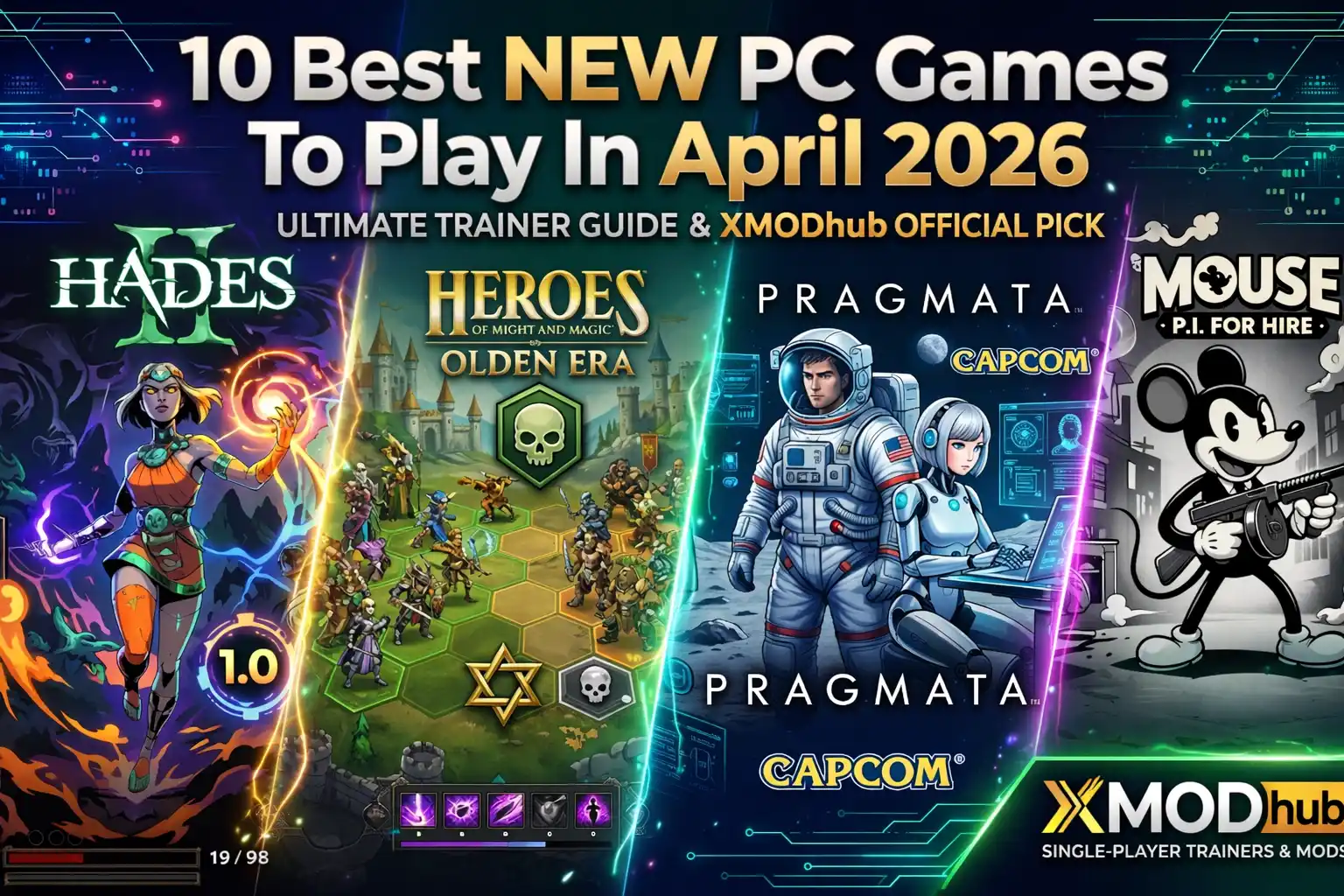



Best PC Games April 2026 Top 10 New Releases Game Mods Best PC Games April 2026 Top 10 New Releases Game Mods 1.webp. 60 Best PC Games Of 2026 Must Play Titles For Every Gamer Best Pc Games 1024x574 . What Are Strategies In Games And Why Do They Matter PC Games 2026 . TOP 27 BEST NEW Upcoming Games Of 2026 YouTube . TOP 10 BEST NEW Upcoming Games Of 2026 YouTube

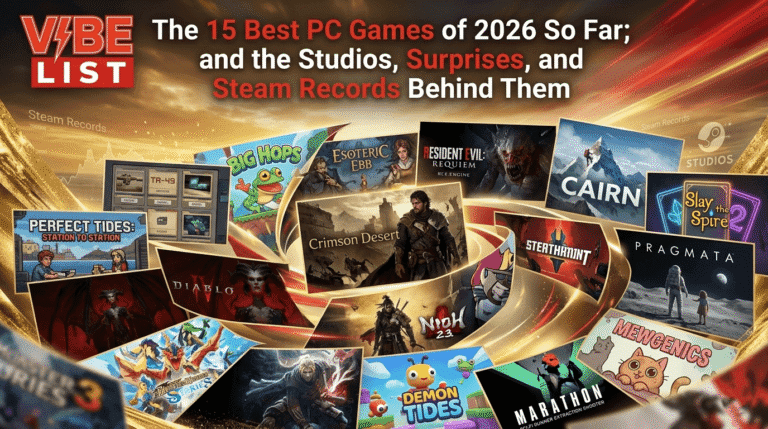

Buy Call Of Duty 2026 PC Call Of Duty 2026 Pc Game Cover . 5 Review Game Open World PC 2026 Dengan Grafis Paling Realistis Wajib Review Game Open World PC 2026 . Wccftech S Most Anticipated Multiplayer Games Of 2026 New Online Worlds Most Anticipated Multiplayer Games Of 2026 Scaled . 15 Best PC Games Of 2026 So Far Ranked Vibe List The 15 Best PC Games Of 2026 So Far And The Studios Surprises And Steam Records Behind Them 768x429 . The 94 Most Exciting Games Of 2026 Eurogamer Net 2026 Best



NEW UPCOMING GAMES 2026 Trailer Best New Game Trailers YouTube . 10 Beste PC Games Van 2026 Gaming Net Gaming.net 6 2 . The Most Anticipated PC Games Of 2026 TechSpot 2026 02 23 Image 2 . 2026 Game Releases Full Upcoming Games Calendar Release Dates PS5 Game Releases Full Calendar Release Dates Main . All Video Games Releasing In 2026 2026 Video Game Release Dates Post Feature Image



Best PC Games 2026 Discover The Ranking Of The 10 Most Popular Games Best Pc Games 2026.webp. Best Low Spec PC Games In 2026 Play On Any Hardware Best Low Spec Pc Games 2026 1 300x201 . Video Games 2026 Ones To Watch Part 1 Quest Daily 2026 Games Pt 1 . Ubisoft Posts Strong First Half Growth And Teases Major Creative Shake 4631581 . 10 Most Exciting Games Releasing In May 2026 Guide Most Exciting Games Releasing May 2026 1024x687