Choosing the right graphics card in 2026 can feel like a labyrinth, especially for adult gamers balancing life, work, and family. Are you wondering what graphics card should I get to boost your gaming experience without breaking the bank or dedicating hours to research? This comprehensive guide cuts through the hype, offering clear, actionable advice tailored for your busy lifestyle. We focus on value, performance optimization, and current trends to help you make an informed decision. Discover how to upgrade your rig efficiently, ensure smooth gameplay, and stay current with the latest titles, all while respecting your budget and limited gaming time. Get ready to game better, smarter, and with more satisfaction.
What is the absolute best graphics card to get right now for high-end gaming?
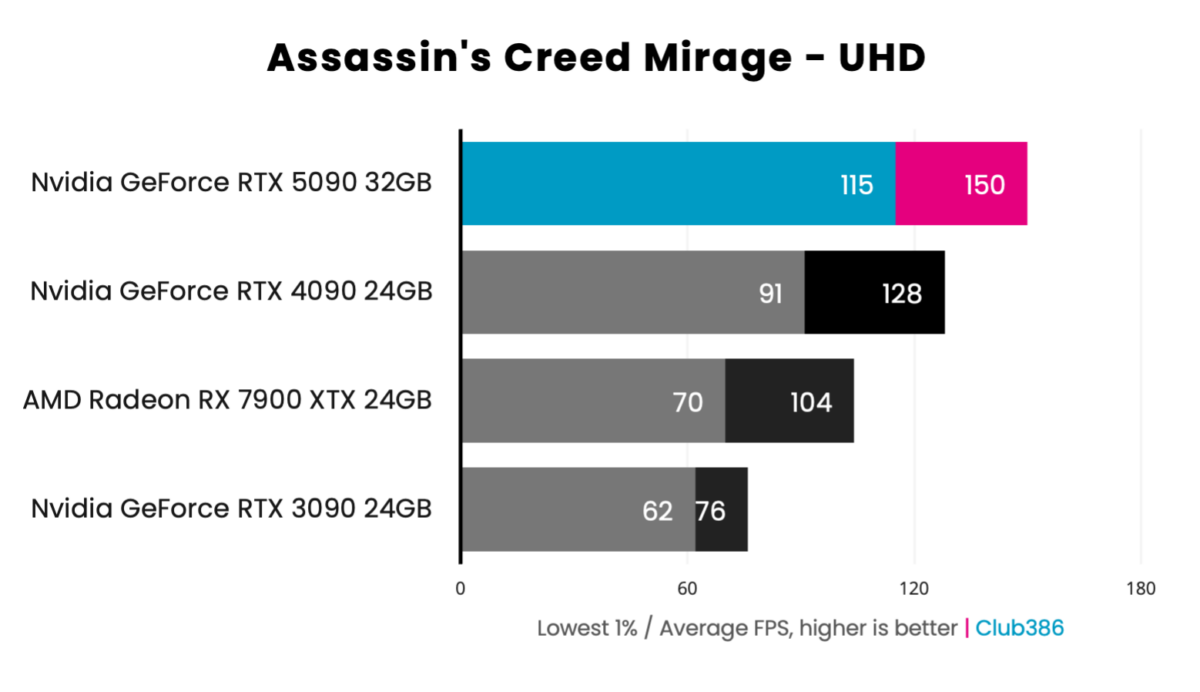
For unparalleled performance in 2026, especially for 4K resolution and high refresh rates with ray tracing, the top-tier NVIDIA GeForce RTX 5090 or AMD Radeon RX 9900 XT are currently leading the pack. These cards deliver exceptional power, allowing you to max out settings in the most demanding AAA titles. However, their premium performance comes with a significant price tag and high power consumption, making them best suited for enthusiasts with robust power supplies and cooling solutions.
How do I figure out my budget for a new graphics card?
Determining your budget involves more than just the card's price. Consider your overall PC budget, current system components, and how much you game. A good rule of thumb is to allocate 30-40% of your total PC build budget to the GPU. For an upgrade, evaluate if your CPU and power supply can handle a new, more powerful card without becoming a bottleneck or requiring further upgrades. Be realistic about what you can comfortably spend without impacting other life priorities.
What resolution will I be playing at and why does it matter for my GPU choice?
Your primary monitor's resolution (1080p, 1440p, 4K) is crucial because higher resolutions demand significantly more GPU horsepower. For 1080p gaming, a mid-range card like an RTX 4060 or RX 7600 might suffice. For crisp 1440p, aim for an RTX 4070 or RX 7800 XT. If you're chasing stunning 4K visuals, you'll need high-end cards like the RTX 4080 Super or RX 7900 XTX to maintain smooth frame rates, especially with demanding settings.
Should I buy an NVIDIA or AMD graphics card? What's the real difference?
Both NVIDIA and AMD offer excellent graphics cards, but they often excel in different areas. NVIDIA typically has a slight edge in ray tracing performance and offers DLSS (Deep Learning Super Sampling) for frame generation. AMD counters with competitive rasterization performance and FSR (FidelityFX Super Resolution), which is open-source and compatible with more cards. Your choice often comes down to specific game optimizations, preferred features, and current pricing for your performance target.
How important is VRAM (video memory) when deciding what graphics card should I get?
VRAM is increasingly important, especially for higher resolutions, detailed textures, and future-proofing. For 1080p gaming, 8GB of VRAM is generally sufficient. For 1440p, 12GB is becoming the sweet spot, while 16GB or more is highly recommended for 4K. Running out of VRAM can lead to stuttering and reduced performance, even if your GPU's core processing power is strong. It's wise to lean towards more VRAM if your budget allows.
Will a new graphics card fix all my game performance issues?
While a powerful new graphics card significantly boosts frame rates and visual quality, it's not a magic bullet for all performance issues. Your CPU, RAM, and even storage (SSD vs. HDD) play vital roles. A slow CPU might bottleneck a powerful GPU, preventing it from reaching its full potential. Ensure your entire system is balanced. Check for background processes, outdated drivers, or overheating components, as these can also negatively impact game performance.
What about future-proofing? How long will a new GPU last me?
True "future-proofing" is tough in the fast-paced tech world, but you can make smart choices. Aiming for a card slightly above your current needs for resolution and frame rate will extend its usable lifespan. For example, if you game at 1080p, buying a strong 1440p-capable card gives you headroom. Generally, a mid-range GPU might last 2-4 years comfortably, while high-end cards could last 4-6 years before significant compromises are needed. Prioritize VRAM and newer features like dedicated AI cores for longevity.
Are you a dedicated gamer navigating the adult world of responsibilities? Juggling work, family, and life while still trying to sneak in those precious gaming hours? You’re not alone. The average US gamer, around 36 years old, often finds themselves balancing epic raids with grocery runs, and late-night gaming sessions with early morning meetings. With 87% of US gamers playing regularly, often dedicating 10+ hours a week, the desire for an optimized, smooth, and genuinely fun gaming experience is stronger than ever. But here's the perennial question that haunts every PC enthusiast: "what graphics card should I get?"
Upgrading your gaming rig can feel overwhelming. The market is flooded with new models, confusing benchmarks, and a constant stream of tech jargon. You want to relax and enjoy your games, not spend hours deciphering specs or troubleshooting performance hiccups. Perhaps your current card is struggling with the latest AAA titles, leading to frustrating frame drops when you just want to unwind. Maybe you’re on a budget, trying to get the most bang for your buck, or you simply want to ensure your system can handle the social gaming sessions on Discord with your friends. This guide is built for you. We’ll cut through the noise, providing practical, actionable advice on choosing the perfect graphics card in 2026 that aligns with your gaming habits, budget, and precious free time. Let's get your rig running smoothly so you can focus on what truly matters: having fun and dominating the leaderboards.
What Graphics Card Should I Get First Consider Your Gaming Goals and Budget?
Before diving into specific models, take a moment to honestly assess your gaming habits and financial reality. Do you primarily play competitive esports titles at 1080p, where high frame rates are paramount? Or are you a fan of graphically intensive single-player adventures, preferring stunning visuals at 1440p or even 4K, even if it means slightly lower frame rates? Understanding your primary gaming resolution and preferred game genres is the foundation of a smart GPU purchase. For instance, a dedicated player of Valorant or League of Legends might not need a top-tier 4K card, whereas a Cyberpunk 2077 enthusiast will notice a huge difference with higher-end hardware. Remember, your budget isn't just about the GPU itself; it also needs to account for potential power supply upgrades or even a new CPU if your current one will bottleneck your new card.
Most adult gamers prioritize value for money and performance optimization that doesn't demand constant tweaking. Consider what you truly need versus what the marketing hype tells you to want. This month’s trends show a significant interest in mid-range cards that offer excellent 1440p performance without the premium price tag of flagship models. Setting a realistic budget from the start will narrow down your options considerably and prevent overspending on features you might not fully utilize. Think of it as investing in your relaxation and enjoyment, rather than just raw horsepower.
How Does Resolution Impact My Graphics Card Choice?
The resolution of your monitor is perhaps the most critical factor in deciding what graphics card should I get. It dictates how many pixels your GPU has to render, and rendering more pixels requires significantly more processing power. For many gamers, 1080p (Full HD) remains the standard, especially for high-refresh-rate competitive gaming. If you’re playing at 1080p, you generally won't need a top-tier, expensive GPU to achieve excellent frame rates, even in modern titles. Mid-range cards like NVIDIA's GeForce RTX 4060 or AMD's Radeon RX 7600 often provide fantastic performance at this resolution, letting you enjoy stunning visuals and smooth gameplay without emptying your wallet.
Stepping up to 1440p (Quad HD) offers a noticeable jump in visual clarity and is becoming increasingly popular among PC gamers who want a sharper image without the extreme demands of 4K. For 1440p, you'll want to aim for something more powerful, like an NVIDIA GeForce RTX 4070 or AMD Radeon RX 7800 XT, to ensure stable frame rates in demanding games. These cards strike a great balance between performance and cost. If you're targeting the ultimate visual fidelity with 4K resolution, prepare for a significant investment. You'll be looking at high-end cards such as the NVIDIA GeForce RTX 5080/5090 (or 4080 Super/4090 from the previous generation) or AMD's Radeon RX 9900 XT (or 7900 XTX). These cards are built to handle the immense pixel count of 4K, often incorporating advanced technologies like DLSS or FSR to boost performance further.
NVIDIA vs AMD: Which Graphics Card Brand is Right for Me?
The age-old debate between NVIDIA and AMD continues in 2026, and both companies offer compelling reasons to choose their products. Your decision often comes down to specific features, game optimizations, and, crucially, current pricing. NVIDIA typically holds an advantage in raw ray tracing performance, a technology that delivers incredibly realistic lighting and reflections in supported games. Their DLSS (Deep Learning Super Sampling) technology, which uses AI to upscale lower-resolution images, is also highly effective at boosting frame rates without a significant visual quality loss. For those who prioritize these cutting-edge visual technologies and have the budget, NVIDIA's RTX series often feels like the premium choice.
AMD, on the other hand, often provides very competitive rasterization performance (traditional rendering) at slightly more aggressive price points. Their FidelityFX Super Resolution (FSR) is an open-source upscaling technology that works on a wider range of GPUs, including older cards and even NVIDIA hardware, making it very accessible. AMD has also made strides in power efficiency and offers excellent performance-per-dollar, particularly in the mid-to-high range. If you're a gamer who enjoys exploring new titles with friends in social co-op games or catching esports streams, AMD's value proposition can be incredibly appealing. Both brands now also have strong software ecosystems for drivers and optimization tools, so reliability isn't a major differentiator anymore.
How Much VRAM (Video Memory) Do I Really Need in 2026?
VRAM, or video memory, is a critical component that stores game textures, models, and other graphical data. As games become more visually complex and resolutions increase, the demand for VRAM grows. In 2026, 8GB of VRAM is generally the minimum recommended for comfortable 1080p gaming in modern titles, though some new releases can push this limit. For a smoother experience and better future-proofing at 1080p, or for solid 1440p gaming, aiming for 12GB of VRAM is a smart move. Many popular cards in the mid-to-high range, like the RTX 4070 Super or RX 7800 XT, now come with 12GB or 16GB, reflecting this trend.
If you're planning to game at 4K, or if you regularly play heavily modded games or use demanding applications beyond gaming, then 16GB or even 24GB of VRAM is highly advisable. Running out of VRAM can cause severe performance issues, including stuttering and texture pop-in, even on an otherwise powerful GPU. Think of VRAM as a dedicated workspace for your graphics card; more space means it can handle larger, more complex tasks without needing to constantly shuffle data, leading to a much smoother and more enjoyable experience. It's often better to slightly over-provision your VRAM than to find yourself bottlenecked by it a year or two down the line.
What About My CPU, Motherboard, and Power Supply Unit (PSU) Compatibility?
A new graphics card is rarely a standalone upgrade. It's part of a larger ecosystem within your PC, and compatibility is key to unlocking its full potential and avoiding costly mistakes or frustrating performance issues. Firstly, your CPU (Central Processing Unit) must be powerful enough to keep up with your new GPU. A powerful graphics card paired with an older, slower CPU will result in a "bottleneck," where the CPU can't feed data to the GPU fast enough, leaving the graphics card underutilized. For example, pairing an RTX 4080 with an Intel i5-8600K would likely lead to a CPU bottleneck in many modern games. Aim for a relatively modern CPU (e.g., Intel 12th gen or newer, AMD Ryzen 5000 series or newer) to ensure a balanced system.
Your motherboard needs to have a compatible PCIe slot (typically PCIe x16, ideally version 4.0 or 5.0 for newer cards, though 3.0 is usually backwards compatible) and enough physical space to accommodate the card. Modern GPUs can be quite large, so check your case dimensions. Finally, and crucially, your Power Supply Unit (PSU) must have enough wattage and the correct power connectors to safely and stably run your new graphics card. High-end GPUs can demand a lot of power. Always check the manufacturer's recommended PSU wattage for your chosen card and ensure your PSU meets or exceeds it, with some headroom for stability. For instance, a high-end RTX 4080 or RX 7900 XTX might require a 750W-850W PSU or more. Skimping on the PSU can lead to system instability, crashes, or even hardware damage.
Should I Wait for New Graphics Card Releases or Buy Now?
This is a common dilemma for gamers. The tech world moves fast, and there's always "something new" just around the corner. While it's true that new generations of GPUs are released periodically, constantly waiting for the next big thing can lead to perpetual indecision, preventing you from enjoying your games today. This month's data suggests that for many gamers, especially those balancing life and gaming, getting a solid upgrade now to improve their current experience is more valuable than waiting indefinitely for marginal performance gains or slight price drops.
However, if a new generation launch is officially confirmed to be just a few weeks or a couple of months away (e.g., a major tech event like Computex or CES usually has rumors and announcements), it might be worth pausing. New releases often bring significant performance improvements, better power efficiency, or new features. They also typically cause prices of the previous generation to drop, offering great value for money. For example, the upcoming NVIDIA 50-series or AMD 9000-series might shift the market. The best strategy is to buy when you need an upgrade and when a card meets your performance and budget requirements, rather than chasing the absolute bleeding edge indefinitely. If your current card is struggling and negatively impacting your gaming enjoyment, an upgrade now is probably the right call.
How Can I Maximize Performance on a Budget?
Getting great gaming performance doesn't always require buying the most expensive hardware. Smart choices and optimization can go a long way, especially for budget-conscious gamers who need to balance gaming with other life expenses. First, research the used market. Older generation flagship cards can offer incredible value, often outperforming new mid-range cards at a similar price point. Just ensure you buy from a reputable seller and test the card thoroughly.
Second, don't underestimate in-game settings. Reducing shadows, volumetric clouds, or anti-aliasing can significantly boost frame rates with minimal visual impact. Leveraging upscaling technologies like NVIDIA's DLSS or AMD's FSR, if supported by your card and game, can provide a massive performance uplift. Many modern games now integrate these technologies beautifully. Third, ensure your drivers are always up-to-date; both NVIDIA and AMD regularly release performance-enhancing updates. Finally, consider system maintenance: keep your PC clean, manage background processes, and ensure adequate cooling to prevent thermal throttling. These small steps can collectively provide a substantial boost to your gaming experience without requiring a new hardware purchase.
What About Integrated Graphics for Casual Gaming?
For many adult gamers, especially those who primarily engage in social gaming, cozy games, or older titles, the integrated graphics found in modern CPUs (like Intel's Core iGPUs or AMD's Radeon Graphics in their APUs) have become surprisingly capable. While they won't compete with a dedicated graphics card for high-end AAA gaming, they are perfectly sufficient for 1080p gaming at lower settings in titles like Minecraft, Valorant, Among Us, or even some free-to-play MMOs. This can be a fantastic budget-friendly option for someone just getting into PC gaming or who has limited time for intense sessions. It also eliminates the need for a separate GPU purchase, saving both money and power. Many casual gamers or those who prioritize mobile gaming with cross-play functionality will find integrated graphics meet their needs for the occasional PC session. It allows for flexibility and keeps costs down, which is a major win for balancing life and hobbies.
Congratulations, you’re now equipped with the knowledge to make an informed decision on what graphics card should I get! Remember, the best graphics card isn't necessarily the most expensive one; it's the one that best fits your gaming style, budget, and system. Finding that sweet spot between performance and value will ensure countless hours of enjoyable, stress-free gaming. As US gamers continue to integrate gaming into their busy lives, making smart hardware choices becomes even more crucial for maintaining that precious balance. Stay current with trends, but always prioritize what makes your gaming experience great.
What's your biggest gaming challenge with your current setup? Comment below!
FAQ: What Graphics Card Should I Get - Quick Answers
Is an expensive graphics card always better? No, not necessarily. An expensive card provides top-tier performance, but the "best" card for you is one that meets your specific gaming resolution, frame rate targets, and budget without overspending on features you don't need. Value for money is key for many gamers.
Can I install an AMD card if I currently have an NVIDIA one (or vice-versa)? Yes, absolutely. You can switch between AMD and NVIDIA cards. Just remember to completely uninstall old drivers using a tool like DDU (Display Driver Uninstaller) before installing the new card and its drivers to prevent software conflicts.
How often should I upgrade my graphics card? For most gamers, upgrading every 2-4 years strikes a good balance between performance and cost. High-end cards might last longer, while budget cards might need more frequent upgrades if you want to keep up with new titles. It largely depends on your evolving performance expectations.
What are DLSS and FSR, and do I need them? DLSS (NVIDIA) and FSR (AMD) are upscaling technologies that use AI or algorithms to render games at a lower resolution and then intelligently upscale them to your monitor's native resolution, boosting frame rates significantly. They are highly beneficial for achieving smoother performance, especially at 1440p and 4K, and are becoming standard in modern games.
Do I need a 4K monitor to get a 4K graphics card? While a 4K monitor allows you to experience native 4K resolution, you can still buy a powerful 4K-capable graphics card even with a 1440p or 1080p monitor. This gives you extra headroom for higher frame rates and future monitor upgrades, or for downsampling which improves image quality.
How do I know if my CPU is bottlenecking my GPU? You can check for a CPU bottleneck using monitoring software like MSI Afterburner or HWMonitor. If your GPU utilization is consistently low (e.g., 60-70%) while your CPU utilization is very high (e.g., 90-100%) during gaming, it's a strong indicator that your CPU is holding back your graphics card.
Is it worth buying a used graphics card? Buying a used graphics card can offer excellent value, especially for older flagship models that still perform well. Exercise caution: buy from reputable sellers, check reviews, ask for benchmarks or videos of the card running, and ensure it comes with a return policy if possible. Inspect for physical damage and signs of heavy mining use.
Understand your budget and gaming resolution needs. Prioritize performance for preferred game types. Consider future proofing and power efficiency. Evaluate current generation GPUs from NVIDIA and AMD. Look for value in the mid-range for balanced play. Don't forget CPU motherboard and PSU compatibility. Optimize settings for best results without constant upgrades.
35
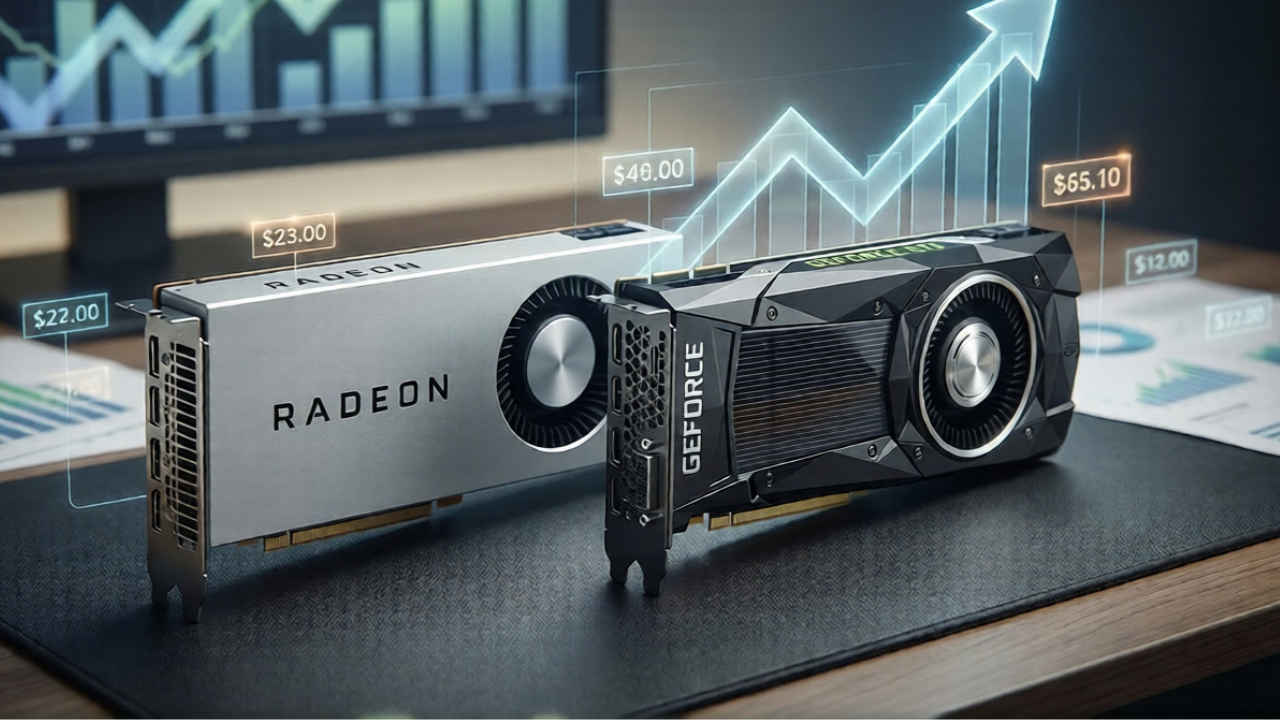
15 Best RTX Graphics Cards Of 2026 For Premium Gaming And Creativity Top Rtx Graphics Cards 2026 Yzw86 800x450 . 2026 GPU Prices Going Up Best Graphics Card To Buy Now Best GPU . Best Graphics Card 2026 Top GPUs For Gaming AI Value Best Graphics Card 2026 . 13 Best GPUs For Gaming 2026 Top Graphics Cards Ranked Banner 5.webp. 2026 GPU Price Rise AMD NVIDIA Graphics Card To Get More Expensive Gpu Price Rise 2026 Amd Nvidia


Best Graphics Cards To Buy At Every Budget In 2026 NoobFeed Rx 9060 Xt . Top 5 Best Graphics Cards In 2026 For 4K Gaming Performance NoobFeed Radeon Rx 9060 . How To Choose The Right Graphics Card 2026 Expert Guide Featured Image P9ixjmz0 300x210 . 13 Best GPUs For Gaming 2026 Top Graphics Cards Ranked Blog Banners 1 1 Scaled.webp. NVIDIA Graphics Cards A Complete Guide To Performance Rankings And Top Budget Nvidia Graphics Cards For 2026 Best Performance For Your Money

Best PC Builds For Gaming 2026 From 500 Budgets To 4 000 Tom S . 8 Best Graphics Cards Under 100 March 2026 Tested Featured Image Kwdsj Np 300x210 . The Best Graphics Cards For Gaming In 2026 Blank Best GPUs 2025 UK Blog Feature Image Main TextTwitter 1 . 15 Best Graphics Cards 2026 Tested For Gaming Performance Featured Image Utvs9ctp 300x210 . Which GPU Should You Buy In 2026 Practical Guide For Gaming Which GPU Should You Buy In 2026 600x338


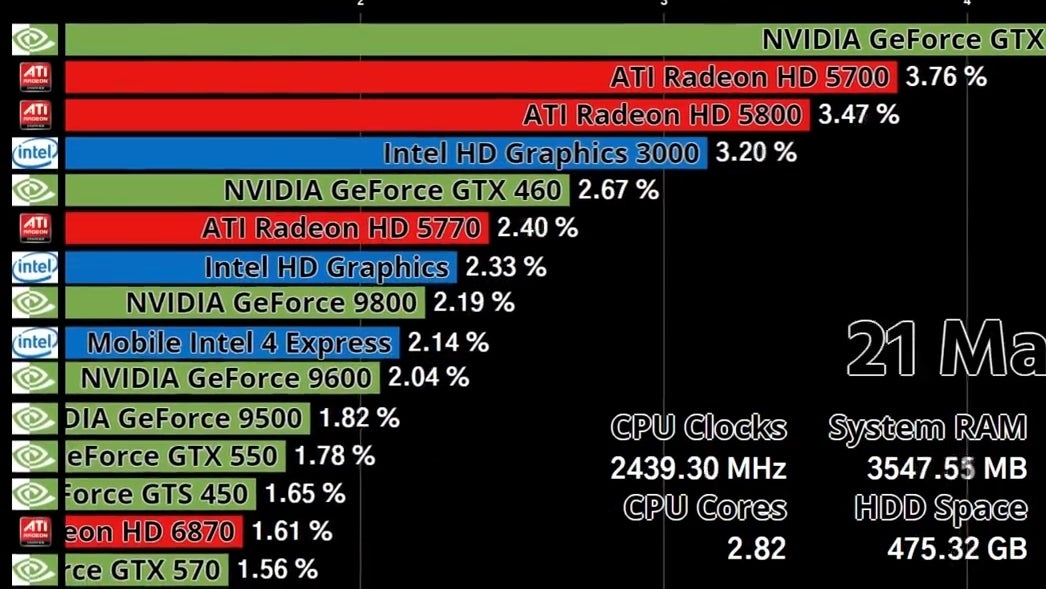

TOP 5 Best Budget Graphics Cards 2026 The 300 Graphics Card That . The Best Graphics Cards For Gaming In 2026 Best GPUs Of 2025 Blog Feature Image Facebook Text . Graphics Card Comparison Chart 2025 ICPP New Video Shows The Rise And Fall Of Amd Intel And Nvidia Graphics Cards . Best Graphics Cards In 2026 I Ve Tested Pretty Much Every AMD And 500 80 . Top 5 Best Gaming Graphics Cards In 2026 Ultimate GPU Guide YouTube


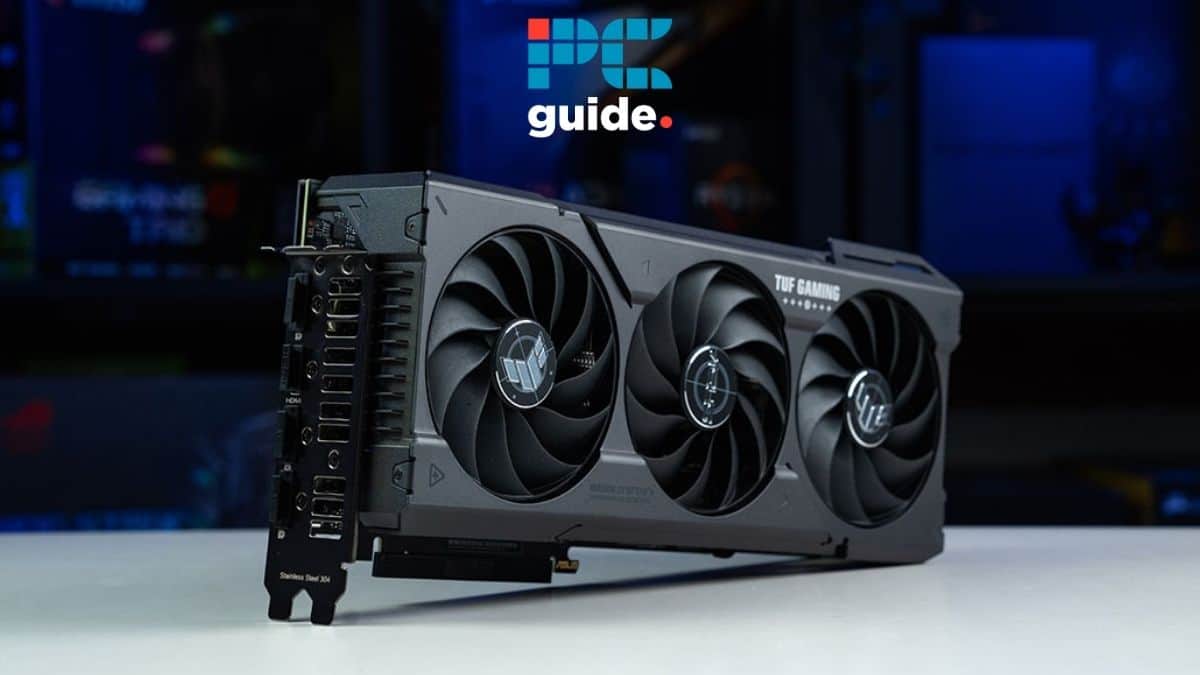

The Best Graphics Cards We Ve Tested For 2026 PCMag 1.fit Lim.size . Best Graphics Cards For Gaming In On 2026 You Can Buy Right Now . Best RTX 2080 Graphics Cards In 2026 Our Top Choices PC Guide Best GPU For 1440p 144Hz . Best NVIDIA Graphics Cards For LLM 2026 Reviews Guide B0F4Y6N6PW Customer 1 4 1536x864 . 12 Best Value Graphics Cards 2026 GPUs Tested For Price Performance B0F4RVFBW7 Customer 1 8 1024x768


Best Graphics Cards GPUs Affordable 2026 Top 12 Budget GPUs Tested B08WPRMVWB Customer 2 300x225 . Top 5 Graphics Cards For 2026 Technipages Top Graphics Cards 3 . Best GPU 2026 Nvidia And AMD Graphics Cards Tested Club386 Assassins Creed Mirage Uhd 1200x692 . Top 5 Graphics Cards For 2026 Technipages Top Graphics Cards 4 500x271 . 13 Best GPUs For Gaming 2026 Top Graphics Cards Ranked Banner 11.webp


Best Graphics Cards Of 2025 What To Expect In 2026 NoobFeed Rtx 5060ti . PowerColor Warns Of 2026 GPU Price Hike Urges Buyers To Upgrade Before AMD RADEON PRICE HIKE 2026 POWERCOLOR . Best Graphics Cards For Ryzen 2026 10 GPUs Tested B0FG2NYY38 Customer 1 1 768x576 . The Best Graphics Cards We Ve Tested For 2026 PCMag 1.fit Lim.size . The Best Graphics Cards We Ve Tested For 2026 PCMag 5 Hero Image Gallery.fit Lim.size