Ever gazed at those stunning gaming setups online and wished your battle station had that same visual flair and performance punch? You are not alone. Many US gamers, balancing work, family, and life, want a PC that not only dominates in game but also looks incredible, reflecting their personal style without breaking the bank or taking up all their precious free time building it. This comprehensive guide on an aesthetic gaming PC will navigate you through everything from component selection to RGB lighting synchronization and cable management, ensuring your setup is both a powerhouse and a masterpiece. Discover how to create a gaming environment that enhances relaxation, promotes social play, and keeps you immersed, all while optimizing performance and value. We address common pain points like tricky setups, performance woes, and finding budget-friendly upgrades, helping you craft the ultimate aesthetic gaming PC for your busy lifestyle.
What defines an aesthetic gaming PC?
An aesthetic gaming PC transcends mere performance; it embodies a cohesive visual theme, deliberate component choices, and meticulous attention to detail. This includes coordinated RGB lighting, clean cable management, themed color schemes, and often, unique custom elements like custom liquid cooling or artistic case mods. The goal is a setup that is not only powerful but also visually stunning and reflects the owner's personal style, creating an immersive and enjoyable gaming environment.
How much should I budget for an aesthetic gaming PC build?
Budgeting for an aesthetic gaming PC is highly flexible, ranging from 800 for a stylish entry-level build to 3000 plus for high-end systems with custom loops and premium components. A realistic budget for a balanced aesthetic and performance PC often falls between 1200 and 1800. Prioritize core components like GPU and CPU, then allocate funds for aesthetic elements like a good case, RGB fans, and cable extensions. Remember, many aesthetic upgrades can be added incrementally.
Which PC components impact aesthetics the most?
Beyond raw power, several components significantly contribute to a PC's aesthetic appeal. The PC case is paramount, acting as the canvas. RGB fans, LED strips, and CPU coolers with addressable RGB provide dynamic lighting. Motherboards with integrated RGB and sleek heatsinks, RAM modules with tasteful lighting, and custom PSU cable extensions are also crucial. Finally, a GPU with an attractive shroud or a vertical mount can become the centerpiece of your aesthetic build.
What are the latest trends in aesthetic PC builds for 2026?
In 2026, popular aesthetic PC trends include minimalist monochromatic builds (think all-white or all-black), retro-inspired setups reminiscent of 90s tech, and natural themes incorporating wood or subtle plant elements. Subtle, diffused RGB lighting is often preferred over overly bright, chaotic displays. Compact form factor builds that save space while maintaining powerful performance are also highly sought after, reflecting a desire for both style and practicality.
How can I manage cables for a truly clean aesthetic?
Effective cable management is key to a polished aesthetic PC. Start by using a case with ample cable routing channels and tie-down points. Modular power supplies are essential for reducing clutter. Utilize Velcro straps, zip ties, and cable combs to bundle cables neatly behind the motherboard tray. Custom braided cable extensions, specifically colored to match your theme, can elevate the look of visible cables, transforming them from eyesores into design elements.
Is custom liquid cooling worth it for an aesthetic build?
Custom liquid cooling offers unparalleled aesthetic potential and superior thermal performance, but it comes with a higher cost and complexity. While AIO (All-in-One) liquid coolers offer a simpler, more affordable entry into liquid cooling, a full custom loop allows for unique tubing runs, colored coolants, and striking reservoirs, turning your PC's internals into a work of art. For a truly premium and unique aesthetic, custom liquid cooling is definitely worth considering if your budget allows and you enjoy the building process.
Can I achieve an aesthetic gaming PC without RGB?
Absolutely. While RGB lighting is a prominent feature in many aesthetic builds, it is by no means a requirement. Many stunning aesthetic PCs embrace a minimalist or monochromatic design, focusing on clean lines, premium materials, and subtle textures. Matte finishes, carefully selected hardware colors (e.g., all black, all white, or brushed aluminum), and strategic placement of components can create a sophisticated and powerful visual impact without a single LED light. It's about personal preference and cohesive design.
Remember when gaming setups were just about raw power? Today, it is about the entire experience. US gamers, with an average age of 36, often juggle jobs, family, and life commitments, yet 87% regularly game, averaging over 10 hours a week. We want a space that is both a high-performance battle station and a serene escape. An aesthetic gaming PC isn't just about flashy lights; it is about crafting a personalized sanctuary that enhances your relaxation, fosters social connections through games like Palworld or Helldivers 2, and delivers top-tier performance without the hype. This guide will help you navigate the nuances of building a truly aesthetic gaming PC, addressing common pain points like complex setups, budget constraints, and balancing your passion with your busy life.
Many gamers find themselves overwhelmed by the sheer volume of choices and the fear of making a costly mistake. Our aim is to demystify the process, offering practical solutions that ensure your aesthetic gaming PC is not only visually stunning but also a reliable, efficient workhorse that fits seamlessly into your lifestyle. By focusing on smart component choices, clever design tricks, and budget-friendly upgrades, you can achieve that dream setup without sacrificing precious time or hard-earned money.
What Exactly Defines an Aesthetic Gaming PC?
An aesthetic gaming PC is more than just a computer; it is a carefully curated piece of art designed to complement your personal style and enhance your gaming environment. It transcends raw specifications by integrating visual harmony, intentional color schemes, and meticulous attention to detail. This includes everything from synchronized RGB lighting and pristine cable management to unique case mods or custom liquid cooling loops. The goal is a cohesive look that creates an immersive experience, whether you are unwinding after a long day or diving into a competitive match. It is about personal expression as much as it is about performance.
Unlike generic builds, an aesthetic PC tells a story. It reflects your personality, chosen through deliberate component choices and thoughtful arrangement. For the busy gamer, this means a setup that is not only a joy to use but also a pleasure to behold, transforming your gaming corner into a true sanctuary. This trend aligns with the broader movement of personalizing our digital spaces, recognizing that our gaming setups are extensions of ourselves.
How Do I Plan My Aesthetic PC Build on a Budget?
Building an aesthetic gaming PC doesn't have to drain your wallet. The key is smart planning and prioritizing. Start by setting a realistic total budget, then allocate the majority (around 60-70%) to core performance components like the GPU and CPU. The remaining budget can then be dedicated to aesthetic enhancements. Remember, many visual upgrades can be done incrementally over time.
Here are some budget-friendly strategies:
- Prioritize a visually appealing case: Look for cases with good airflow, tempered glass panels, and excellent cable management features, often found in mid-range options.
- Modular power supply: While slightly more expensive upfront, a modular PSU drastically simplifies cable management, saving you time and frustration, and making your build much cleaner.
- RGB fans: Instead of elaborate liquid cooling, quality RGB fans can provide excellent cooling and dynamic lighting at a fraction of the cost.
- Cable extensions: Custom braided cable extensions are cheaper than full custom cables and instantly elevate the look of visible PSU connections.
- DIY touches: Consider painting internal components or adding vinyl wraps for unique accents.
By making intelligent choices, you can achieve a stunning aesthetic gaming PC that performs well without overspending. Focus on value for money and where your aesthetic dollars will have the biggest impact.
Which Components Are Crucial for Both Looks and Performance?
When building an aesthetic gaming PC, every component plays a dual role: delivering performance and contributing to the overall visual appeal. Balancing these two aspects is vital for a successful build.
Here is a breakdown of key components:
- PC Case: This is your canvas. Choose one that supports your desired form factor, has good airflow, excellent cable management features, and a tempered glass side panel to showcase your internals. Brands like Lian Li, NZXT, and Corsair offer many aesthetically pleasing options.
- Graphics Card (GPU): Often the largest and most visible component. Look for GPUs with attractive shrouds, custom backplates, and integrated RGB. A vertical GPU mount can further highlight its design. Performance is paramount here, but don't ignore its visual presence.
- CPU Cooler: Both air coolers and AIO (All-in-One) liquid coolers come in aesthetically pleasing designs. AIOs often feature RGB pumps and fans, with some even offering LCD screens for custom GIFs. High-end air coolers also have sleek designs and quiet operation.
- Motherboard: Look for motherboards with integrated RGB, stylish heatsinks, and a clean PCB design. Matching the motherboard's color scheme with your overall theme is crucial.
- RAM Modules: RGB RAM sticks are extremely popular and add vibrant, synchronized lighting. Ensure they are compatible with your motherboard's RGB software for seamless integration.
- Storage (SSD/NVMe): While less visible, NVMe drives with custom heatsinks can add a subtle touch. For SATA SSDs, ensure cables are neatly managed.
Each component choice contributes to the final masterpiece, blending top-tier gaming performance with an undeniable visual charm.
What Are the Best Ways to Incorporate RGB Lighting Effectively?
RGB lighting, when done right, can transform your aesthetic gaming PC into a dynamic, immersive experience. However, chaotic or excessive RGB can quickly become tacky. The goal is effective, synchronized, and tasteful lighting.
Key strategies for effective RGB:
- Synchronization: Use a unified software ecosystem (e.g., Corsair iCUE, Razer Synapse, ASUS Aura Sync, Gigabyte RGB Fusion) to control all your RGB components. This ensures colors and effects are harmonized across your fans, RAM, motherboard, GPU, and peripherals.
- Strategic Placement: Focus RGB where it enhances the build: case fans, RAM, CPU cooler, and accent strips. Avoid over-saturating every corner with light.
- Themed Lighting: Choose color schemes that match your overall aesthetic. For a minimalist look, use white or single-color static lighting. For vibrant themes, experiment with subtle pulsing or wave effects.
- Diffused Lighting: Consider light diffusers or frosted RGB components to create a softer, more professional glow rather than harsh individual LED points.
- Responsive Lighting: Some RGB software allows lighting to react to in-game events, music, or system temperatures, adding an extra layer of immersion and functionality.
Remember, less can often be more. A few well-placed and synchronized RGB elements will always look better than a jumbled mess of clashing colors.
How Can I Achieve Clean Cable Management for a Sleek Look?
Cable management is arguably the most critical aspect of an aesthetic gaming PC. Poor cable routing can ruin even the most expensive build. For busy gamers, this often feels like a daunting task, but with a few tricks, it becomes much more manageable.
Follow these steps for pristine cable management:
- Choose the Right Case: Select a case with a dedicated PSU shroud, ample space behind the motherboard tray, and numerous tie-down points and cable routing grommets.
- Modular Power Supply (PSU): This is a game-changer. Only plug in the cables you need, reducing clutter significantly.
- Plan Your Routes: Before installing components, mentally map out where each cable will go. Route primary cables (24-pin, 8-pin CPU, GPU power) first.
- Utilize Tie-Downs: Use Velcro straps, zip ties, or cable combs to bundle cables neatly. Velcro is great for flexibility during future upgrades.
- Cable Extensions: Custom braided cable extensions (24-pin, 8-pin CPU, PCIe) in matching colors can transform messy stock cables into a sleek, professional look for visible connections.
- Hide the Excess: Coil and secure any excess cable length behind the motherboard tray or inside the PSU shroud, away from airflow paths.
Investing time in proper cable management not only improves aesthetics but also enhances airflow and makes future upgrades much easier. For US gamers always seeking efficiency, this step pays dividends.
Are There Specific Themes or Styles Popular for Aesthetic PCs in 2026?
The world of aesthetic gaming PCs is constantly evolving, with several exciting themes gaining traction in 2026. For gamers who appreciate a refined look without excessive flair, these trends offer plenty of inspiration.
Popular aesthetic themes include:
- Minimalist Monochromatic: All-white or all-black builds remain evergreen. These focus on clean lines, subtle textures, and often, diffused white or single-color lighting. They exude sophistication and timeless elegance.
- Natural & Biophilic: Incorporating elements like real wood accents, moss-covered panels, or subtle plant-inspired designs. This theme creates a calm, organic contrast to the tech, perfect for a relaxing gaming space.
- Retro-Futurism / Cyberpunk: Inspired by 80s sci-fi and modern dystopias, these builds often feature neon accents, exposed circuitry (tastefully done), and industrial textures. Think Blade Runner meets gaming PC.
- Compact Form Factor (SFF): Small form factor PCs are incredibly popular, offering powerful performance in tiny, visually striking packages. These emphasize efficient design and clever use of space.
- Subtle RGB Integration: Moving away from rainbow explosions, current trends favor integrated RGB that complements the build's color scheme, often used as accent lighting rather than the main focus.
These themes cater to diverse tastes, ensuring every gamer can find a style that resonates with their personality and gaming habits, reflecting current trends where personalization and unique expression are highly valued.
What Peripherals Complement an Aesthetic Gaming PC Setup?
An aesthetic gaming PC isn't complete without peripherals that match its style and performance. Your monitor, keyboard, mouse, and headset are crucial extensions of your setup, impacting both your visual experience and gameplay.
Consider these complementary peripherals:
- Monitor: Choose a monitor with a slim bezel and a stand that matches your PC's color scheme. Curved monitors or ultrawides can enhance immersion, while high refresh rates (144Hz+) are essential for competitive play. Brands like Samsung, LG, and Alienware offer excellent options.
- Keyboard: Mechanical keyboards with custom keycaps and RGB lighting that syncs with your PC are highly sought after. Look for color-matched keycaps, or even custom coiled cables for a truly unique look.
- Mouse: A lightweight, ergonomic gaming mouse with customizable RGB and a sensor that provides precise tracking is key. Many brands offer mice that seamlessly integrate with popular RGB ecosystems.
- Headset: A comfortable, high-quality gaming headset, preferably wireless to reduce cable clutter, is essential. Look for designs that match your aesthetic, perhaps with subtle RGB accents or a sleek, minimalist build.
- Desk Mat: A large, aesthetically pleasing desk mat can tie your entire setup together, providing a comfortable surface for your mouse and keyboard while adding a splash of color or design.
For US gamers who value both performance and presentation, carefully selected peripherals complete the immersive experience, making every interaction with your aesthetic gaming PC enjoyable.
How Do I Maintain My Aesthetic PC for Longevity and Peak Performance?
Maintaining your aesthetic gaming PC is crucial not only for its longevity and performance but also for preserving its pristine look. A well-maintained PC performs better and stays visually appealing for longer, saving you potential headaches and costs down the line.
Here are essential maintenance tips:
- Regular Cleaning: Dust is the enemy of aesthetics and performance. Use compressed air to blow out dust from fans, heatsinks, and vents every 1-3 months. Wipe down exterior surfaces and glass panels with a microfiber cloth.
- Software Updates: Keep your operating system, GPU drivers, and RGB software up-to-date. This ensures optimal performance, security, and proper synchronization of your aesthetic lighting.
- Thermal Monitoring: Use software like HWMonitor or MSI Afterburner to keep an eye on CPU and GPU temperatures. High temps can indicate dust buildup or inefficient cooling, which affects performance.
- Cable Re-adjustment: Periodically check your cable management. Over time, cables can shift. Re-securing them ensures airflow remains unrestricted and the aesthetic remains clean.
- Component Health Check: Regularly check storage drive health and run memory diagnostics. Early detection of potential issues can prevent data loss or performance degradation.
For busy gamers, scheduling a monthly quick clean and a quarterly deep clean can significantly extend the life and maintain the beauty of their aesthetic gaming PC, ensuring it is always ready for action.
Can an Aesthetic PC Still Be Practical for Daily Tasks and Work?
Absolutely. An aesthetic gaming PC is not just for gaming; it can be an incredibly practical and powerful tool for daily tasks, work, and creative endeavors. In fact, a well-built aesthetic PC often offers superior performance and a more enjoyable user experience for everything you do.
Here is why an aesthetic PC is practical:
- High Performance: The powerful components chosen for gaming (fast CPUs, ample RAM, robust GPUs) excel in productivity tasks like video editing, graphic design, programming, and running multiple applications simultaneously.
- Ergonomics & Comfort: A thoughtfully designed aesthetic setup often includes an ergonomic chair, a spacious desk, and well-placed peripherals, which benefit long hours of work just as much as gaming.
- Relaxing Environment: A visually pleasing workspace can reduce stress and increase focus. A clean, aesthetic PC contributes to a calm and inspiring environment, which is highly valuable for busy professionals.
- Multi-Monitor Support: Gaming setups often feature multiple monitors, which is a huge productivity boost for multitasking, coding, or managing complex projects.
- Reliability: High-quality components and good cable management contribute to better airflow and cooler operation, leading to a more stable and reliable system for both work and play.
For the average 36-year-old gamer who balances work and life, an aesthetic gaming PC is a versatile investment that enhances both their leisure time and their professional productivity.
Where Can I Find Inspiration and Community for My Aesthetic Build?
The gaming community is a fantastic resource for inspiration, advice, and connecting with fellow enthusiasts. For your aesthetic gaming PC build, tapping into this vibrant network can spark creativity and provide solutions to common challenges.
Great sources for inspiration and community include:
- Online Forums & Subreddits: Subreddits like r/battlestations, r/sffpc, and r/pcmasterrace are goldmines for visual inspiration, build logs, and asking specific questions.
- Social Media (Instagram, TikTok, YouTube): Creators and streamers frequently showcase their aesthetic setups, offering tours, build guides, and tips. Search hashtags like #aestheticpc, #gamingroom, or #custompc.
- Hardware Manufacturer Galleries: Many component manufacturers (Corsair, NZXT, Lian Li) feature user-submitted builds on their websites and social media, highlighting creative uses of their products.
- Local PC Building Groups: Check for local meetups or online groups in your area. These can be great for sharing ideas, getting hands-on help, and seeing builds in person.
- Esports & Gaming Events: While often performance-focused, esports events and large gaming conventions frequently feature visually impressive setups from sponsors and competitors.
Connecting with others who share your passion for aesthetic gaming PCs not only provides inspiration but also fosters a sense of belonging, which is a significant part of modern social gaming trends.
Building an aesthetic gaming PC is a rewarding journey that blends creativity, technology, and personal expression. It is about crafting a space that not only dominates in the virtual world but also serves as a beautiful, functional centerpiece in your real one. By carefully considering components, mastering cable management, and thoughtfully integrating lighting, you can achieve a setup that truly reflects your style and enhances your gaming experience. For the busy gamer, this means maximizing enjoyment and relaxation in the precious hours you dedicate to your passion.
What is your biggest gaming challenge when it comes to balancing aesthetics and performance? Comment below!
FAQ Section
Is an aesthetic PC more expensive?
Not necessarily. While high-end aesthetic components can increase costs, many visual upgrades like good cable management, strategic RGB fans, and thoughtful color schemes can be implemented on a budget. Focus on value and incremental upgrades to manage costs.
What is the easiest aesthetic to achieve?
A minimalist monochromatic aesthetic (all-white or all-black) is generally the easiest to achieve. It relies on clean lines, consistent color, and efficient cable management rather than complex lighting or custom elements, making it accessible for new builders.
Can I upgrade an existing PC to be aesthetic?
Absolutely! You can significantly improve an existing PC's aesthetic by deep cleaning, replacing stock fans with RGB ones, adding LED strips, upgrading to braided cable extensions, and tidying up all internal wiring. Even a new, visually appealing CPU cooler can make a big difference.
How important is a glass side panel for aesthetics?
A tempered glass side panel is highly important for showcasing your aesthetic build. It allows you to display your clean cable management, coordinated RGB lighting, and premium components, making your PC a visual focal point rather than just a functional box.
What are common mistakes in aesthetic PC builds?
Common mistakes include neglecting cable management, using clashing RGB colors or too much RGB, choosing components that do not match the overall theme, and prioritizing looks over adequate cooling. Always balance aesthetics with functionality and performance.
What defines an aesthetic gaming PC?
An aesthetic gaming PC transcends mere performance; it embodies a cohesive visual theme, deliberate component choices, and meticulous attention to detail. This includes coordinated RGB lighting, clean cable management, themed color schemes, and often, unique custom elements like custom liquid cooling or artistic case mods. The goal is a setup that is not only powerful but also visually stunning and reflects the owner's personal style, creating an immersive and enjoyable gaming environment.
How much should I budget for an aesthetic gaming PC build?
Budgeting for an aesthetic gaming PC is highly flexible, ranging from 800 for a stylish entry-level build to 3000 plus for high-end systems with custom loops and premium components. A realistic budget for a balanced aesthetic and performance PC often falls between 1200 and 1800. Prioritize core components like GPU and CPU, then allocate funds for aesthetic elements like a good case, RGB fans, and cable extensions. Remember, many aesthetic upgrades can be added incrementally.
Which PC components impact aesthetics the most?
Beyond raw power, several components significantly contribute to a PC's aesthetic appeal. The PC case is paramount, acting as the canvas. RGB fans, LED strips, and CPU coolers with addressable RGB provide dynamic lighting. Motherboards with integrated RGB and sleek heatsinks, RAM modules with tasteful lighting, and custom PSU cable extensions are also crucial. Finally, a GPU with an attractive shroud or a vertical mount can become the centerpiece of your aesthetic build.
What are the latest trends in aesthetic PC builds for 2026?
In 2026, popular aesthetic PC trends include minimalist monochromatic builds (think all-white or all-black), retro-inspired setups reminiscent of 90s tech, and natural themes incorporating wood or subtle plant elements. Subtle, diffused RGB lighting is often preferred over overly bright, chaotic displays. Compact form factor builds that save space while maintaining powerful performance are also highly sought after, reflecting a desire for both style and practicality.
How can I manage cables for a truly clean aesthetic?
Effective cable management is key to a polished aesthetic PC. Start by using a case with ample cable routing channels and tie-down points. Modular power supplies are essential for reducing clutter. Utilize Velcro straps, zip ties, and cable combs to bundle cables neatly behind the motherboard tray. Custom braided cable extensions, specifically colored to match your theme, can elevate the look of visible cables, transforming them from eyesores into design elements.
Is custom liquid cooling worth it for an aesthetic build?
Custom liquid cooling offers unparalleled aesthetic potential and superior thermal performance, but it comes with a higher cost and complexity. While AIO (All-in-One) liquid coolers offer a simpler, more affordable entry into liquid cooling, a full custom loop allows for unique tubing runs, colored coolants, and striking reservoirs, turning your PC's internals into a work of art. For a truly premium and unique aesthetic, custom liquid cooling is definitely worth considering if your budget allows and you enjoy the building process.
Can I achieve an aesthetic gaming PC without RGB?
Absolutely. While RGB lighting is a prominent feature in many aesthetic builds, it is by no means a requirement. Many stunning aesthetic PCs embrace a minimalist or monochromatic design, focusing on clean lines, premium materials, and subtle textures. Matte finishes, carefully selected hardware colors (e.g., all black, all white, or brushed aluminum), and strategic placement of components can create a sophisticated and powerful visual impact without a single LED light. It is about personal preference and cohesive design.
Discover how to build a visually stunning and high-performing aesthetic gaming PC tailored for busy gamers. Learn about component selection, RGB lighting, cable management, and budgeting for a setup that blends style with substance. Overcome common setup challenges and optimize your gaming space for relaxation, social play, and peak performance. Get practical advice for upgrading on a budget and balancing your passion for gaming with everyday responsibilities.
35


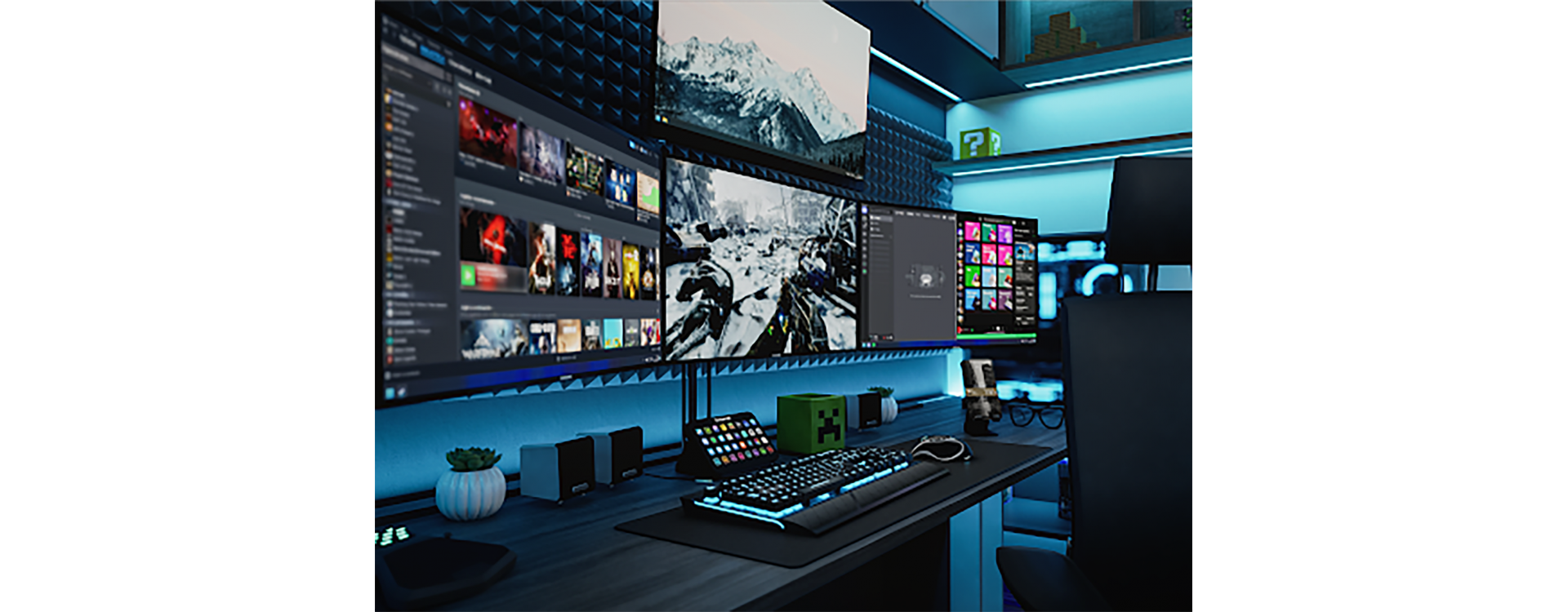

The 15 Best Gaming PC In 2026 Tested Reviewed Com Best RGB CPU Coolers For Aesthetic Custom Builds . NextGen Gaming PC With Custom Accessories And Glowing Aesthetic Nextgen Gaming Pc With Custom Accessories Glowing Aesthetic 963601 1441 . Best Gaming PC Builds For 2026 Best Gaming PC Builds For 2026.webp. The Ultimate Gaming PC Build 2026 Guide By Xidax 1 Unnamed . Epic Gamers Aesthetic Gamer Room Design Game Character Design Gaming

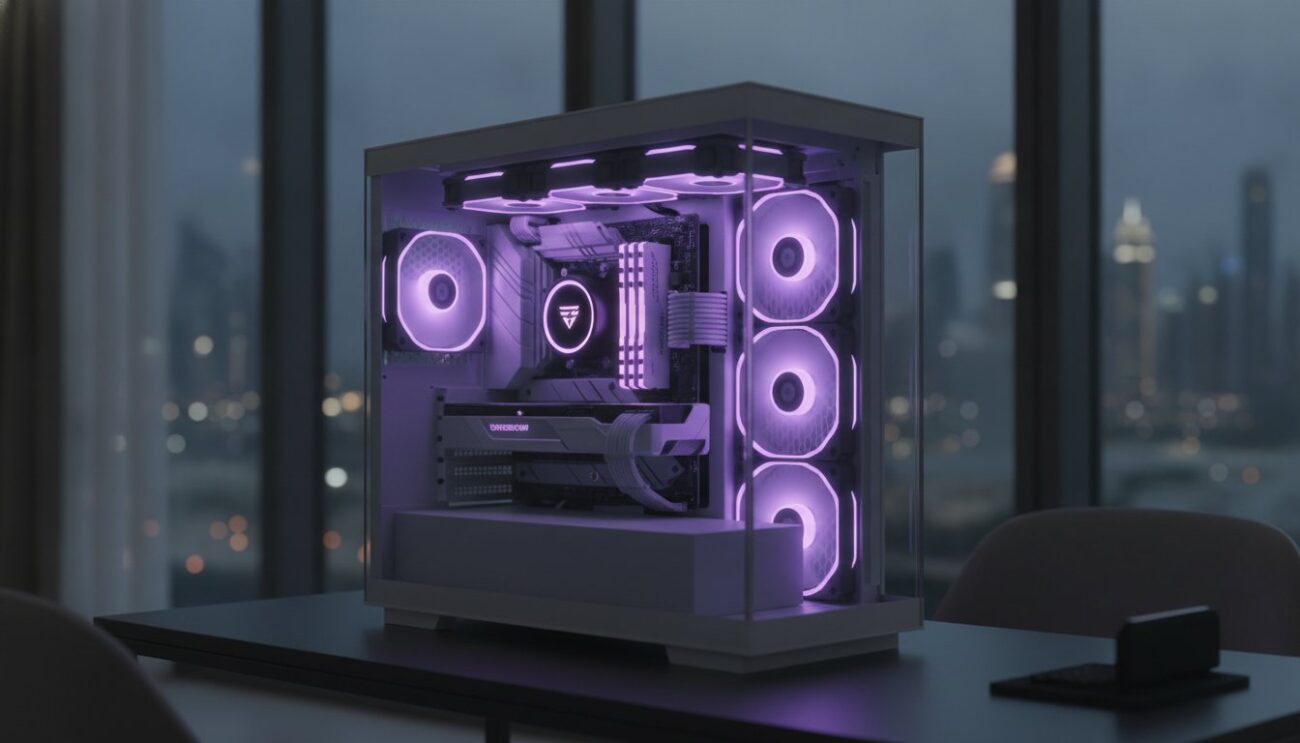
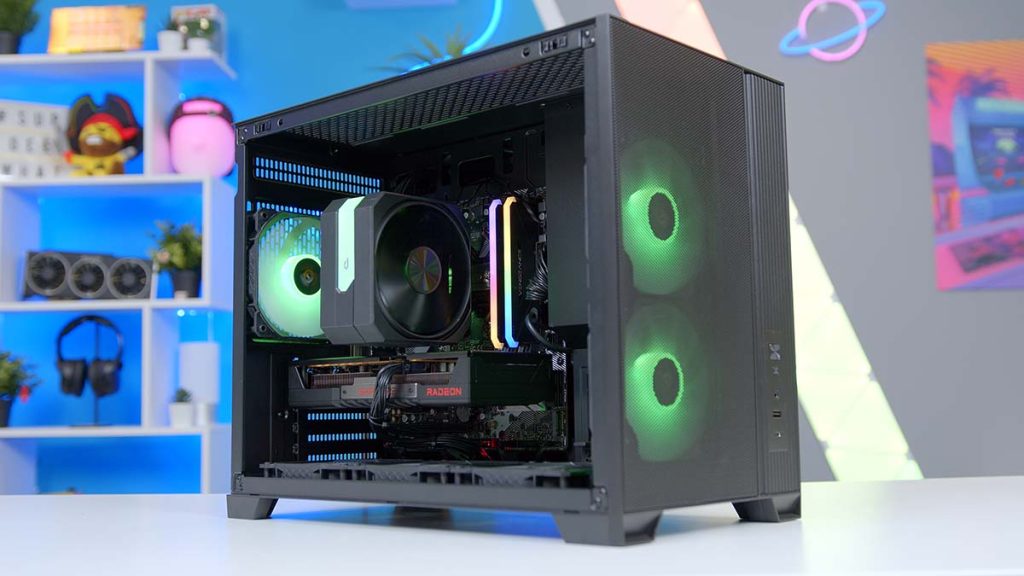
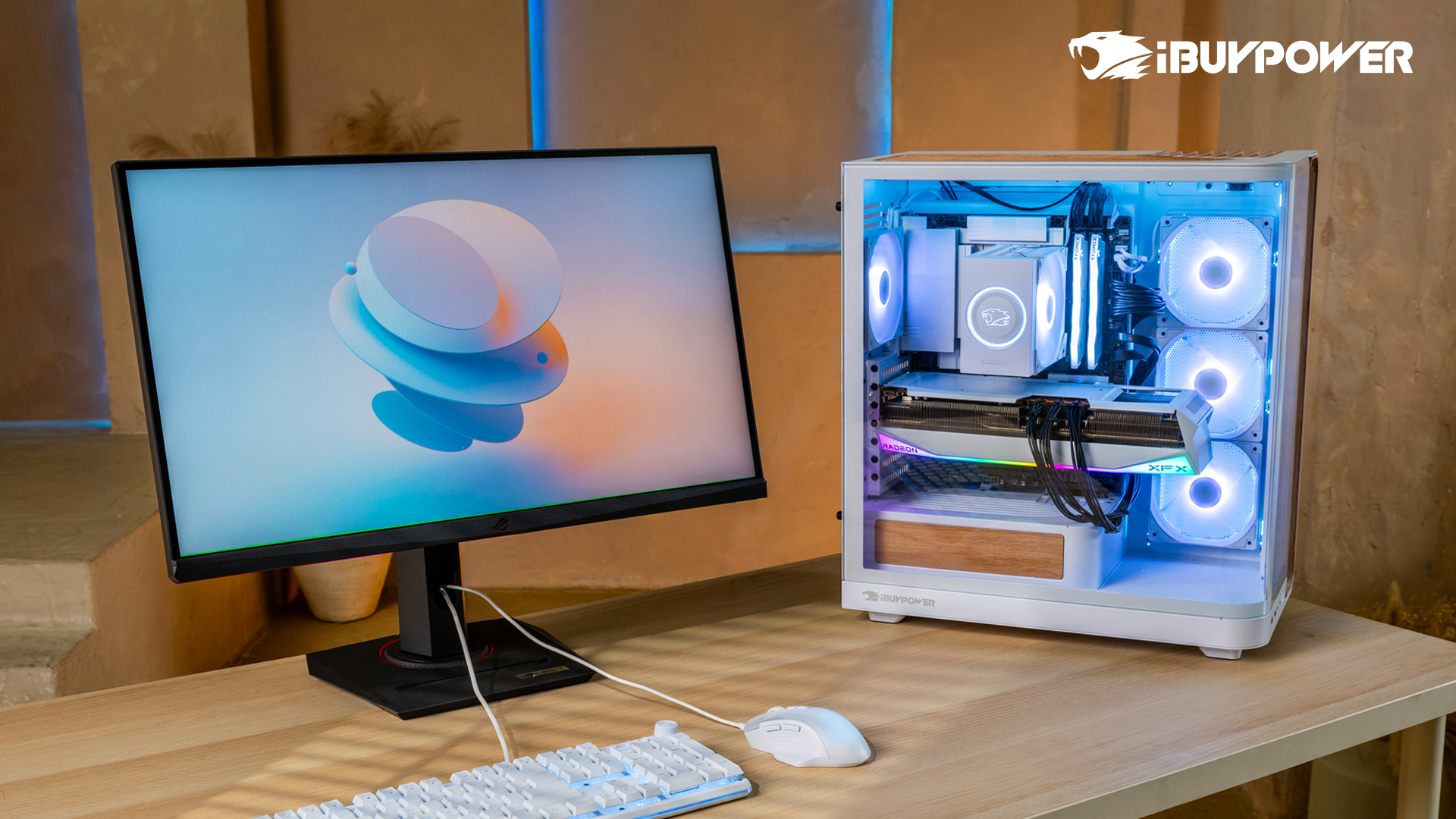

Top 5 Best PC Cases For Gaming In 2026 Airflow Budget Aesthetics . Best Gaming PC Under 5000 AED Top UAE Builds For 2026 Budget Gamer UAE Article 2010252 1783138110 1300x743 . Building An Affordable Gaming PC For 2026 GeekaWhat FI DP056 Antec Flux M 9060XT 1024x576 . IBUYPOWER Sets A New Standard For Modern PC Aesthetics And E7d6e966 1920x1080 Tracex Wht . Cozy Gaming PC Setup Aesthetic Cozy Moji Gaming Room Setup Yellow



Aesthetic Room Gamer . A Newbie S Journey Into The Expressive World Of Aesthetic Pc Gaming . Aesthetic Gaming PC Set Up 2022 White PC Build YouTube . A Newbie S Journey Into The Expressive World Of Aesthetic Pc Gaming . Top 5 Best PC Cases Of 2026 Airflow Budget Aesthetics YouTube

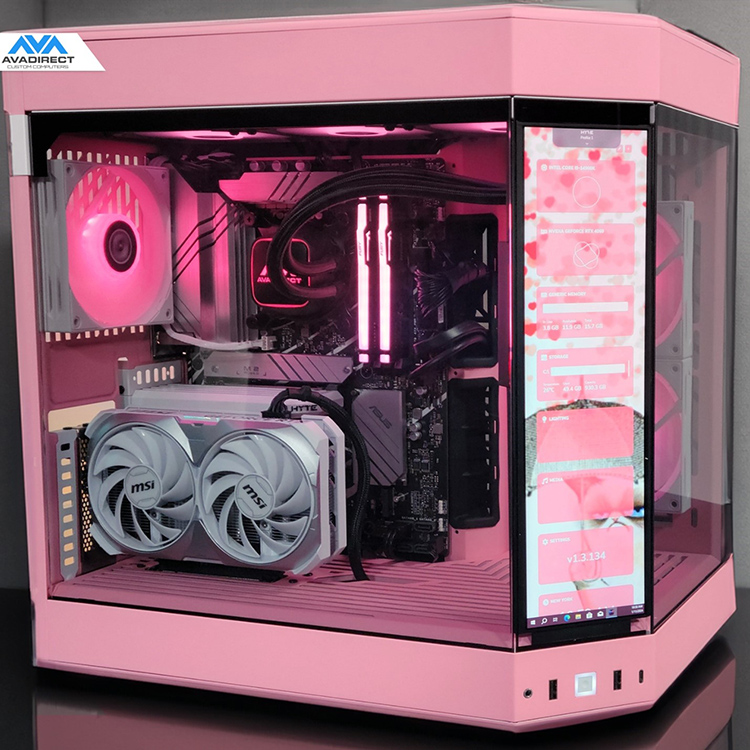


Building My Dream White Gaming PC Aesthetic YouTube . Enhancing Your Gaming Rig Elevating PC Aesthetics 1 . Aesthetic White Gaming PC Build Cozy Setup YouTube . NextGen Gaming PC With Custom Accessories And Glowing Aesthetic Nextgen Gaming Pc With Custom Accessories Glowing Aesthetic 963601 1427 . Building A Gaming PC For The First Time RTX 4060 Ti White Aesthetic


Pc Pc Gaming Setup Pc Setup Pc Setup Aesthetic Pc Aesthetic Pc . For All The Aesthetic Desk Inspo You Need Along With Product IDs . Aesthetic PC Gaming Setup Pink White Tour . 45 Awesome Aesthetic Gaming Setup Ideas Displate Blog V Relse . Aesthetic Pc Gaming Setup Artofit
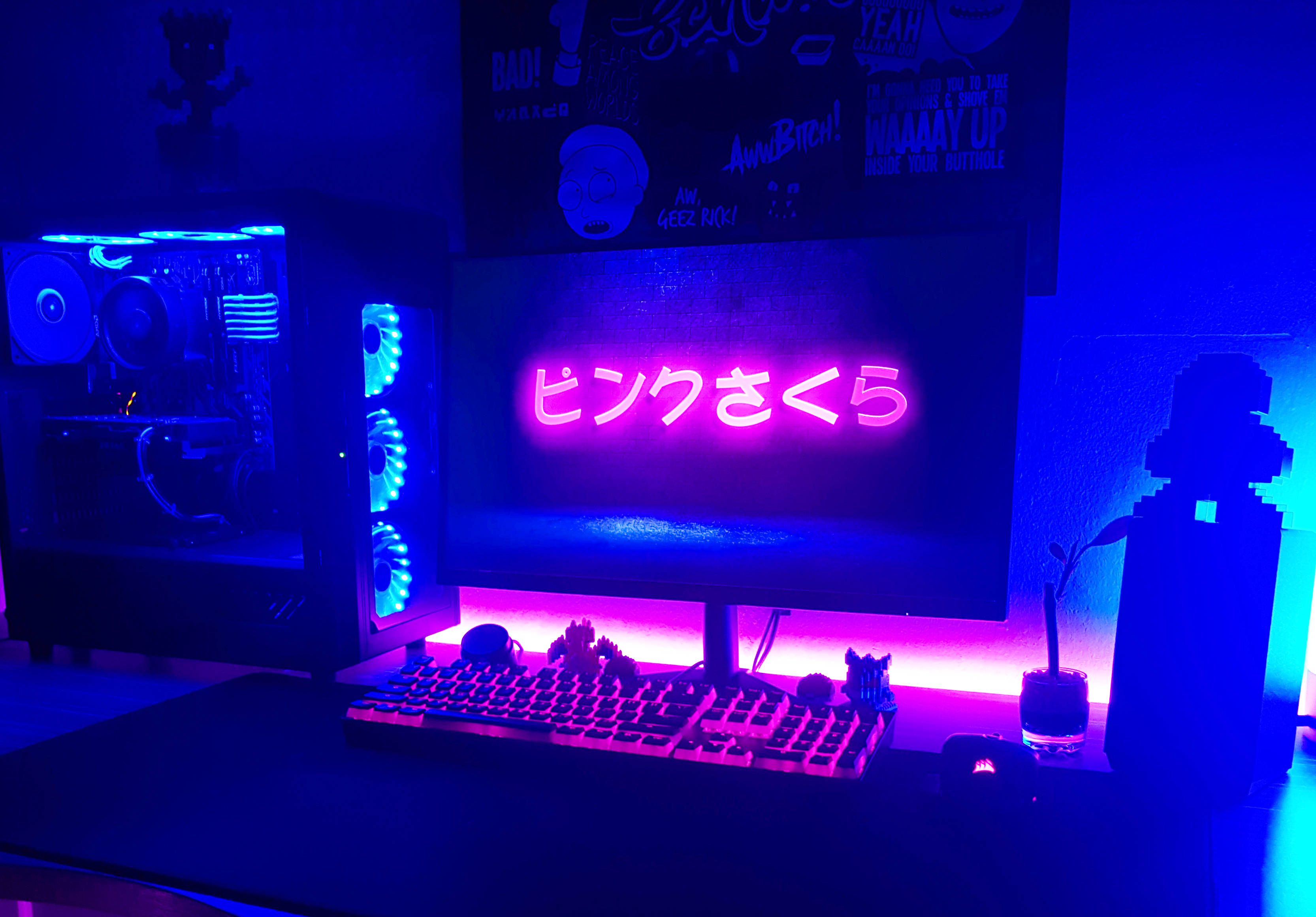
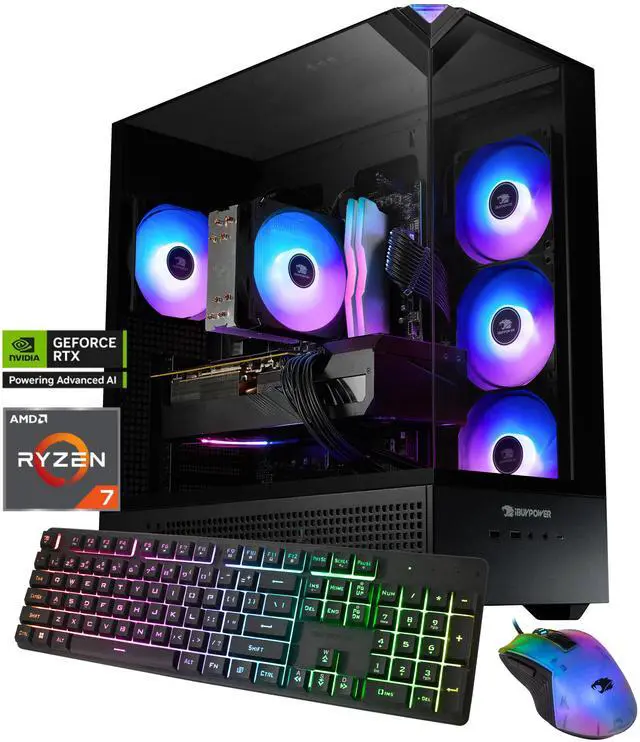
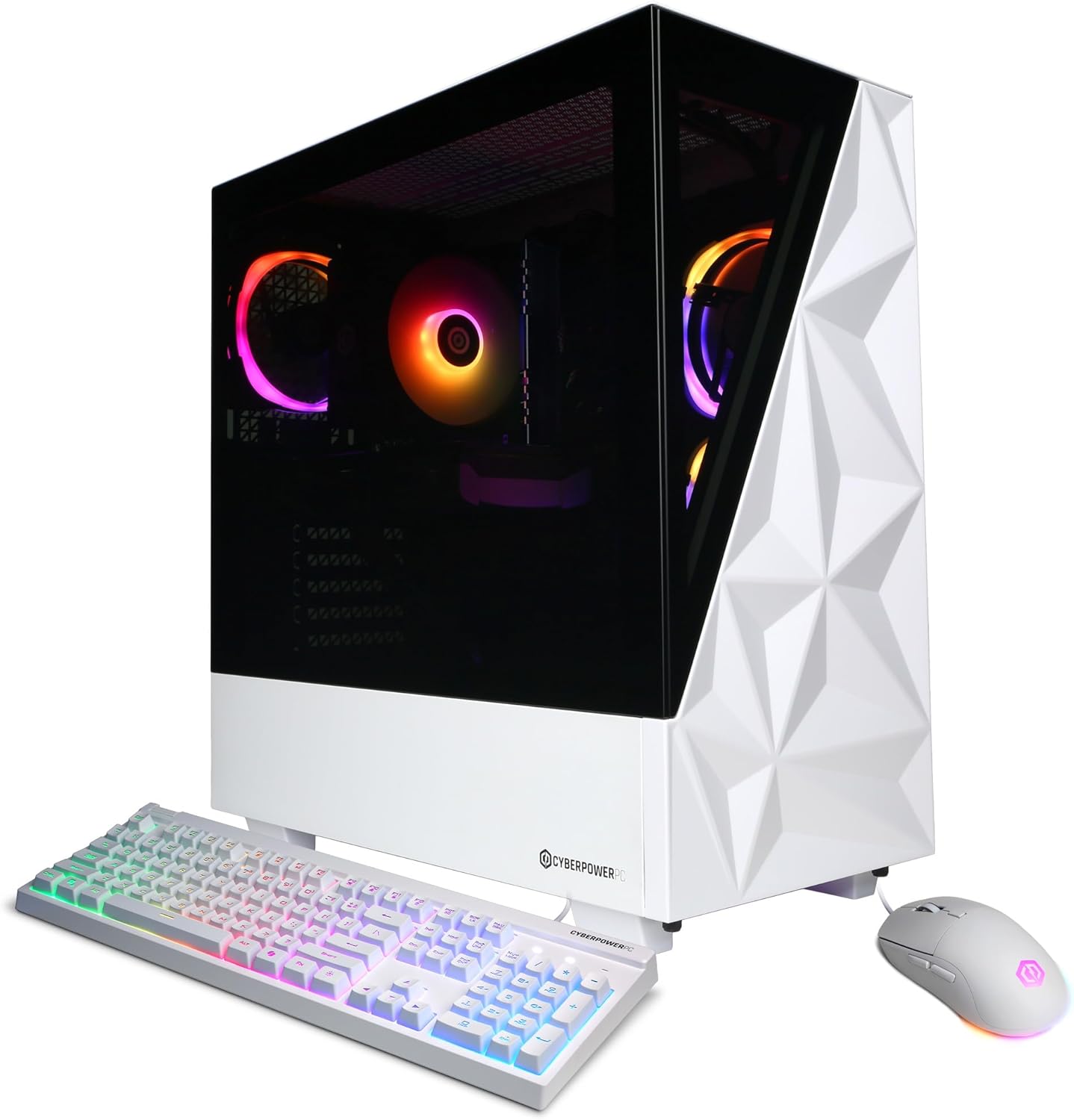
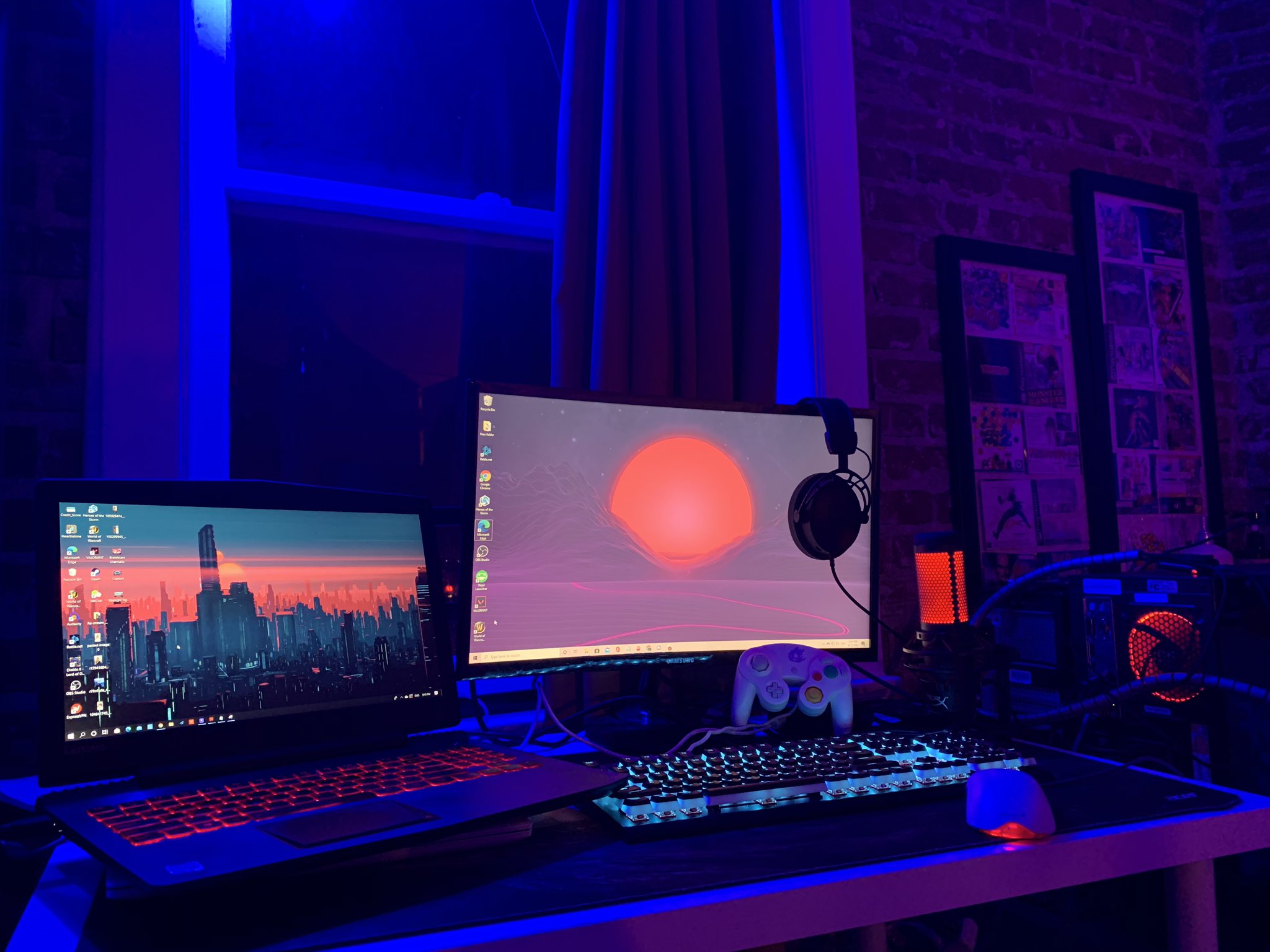

Aesthetic Gamer PC Wallpapers Wallpaper Cave Wp11474288 . Gaming Desktop PC Guide 2026 Build The Ultimate Gaming Setup 3D5 0007 00J68 02 . Best PC For 2026 For All Purposes From Coding To Gaming To Video AC SL1500 . A Newbie S Journey Into The Expressive World Of Aesthetic PC Gaming . Best Gaming Desktops For 2026 Technobezz Technobezz 2026 03 11 T142543 296 09ffd22ab9


PC Gamer Aesthetic PC Build Anatomy In 2024 Gaming Room . Gaming Room Ideas Aesthetic . Stealth PC Build Blackout Gaming Aesthetics RTX 5070Ti Core Ultra 1771328403 . Building A Gaming PC For The First Time RTX 5060 Ti White Aesthetic . A Newbie S Journey Into The Expressive World Of Aesthetic Pc Gaming