Embark on your journey to understanding how much to build a PC for gaming in 2026. This comprehensive guide helps US gamers navigate the exciting world of custom gaming rigs. Discover budget-friendly options, essential components, and performance expectations to craft your perfect setup. We break down costs for entry-level, mid-range, and high-end systems, offering insights into saving money without sacrificing power. Learn why building your own PC offers unparalleled customization and upgrade potential, empowering you to game for years to come. Whether you're a seasoned enthusiast or a first-time builder, this resource provides the navigational and informational tools you need to make informed decisions and conquer your favorite titles, from social cozy games to competitive esports. Get ready to dive into the ultimate PC building cost breakdown and make your gaming dreams a reality in the ever-evolving 2026 landscape.
1. Is 1000 dollars enough for a solid gaming PC in 2026? Yes, 1000 dollars is a fantastic starting point for a mid-range gaming PC in 2026. You can expect to build a system capable of 1080p high settings at 100+ FPS, and even respectable 1440p performance in many titles. Focus your budget on a good CPU and GPU, like an AMD Ryzen 5 or Intel Core i5, paired with a mid-tier RTX 40-series or RX 7000-series graphics card. This budget allows for a fast NVMe SSD and 16GB of DDR4/DDR5 RAM, ensuring a smooth experience across popular games and multitasking. 2. What's the single most important part to spend money on for gaming performance? Without a doubt, the Graphics Processing Unit (GPU) is the single most critical component for gaming performance. It handles rendering all the visuals on your screen, from intricate textures to complex lighting effects. A powerful GPU will give you higher frame rates, better graphical fidelity, and a smoother overall gaming experience. While other components are important, sacrificing too much on the GPU will bottleneck your system's gaming potential more than anything else. 3. Can I really build a gaming PC myself if I've never done it before? Absolutely! Building a gaming PC is far more accessible than it used to be. Modern components are largely modular and designed for straightforward assembly. Think of it as adult LEGO. There are countless step-by-step video guides on YouTube, detailed written tutorials, and active online communities ready to help. As long as you take your time, follow instructions carefully, and aren't afraid to learn, you can definitely build your own powerful gaming machine. 4. How long will a gaming PC I build today last before it needs major upgrades? A well-built gaming PC in 2026 can comfortably last 3-5 years before needing major component upgrades, especially if you prioritize a solid CPU and GPU from the start. Mid-range builds might see GPUs needing an upgrade around the 3-year mark to maintain peak performance on new titles. High-end systems often stretch closer to 5 years, perhaps with a GPU refresh. CPU upgrades are less frequent, often lasting 5-7 years. RAM and storage are typically only upgraded if you need more capacity or faster speeds. 5. Are pre-built gaming PCs ever a better option for US gamers? Yes, pre-built gaming PCs can be a better option for specific US gamers. If you prioritize convenience, want a ready-to-play system right out of the box, or prefer the simplicity of a single warranty from a system integrator, a pre-built is a great choice. They are also good for those uncomfortable with the DIY aspect or who don't have the time to research and assemble components. Sometimes, during major sales events, pre-builts can even offer competitive pricing due to bulk component purchases. 6. What are common pitfalls or mistakes first-time PC builders make? Common mistakes include forgetting to install the I/O shield, not fully seating RAM or the graphics card, neglecting to plug in all necessary power cables (especially to the GPU and CPU), improper thermal paste application, and not enabling XMP/DOCP for RAM in the BIOS. Another frequent error is not planning cable management, which impacts airflow and aesthetics. Always double-check connections and consult your motherboard manual! 7. Is it worth buying used PC parts to save money, and if so, which ones? Buying used parts can definitely save you money and is a smart strategy for budget builds. CPUs, RAM, and cases are generally safe to buy used, as they have fewer moving parts or are less prone to wear. GPUs can be a good deal used, but exercise caution: always buy from reputable sellers, ask for benchmarks/testing, and ensure it wasn't used for intense cryptocurrency mining without proper maintenance. Avoid used power supplies, as a failing PSU can damage other components.Hey there, fellow gamer! Ever found yourself staring at your screen, wishing for smoother framerates, crisper graphics, or just a setup that truly feels yours? You're not alone. In 2026, over 87% of US adults game regularly, often spending 10+ hours a week unwinding with titles ranging from the latest AAA blockbusters to cozy social experiences with friends on Discord. But that ultimate gaming rig often comes with a big question mark: How much to build a PC for gaming? It's a journey, not just a purchase, and we're here to guide you through every byte and dollar. This guide will help you understand how much to build a PC for gaming, ensuring you make smart choices for your ideal setup.
Forget the intimidating tech jargon for a moment. Think of this as getting practical advice from a friend who's been there, built that, and still loves hitting 'play'. We'll cover everything from budget-friendly options to future-proofing your beast, all while keeping 2026's tech and trends in mind. Ready to build your dream machine and maybe even save some cash along the way? Let's dive in!
How Much Does It Really Cost to Build a Gaming PC in 2026?
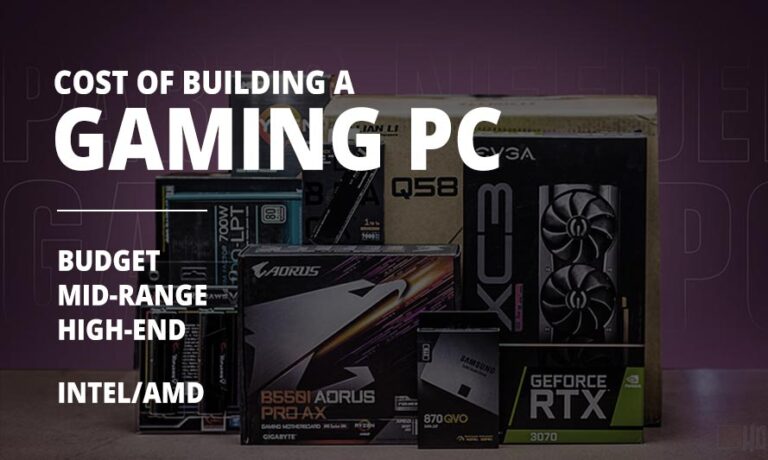
This is the million-dollar question, or rather, the 500-to-2500-dollar question! The truth is, there's no single answer, as the cost of building a gaming PC varies wildly based on your desired performance, specific components, and current market prices. However, we can break it down into general tiers for US gamers:
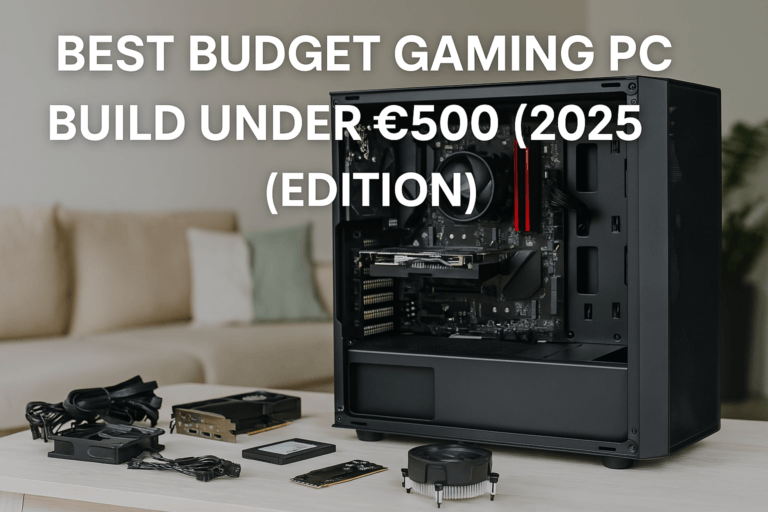
- Entry-Level Gaming PC ($500 - $800): At this price point, you're looking at solid 1080p gaming at medium-to-high settings, achieving 60+ FPS in most popular titles like Valorant, Apex Legends, or even some lighter AAA games. This budget often involves a last-gen CPU (e.g., Ryzen 5 5600 or Intel Core i3 12100F) paired with a capable entry-level GPU (e.g., Radeon RX 6600 or GeForce RTX 3050). You'll typically get 16GB of DDR4 RAM and a 500GB-1TB NVMe SSD. It's a fantastic starting point for dipping your toes into PC gaming without breaking the bank.
- Mid-Range Gaming PC ($900 - $1500): This is often the sweet spot for many US gamers, offering excellent value and performance. You can expect high refresh rate 1080p gaming (100+ FPS) or smooth 1440p gaming at high settings in many modern titles. Here, you'll find more current-gen components like a Ryzen 5 7600X or Intel Core i5 13600K, coupled with mid-tier GPUs like the RTX 4060 Ti, RX 7700 XT, or even an RTX 4070. You'll likely get 16-32GB of faster DDR5 RAM and a 1TB NVMe SSD, plus better cooling and a more aesthetically pleasing case. This is where most Gen Z and Millennial gamers balance performance with budget for games like Helldivers 2, Palworld, or Cyberpunk 2077.
- High-End / Enthusiast Gaming PC ($1600 - $2500+): Welcome to the realm of no compromises! This budget targets 1440p high refresh rate gaming, competitive 4K gaming, or seamless VR experiences. You're looking at top-tier CPUs (e.g., Ryzen 7 7800X3D, Intel Core i7 14700K) and powerful GPUs (e.g., RTX 4080, RTX 4090, RX 7900 XTX). Expect 32GB+ of fast DDR5 RAM, 2TB+ NVMe SSDs, advanced liquid cooling, premium cases, and high-wattage power supplies. This tier is for those who want to experience every game at its absolute best, stream professionally, or delve into content creation alongside gaming.
Why Should I Build My Own Gaming PC Instead of Buying a Pre-Built?
This is a debate as old as PC gaming itself, but building your own rig offers some compelling advantages:
- Customization: You get to pick every single component. This means you can tailor your PC exactly to your needs, whether it's specific aesthetics, maximum performance for a certain game, or prioritizing certain features. No compromises, just your vision.
- Cost Savings: Often, building your own PC can be cheaper than buying a pre-built with equivalent specifications. System integrators have overheads and profit margins. You also have the flexibility to hunt for sales on individual parts, something harder to do with a complete system.
- Upgradeability: When you build your PC, you understand its internal workings. This makes future upgrades much simpler. You're not locked into proprietary parts or limited by a generic power supply, making it easier to swap out your GPU or add more RAM down the line.
- Quality Control & Learning: You choose the brand and model of each component, ensuring you get quality parts across the board. Plus, the process of building is incredibly rewarding. You'll learn valuable skills and gain a deeper understanding of how your machine works, empowering you to troubleshoot minor issues yourself.
What Essential Components Do I Need for a Gaming PC Build?
Think of your PC as a team, with each component playing a crucial role. Here are the core players:
- Central Processing Unit (CPU): The 'brain' of your PC. Intel (Core i3, i5, i7, i9) and AMD (Ryzen 3, 5, 7, 9) are the main players. For gaming, a strong CPU ensures smooth operation, especially in CPU-intensive games or while multitasking like streaming.
- Graphics Processing Unit (GPU): The 'heart' of your gaming experience. This is by far the most important component for gaming performance, rendering all the beautiful visuals on your screen. NVIDIA (RTX series) and AMD (Radeon RX series) lead the market. Spend as much as your budget allows here!
- Motherboard: The 'nervous system' that connects all your components. It needs to be compatible with your chosen CPU and RAM, and offer enough ports and slots for your needs.
- Random Access Memory (RAM): Your PC's short-term memory. 16GB of RAM is the minimum recommended for modern gaming in 2026, with 32GB becoming increasingly common, especially for heavy multitaskers or demanding titles. Faster RAM (measured in MHz) can also offer slight performance boosts.
- Storage (SSD/NVMe): Where your operating system, games, and files live. An NVMe SSD is now standard for the fastest load times and overall system responsiveness. Aim for at least 1TB, as game sizes continue to grow.
- Power Supply Unit (PSU): Delivers power to all your components. Don't skimp here! A reliable PSU from a reputable brand (e.g., Corsair, Seasonic, EVGA) with sufficient wattage (e.g., 650W-850W for mid-range) is crucial for stability and future upgrades.
- Case: Houses all your components. Choose one with good airflow, enough space for your parts, and an aesthetic you like.
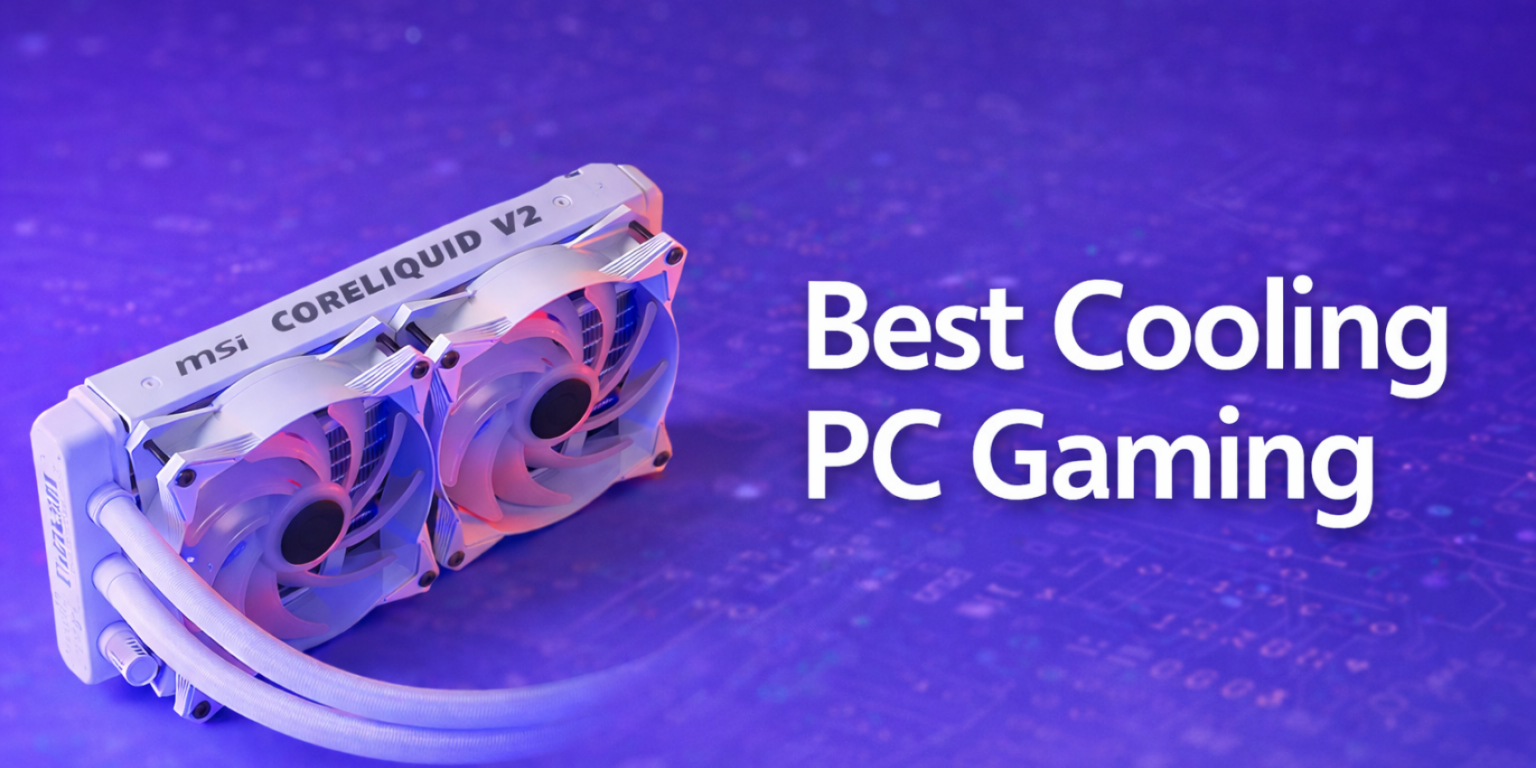
- Cooling: Keeps your CPU (and sometimes GPU) from overheating. This could be an air cooler or an All-in-One (AIO) liquid cooler. Adequate cooling is vital for performance and component longevity.
How Can I Save Money When Building a Gaming PC?
Even with
Understanding gaming PC build costs from 500 dollars to 2500 dollars, component breakdowns for CPU GPU RAM storage, performance tiers for 1080p 1440p 4K gaming, DIY versus pre-built advantages, maximizing budget with sales and used parts, essential peripherals like monitors keyboards and mice, future-proofing for longevity, and integrating latest US gaming trends and statistics.
35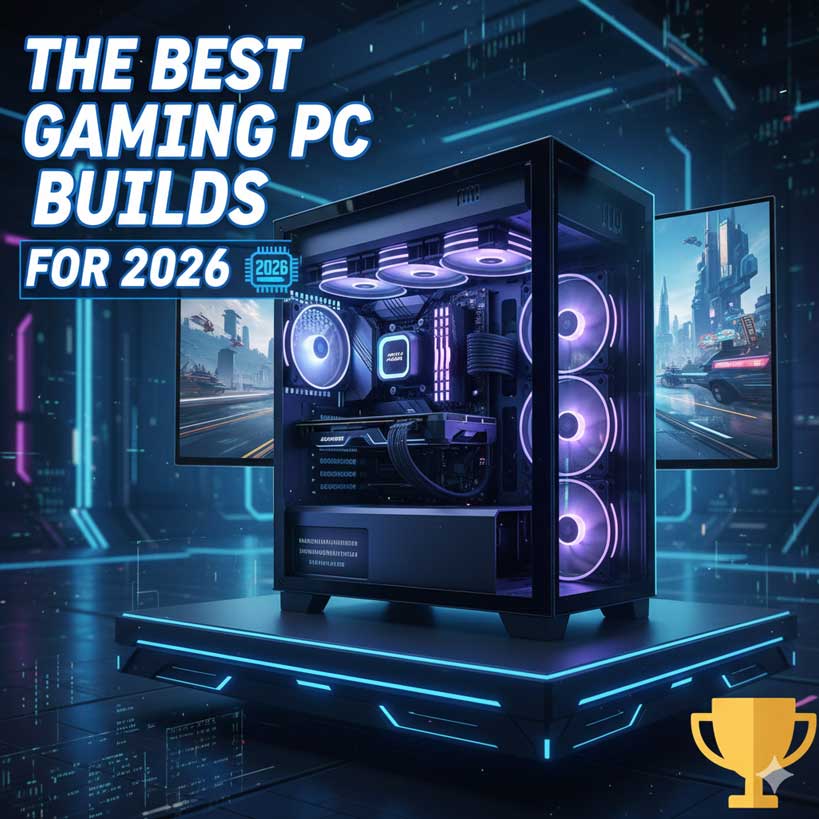

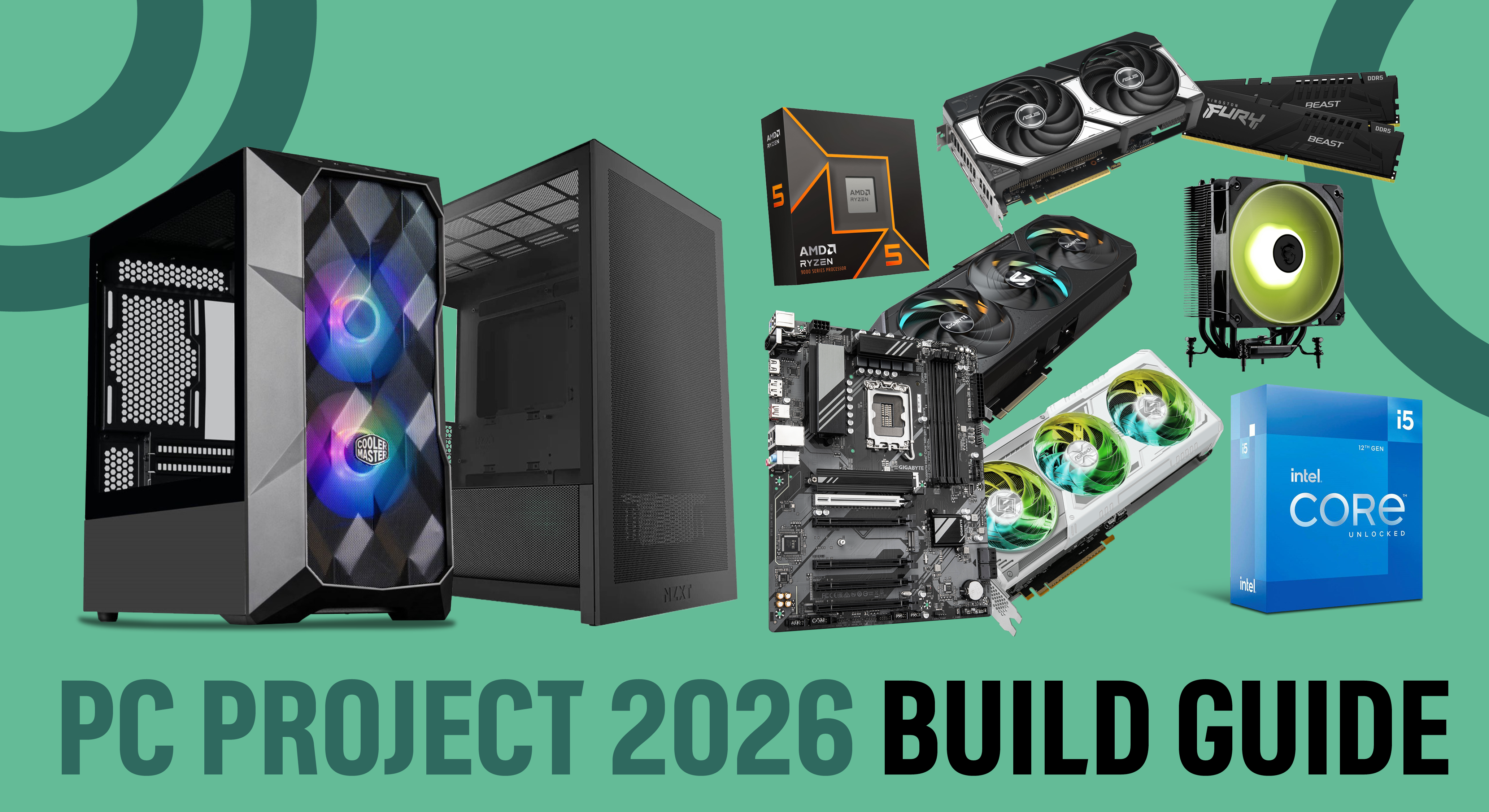


The Best Gaming PC Builds For 2026 Top Picks And Reviews Best Pc Build . Best Gaming PC Builds For 2026 Best Gaming PC Builds For 2026.webp. PC Project 2026 Where To Start With Building Your Own Gaming PC CCL CCL 667 BLOG BUILD GUIDE 1980x1080 . The Best 1000 Gaming PC Build For 2026 YouTube . Latest Content

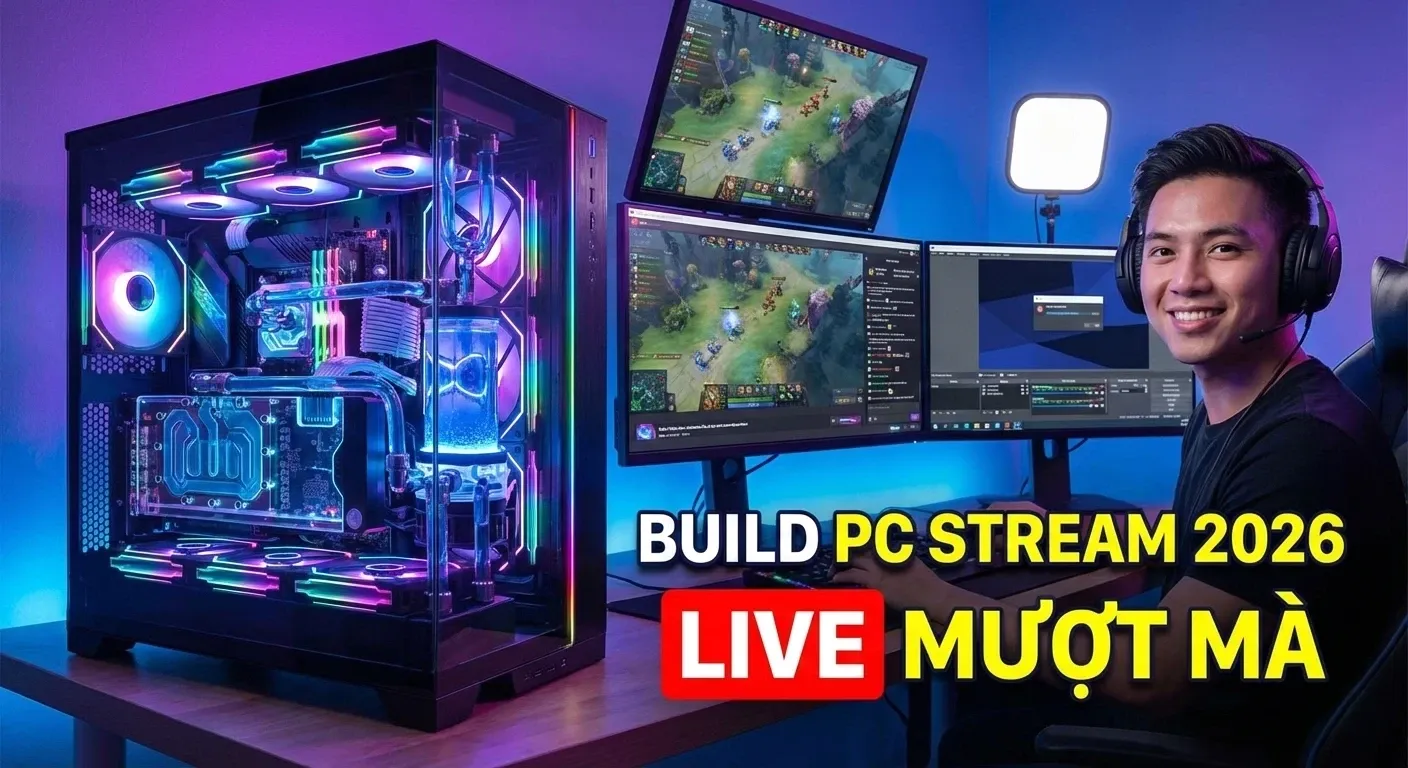

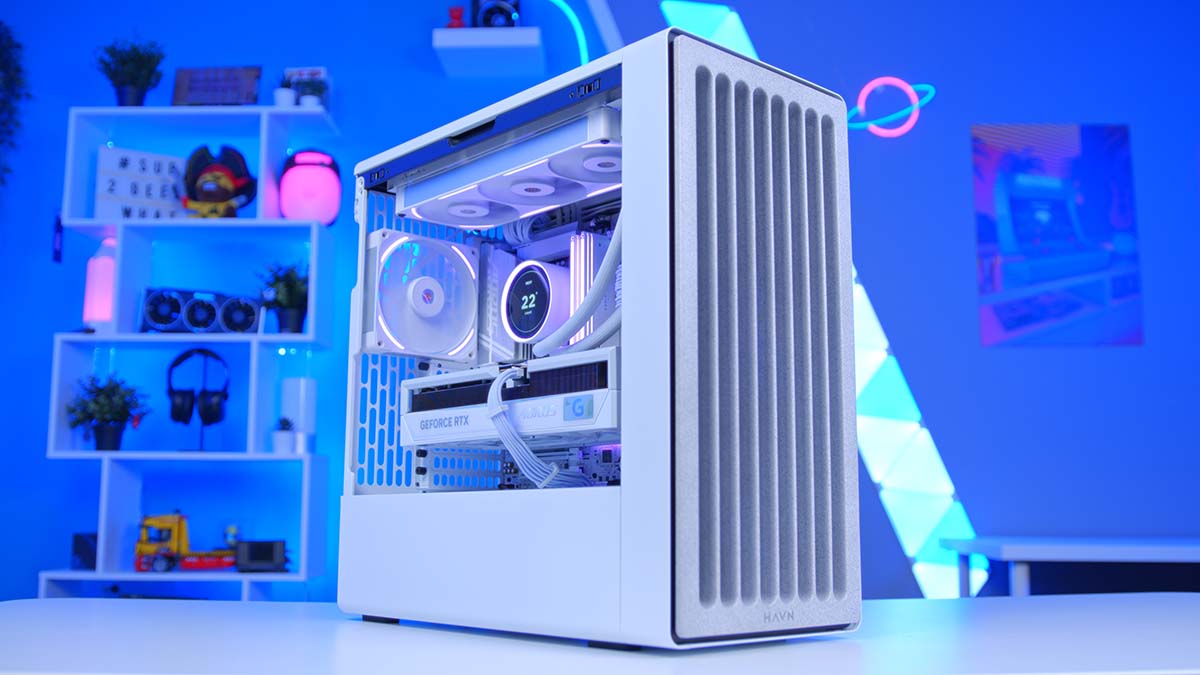

2026 Step By Step Guide Building A Mid Range Gaming PC Step By Step Guide Building A Mid Range Gaming PC In 2025 12785eda 047c 4442 9a5c. Build PC Stream Game 2026 C N C U H Nh Ra Sao Live M T Kh Ng Lag Build PC Stream Game 2026 Can Cau Hinh Ra Sao De Live Muot Khong Lag.webp. Best Gaming Streaming PC In 2026 High FPS Gaming PC Guru Best Gaming Pc On Amazon Featured 800x500 . Building An Enthusiast Grade PC Build For 2026 GeekaWhat FI DM87 HAVN BF RTX 5090 Build . Best Budget Gaming PC Builds For 2026 500 800 Best Budget Gaming PC Builds For 2026.webp
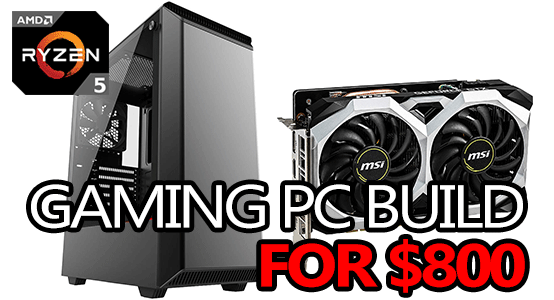
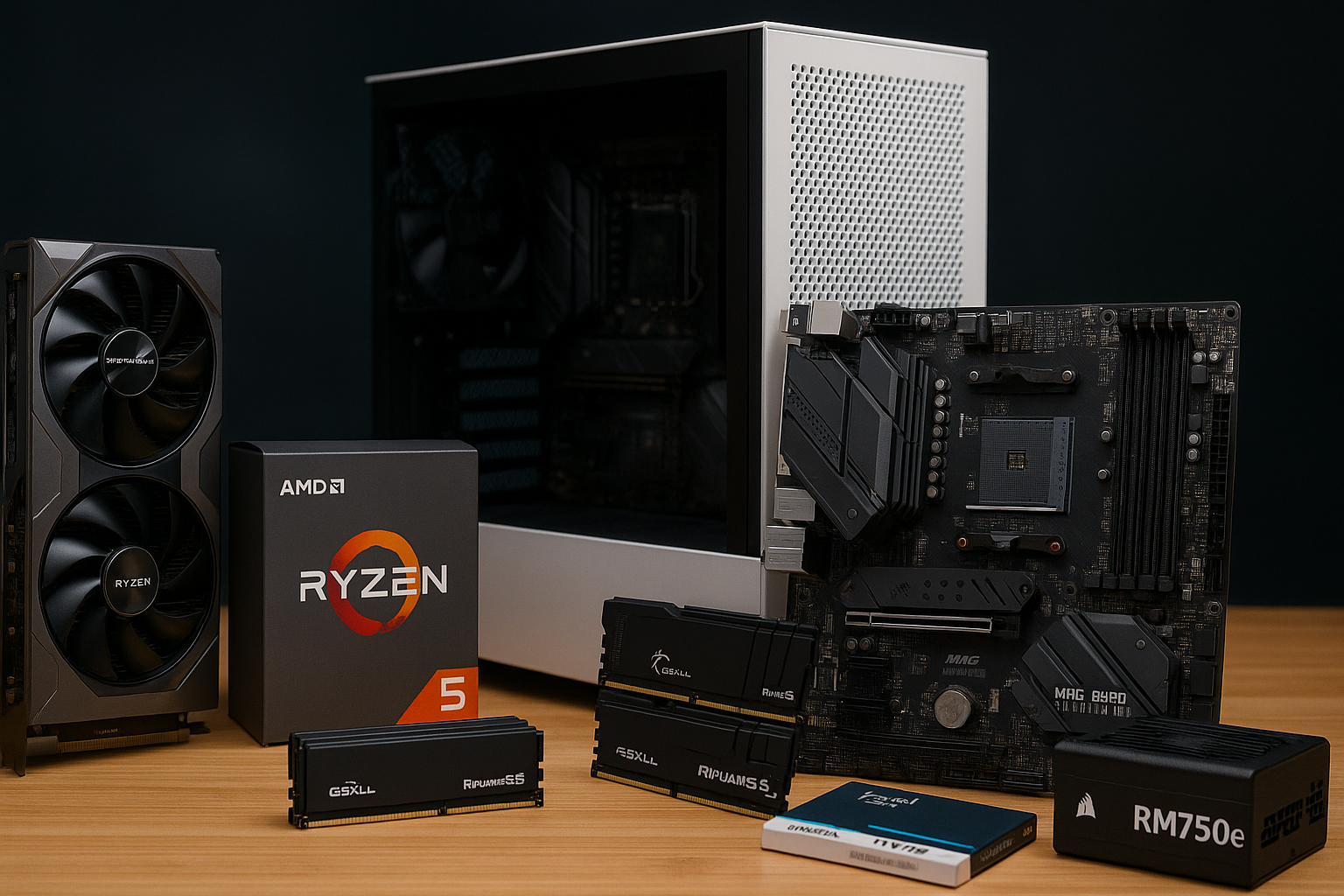
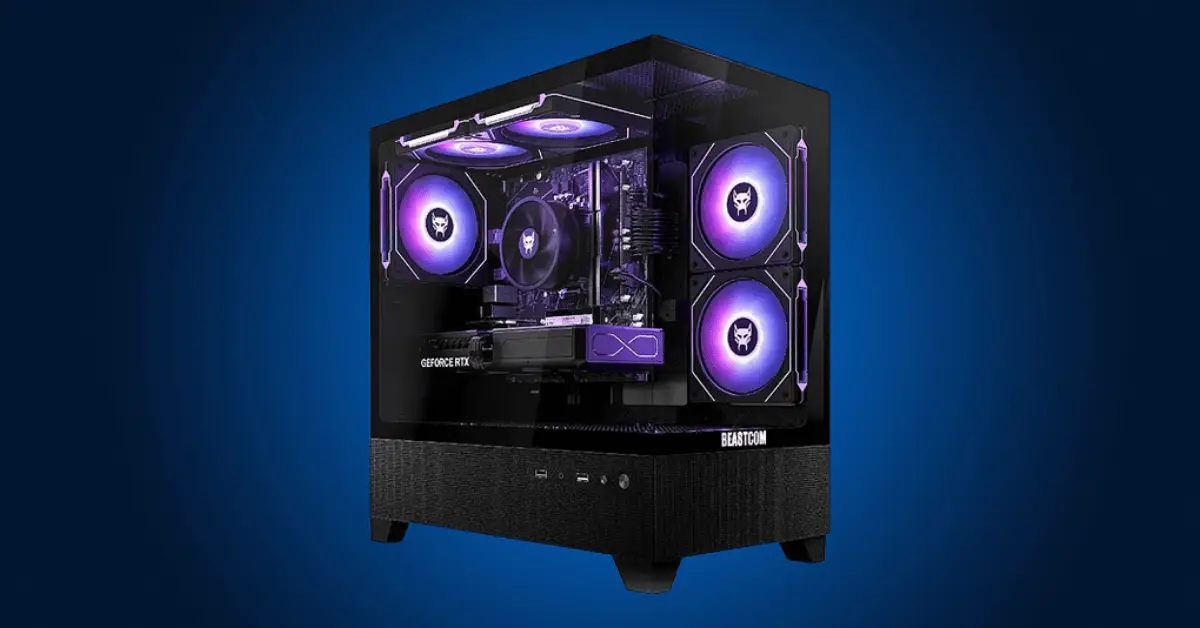
How Much Does It Cost To Build An Ideal Gaming PC In 2026 Admin Ajax.php. Best Gaming PC Build 2026 Top Picks For Every Budget PC Game Haven Best 800 Dollar Gaming Pc Build 2020 1 . How To Build A Gaming PC In 2026 Complete Parts Guide And Assembly Image. Best Gaming PC Builds 2026 Every Budget Resolution 1536x1024 . How Much Does It Cost To Build A Gaming PC In 2026 Full Budget Guide Build Budget.webp

How Much Does It Cost To Build A Gaming PC In 2026 Full Budget Guide Low Cost PC For Gaming 768x402 . How To Build Gaming PC Guide 2026 Step By Step Budget Gaming PC 2026 Gaming Pc . One Moment Please Best Gaming Pc For Under 500 Dollars Featured 800x500 . How Much Does It Cost To Build A PC Gaming PC Costs Explained In 2026 How Much Does It Cost To Build A PC . Best Budget Gaming PC Build In India For 2026 Affordable Rs 30 000 Best Budget Gaming PC Build In India For 2026 854x503


How To Build A Gaming PC 2026 Complete Beginner S Guide Switchblade How To Build Gaming Pc 2026.webp. How To Build A Gaming PC In 2026 Complete Beginner Guide How To Build Gaming Pc 2026 . R15 000 Gaming PC Guide 2026 R15 000 Gaming Pc Sa 2026 Banner.webp. How To Build A PC In 2026 GEEKOM UK Pc Building Guide.webp. How Much Does It Cost To Build A Gaming PC In 2026 How Much Does It Cost To Build A Gaming Pc 1

How To Build A Future Proof Gaming PC In 2026 Complete Custom Build Guide 1773043345 . How Much Does It Cost To Build A Gaming PC Full 2026 Guide Featured Image Xabdv6a1 300x210 . The Ultimate Gaming PC Build 2026 Guide By Xidax 1 Unnamed . How Much Does It Cost To Build A Gaming PC In 2026 Full Budget Guide Best Cooling Pc Gaming 1536x768 . How Much Does It Cost To Build A PC For Gaming In 2026 Build My PC How Much Does It Cost To Build A PC For Gaming 768x460


Budget Gaming PC Build 2026 Best Setup Under 700 BudgetPC 768x512 . Best PC Builds For Gaming 2026 Ultimate Guide To Building Your Dream Best PC Builds For Gaming 2026 1024x683 . How Much Does It Cost To Build A Gaming PC Budget Allocation 1 1024x576 . The Gaming PC You Need To Build For 2026. How Much Is A Normal Gaming PC What Is The Cost