Many US gamers, balancing demanding jobs, family life, and their passion for virtual worlds, often reach for a soda during long gaming sessions. The question 'does Coke work with gaming' isn't just about a beverage; it's about seeking an edge, a burst of energy to push through a raid, clinch a competitive match, or simply stay focused while exploring new game releases. This comprehensive guide dives deep into the realities of consuming Coca-Cola while gaming, exploring its immediate effects on concentration and reaction time, as well as the potential drawbacks like caffeine crashes, sugar spikes, and long-term health implications. We will provide practical, evidence-based advice for optimizing your gaming performance and well-being without relying on sugary drinks, drawing on recent gaming trends and lifestyle insights relevant to today's adult gamers. Discover how to maintain peak mental clarity and physical stamina, ensuring your gaming experience remains enjoyable and sustainable.
Q: What are the immediate effects of drinking Coke during a gaming session?
A: Drinking Coke during gaming can lead to an immediate surge in energy and alertness due to its sugar and caffeine content. The sugar provides quick glucose for brain function, while caffeine blocks fatigue signals, potentially improving reaction times and focus in the short term. However, this is often followed by a crash.
Q: Does caffeine in Coke really make you a better gamer?
A: For some gamers, the caffeine in Coke can offer a temporary boost in vigilance, reducing perceived exertion and slightly enhancing motor skills and reaction time. This short-term sharpening can be beneficial during critical moments. However, its effectiveness varies greatly among individuals based on caffeine tolerance and sensitivity.
Q: What are the biggest downsides of relying on Coke for energy while gaming?
A: The biggest downsides include the inevitable 'sugar crash' that follows the initial energy spike, leading to sluggishness and reduced focus. Coke's diuretic effect can also contribute to dehydration, causing headaches and impairing cognitive function over long sessions. Regular consumption can also disrupt sleep patterns, crucial for sustained performance.
Q: Are there healthier alternatives to Coke for boosting focus and energy during gaming?
A: Absolutely. Water is paramount for maintaining hydration and cognitive function. Unsweetened green or black tea offers a more sustained caffeine release with L-Theanine for calm focus. Balanced snacks like nuts or fruits provide steady energy, and specialized sugar-free gaming supplements can offer cognitive support without the downsides of sugary sodas.
Q: How does a gamer's age and lifestyle affect how Coke impacts their performance?
A: A gamer's age, caffeine tolerance, and overall lifestyle significantly influence Coke's impact. Younger gamers might process caffeine differently, while busy adults (avg. age 36) balancing work and family may be more susceptible to sleep disruption. Those with lower caffeine tolerance might experience jitters, making moderation and understanding personal limits crucial for optimal gaming and well-being.
Q: Can Coke affect my long-term gaming enjoyment and health?
A: Yes, regular Coke consumption can negatively impact long-term gaming enjoyment and health. High sugar intake increases risks for chronic diseases, dental issues, and persistent sleep problems. These health issues can reduce your stamina, focus, and overall capacity to game, making it harder to engage in your hobby consistently and effectively over the years.
Q: What specific types of games might be most affected by a sugar or caffeine crash from Coke?
A: Fast-paced, competitive games requiring sustained focus and rapid decision-making, such as MOBAs (e.g., League of Legends, Dota 2), FPS titles (e.g., Valorant, Call of Duty), and fighting games, are most affected by a sugar or caffeine crash. The sudden drop in energy and concentration can severely impair reaction times, strategic thinking, and overall performance during crucial moments.
For many adult gamers in the US, balancing work, family, and personal life means that precious gaming hours are often late-night endeavors or weekend sprints. It's easy to reach for a familiar friend during these sessions: a cold can of Coca-Cola. The allure is simple: a quick sugar rush and a caffeine kick promise to sharpen focus, improve reaction times, and push back fatigue. But does Coke really work with gaming, or is it a short-term fix that leads to a bigger problem? This article unpacks the science and practical realities, offering insights for the average gamer, aged around 36, who values performance, relaxation, and healthy habits without all the marketing hype.
You're not alone in wondering. A significant 87% of US gamers play regularly, often dedicating 10 or more hours a week to their passion. Many leverage gaming for stress relief, social connection, and skill-building. With mobile gaming dominating and cross-play between PC and consoles becoming the norm, every bit of focus counts, whether you're strategizing in a social cozy game or clutching a competitive esports match. Let's dive into whether your favorite fizzy drink is truly helping or hindering your quest for gaming excellence.
What Happens to Your Body When You Drink Coke While Gaming?
When you crack open a can of Coca-Cola, your body quickly processes two main components: sugar and caffeine. The sugar delivers an almost immediate energy spike, fueling your brain with glucose. This can momentarily increase alertness and potentially quicken reaction times. Simultaneously, caffeine acts as a stimulant, blocking adenosine, a neurotransmitter that promotes relaxation and sleepiness. This combination creates a perceived boost in energy and focus, which can feel beneficial in the short term, especially during intense gaming moments or when fatigue starts to set in during a long session. Your senses might feel sharper, and decisions a tad faster.
Can Coke Genuinely Improve Your Gaming Performance?
In very specific, short bursts, yes, the caffeine in Coke can offer a temporary edge. Studies suggest caffeine can improve vigilance, reduce perceived exertion, and slightly enhance motor skills and reaction time. For a crucial competitive moment, a quick shot of caffeine might provide the mental sharpness needed to pull off a clutch play. However, this is a nuanced benefit. The impact is highly individual, depending on your caffeine tolerance and sensitivity. Some gamers might experience a noticeable uplift in their cognitive functions, feeling more dialed-in to the game's rhythm and challenges. This can be particularly appealing when grinding through repetitive tasks or facing high-stakes scenarios.
What Are the Downsides of Relying on Coke for Long Gaming Sessions?
While a temporary boost is tempting, the downsides of consistent Coke consumption for gaming quickly outweigh the benefits. The initial sugar rush is often followed by a noticeable crash, leaving you feeling sluggish, irritable, and less focused than before. This 'sugar crash' can significantly impair your gaming performance, making quick decisions harder and reaction times slower. Moreover, caffeine, while stimulating, is also a diuretic. This means it can contribute to dehydration, which can lead to headaches, fatigue, and impaired cognitive function over extended periods. Regular consumption can disrupt sleep patterns, especially if consumed late, making it harder to get the restorative rest essential for sustained gaming performance and overall well-being for busy adults balancing life's demands.
Are There Healthier Alternatives for Energy and Focus While Gaming?
Absolutely! For adult gamers, maintaining consistent energy and focus without the jitters and crashes is key. Start with **water**: staying properly hydrated is fundamental for brain function and preventing fatigue. Consider natural, unsweetened **green tea** or **black tea** for a more sustained, gentler caffeine release, often accompanied by L-Theanine, an amino acid that can promote calm focus. **Electrolyte-infused water** can also be beneficial, especially during intense sessions, to replenish minerals. For snacks, opt for **nuts, fruits, or whole-grain crackers** to provide steady energy. Some dedicated gaming supplements now offer tailored blends of nootropics and vitamins without excessive sugar, designed to support cognitive function without the drawbacks of traditional energy drinks or sodas. Focus on what fuels your body and mind for the long haul, not just the next match.
How Does Caffeine Affect Different Gamers and Their Experience?
Caffeine's impact varies wildly from person to person. Factors like genetics, body weight, regular caffeine intake, and overall health play a significant role. Some gamers are highly sensitive, experiencing jitters, anxiety, or heart palpitations from even a small amount of Coke. Others might have a high tolerance, requiring several cans to feel any effect, if at all. Age also plays a role; a younger gamer might metabolize caffeine differently than someone in their late thirties. Understanding your own body's response is crucial. If you find yourself feeling more agitated or unable to focus after drinking Coke, it might be counterproductive to your gaming goals. Observing how you feel both during and after consumption can help you tailor your beverage choices for optimal performance and comfort.
What are the Long-Term Health Implications of Regular Coke Consumption for Gamers?
Beyond the immediate gaming session, regular consumption of sugary drinks like Coke poses several long-term health risks that can impact your ability to game effectively and enjoy life. High sugar intake is linked to an increased risk of type 2 diabetes, obesity, and heart disease. The phosphoric acid in Coke can also erode tooth enamel, leading to dental issues. Consistent caffeine reliance can disrupt natural sleep cycles, leading to chronic fatigue and reduced cognitive function, affecting not just your gaming, but your work and family life too. For an average gamer balancing a job and family, maintaining good health is paramount for sustained enjoyment of their hobby. Prioritizing healthier habits now can prevent significant challenges down the line, ensuring you can continue to enjoy new game releases and social gaming for years to come.
How Can Busy Gamers Balance Enjoying Coke with a Healthy Gaming Lifestyle?
Moderation is key for everything, especially for gamers who manage complex schedules. If you genuinely enjoy Coke, consider it an occasional treat rather than a default gaming beverage. Limit yourself to one can for special occasions or particularly intense sessions. Always pair it with plenty of water to counteract dehydration. Experiment with timing: avoid consuming Coke close to bedtime to protect your sleep quality. For daily gaming, make water your primary drink. Integrate regular short breaks to stretch and move, promoting blood flow and reducing sedentary impact. A balanced diet with whole foods, consistent sleep, and regular physical activity will do more for your gaming performance and overall well-being than any sugary soda ever could. This holistic approach ensures you stay sharp and healthy for every adventure, whether in-game or in real life.
What Role Does Hydration Play in Sustained Gaming Performance?
Proper hydration is often overlooked but is arguably the single most important factor for sustained gaming performance. Even mild dehydration can lead to headaches, fatigue, decreased concentration, slower reaction times, and reduced mood. Think about it: your brain is roughly 75% water. When you're dehydrated, every cognitive function suffers. During intense gaming, you're mentally active, often in a heated environment, which can increase fluid loss. Keeping a water bottle close by and taking sips regularly can prevent these issues, maintaining your peak mental acuity for those long raids or competitive ladders. Many pro gamers prioritize water intake as much as their hardware upgrades.
In conclusion, while a can of Coke might offer a momentary jolt, its long-term impact on your gaming performance and overall health for the average US gamer is questionable at best. Prioritizing hydration, balanced nutrition, and healthy sleep will provide far more sustainable energy and focus, ensuring you can continue to enjoy your favorite titles, connect with friends, and build skills without the inevitable crash. What's your biggest gaming challenge when it comes to staying energized? Comment below!
FAQ Section
Here are some frequently asked questions about Coke and gaming:
Is Coke better than energy drinks for gaming?
Coke typically has less caffeine than many popular energy drinks, but it often contains comparable or even higher sugar levels. Neither is ideal for sustained, healthy gaming performance due to sugar crashes and potential dehydration. For optimal results, both should be consumed sparingly, if at all.
How much caffeine is in a can of Coke?
A standard 12-ounce (355 ml) can of Coca-Cola contains approximately 34 mg of caffeine. This is significantly less than a typical cup of coffee (around 95 mg) or many energy drinks (often 80-200 mg per serving), but it's still enough to have an effect, especially on sensitive individuals or when consumed multiple times.
Does Coke Zero or Diet Coke work better for gaming?
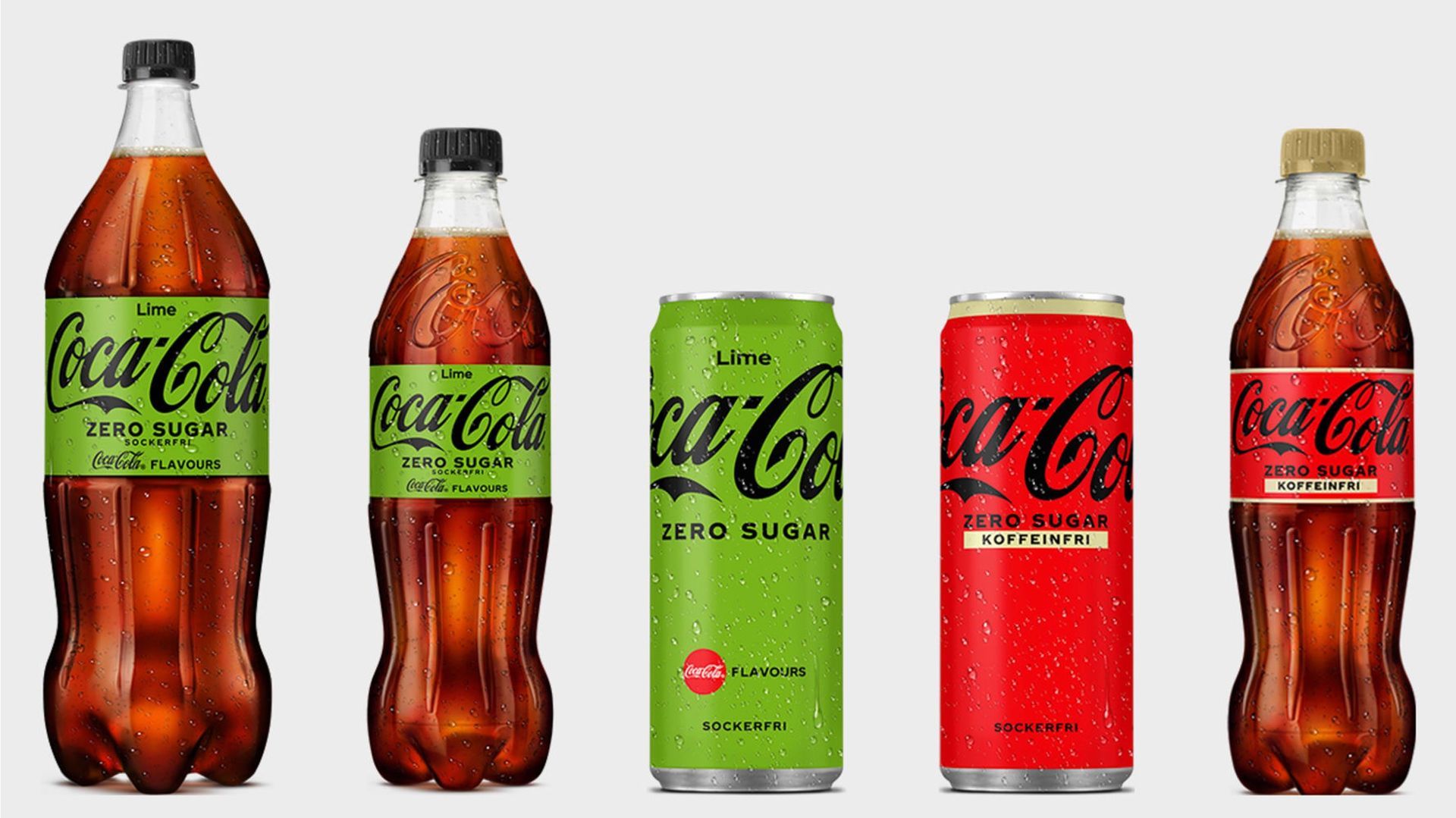
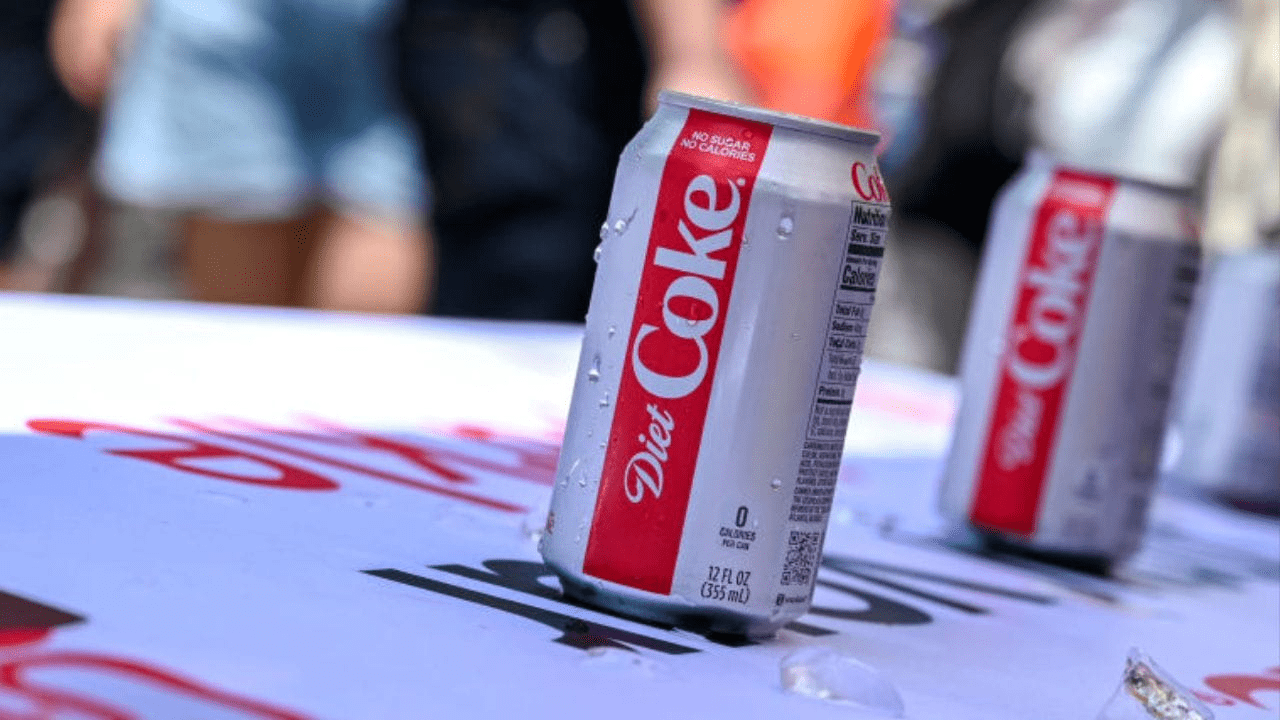
Coke Zero and Diet Coke eliminate the sugar crash issue, as they contain artificial sweeteners instead of sugar. However, they still contain caffeine, which can lead to dehydration and sleep disruption if consumed late or excessively. While they avoid the sugar problem, they are not a perfect solution for long-term healthy energy.
Can I drink Coke before an important gaming tournament?
It's generally not recommended to introduce new or high amounts of stimulants before an important event, as you might not know how your body will react under pressure. Stick to what you know works for you. If you rely on caffeine, a small, known dose from a reliable source like coffee or green tea might be safer than a sugary soda, but water remains the best default.
What are the signs of too much caffeine while gaming?
Signs of excessive caffeine intake include jitters, anxiety, increased heart rate, difficulty focusing, irritability, headaches, and sleep disturbances. If you experience these symptoms, especially during or after gaming, it's a clear indication to cut back on caffeine sources like Coke.
Temporary energy boost possible; potential for focus improvement; risk of caffeine crash and sugar jitters; dehydration concerns; long-term health risks; healthier hydration and energy alternatives are crucial.
34

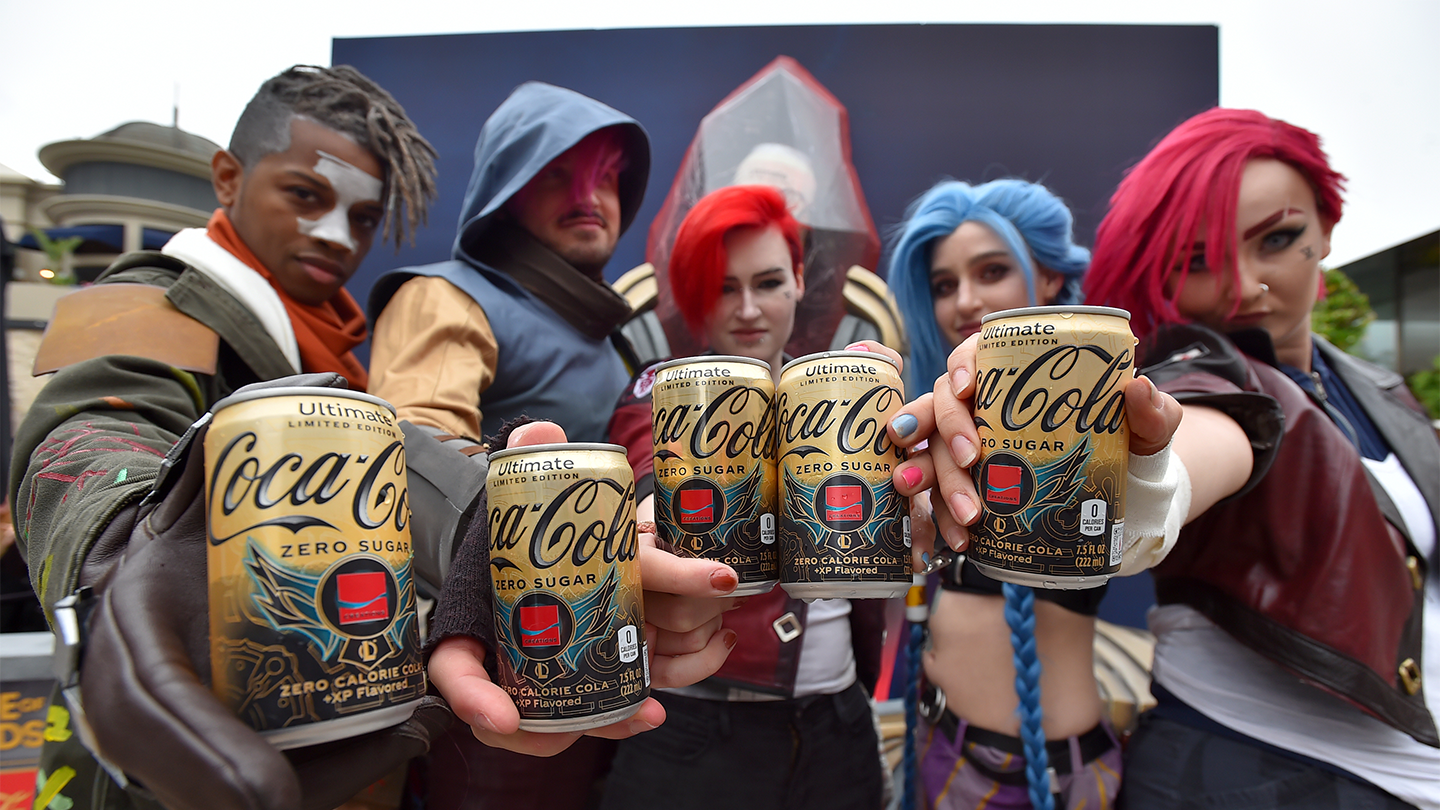

Coke S New Gamer Soda 5 Minute Gaming News YouTube . Coca Cola Games 2025 Cokes2025 . Coca Cola And Riot Games Launch Limited Edition Ultimate Zero Sugar Coca Cola League Of. Game On Coca Cola And Riot Games Team Up For Ultimate Flavor And Coca Cola Ultimate Zero Sugar Masthead . Coca Cola Games 2024 Full Coverage FBC News Click Here For Videos 1 640x373



Drink Up Riot Games Coca Cola Team Up On League Of Legends Inspired 1.fit . Coca Cola NCAA March Madness 2025 Sweepstakes Win A Free Trip To 2026 Coca Cola Ncaa March Madness Sweepstakes . Coca Cola 2025 PEZQCU Image 8 1024x576 . Brand Innovators FIFA World Cup Ad Tracker 2026 Brand Innovators Cocacola 2048x967 . Coca Cola Launches FIFA World Cup 2026 Campaign In Canada Image 63 2048x1014
Coke Zero Light 24x320ml BBD July 2026 Food Drinks Beverages On Cocacola Coke Collection 1767849833 00bbda02 Thumbnail . Diet Cherry Coke Returns Permanently In 2026 Here Is Why Coca Cola Is Image . Coca Cola Celebrate FIFA World Cup 2026 With Us Coca Cola REGION Fifa Hero Round Hub D . Gold Bond Touch Says Everything Wedding Commercial 286827 . Coke S Big Year 04 08 2026 Cocacola D5GgkIi



Xbox Cloud Gaming Is It Changing How We Play Forever . Coke Zero Caffeine New Flavors Coca Cola Zero Sugar Coke Zero Lime Caffeine Free Cola Zero.com 1920w . Coca Cola Launches FIFA World Cup 2026 Campaign In Canada 26TCCG028 FIFA CountryCans VShape 1920x1080px . Top 10 Most Anticipated Games Of 2026 What To Watch Out For TVN GAMES IN 2026 . Best Gaming Laptops At CES 2026 RTX 5090 Options Dual Screen Picks Lenovo Legion Pro Rollable Concept


Cal 2026 Coke Vintage Nostalgia Wall Coca Cola Books SL1500 . Coca Cola World Cup 2026 On Behance . Schedule 1 How To Make Coke Guide How To Get Coca Leaves And How To . FIFA World Cup 2026 Bottle Coca Cola Store 2139277 Bottle Image . Diet Coke Shortage India Summer 2026 The Global Aluminium Crisis Diet Coke



Hooters Calendar 2026 Release Date 2026 Video Game Release Dates Post Feature Image . 2026 Coca Cola Games To Be Held From 30th April To 2nd May . How Does Cocaine Addiction Work 2026 1721071147 454 How Does Cocaine Addiction Work . How Does Cocaine Addiction Work 2026 1721071147 673 How Does Cocaine Addiction Work . EA F1 26 Canceled 2026 Season Update Details 2026 Upcoming Games Release Dates


Coca Cola Logo 2024 . The 2026 Diet Coke Mania What S Behind The Frenzy. Coca Cola Gaming Brad Geiger Portfolio Coke Gaming . Explosi N En Planta De US Steel En Pensilvania Deja Un Muerto Dos 17502455 081125 Wpvi Pa Explosion Img