Dive into animating in Roblox Studio 2024 with this comprehensive guide for US gamers. Discover essential tools and techniques to bring your creations to life from basic character movements to complex cutscenes. Learn how to navigate the animation editor rig characters and publish your work ensuring your gaming projects stand out. This resource addresses common challenges like performance optimization and efficient workflows helping you maximize your creative output while balancing your busy life. Whether you are a beginner or looking to refine your skills this tutorial offers practical tips and tricks to master animation within Roblox Studio staying current with the latest features and best practices for engaging experiences. Elevate your game development journey today. This guide is tailored for gamers balancing life and work seeking creative outlets.
How do I start animating in Roblox Studio 2024 as a beginner?
Starting animation in Roblox Studio 2024 is straightforward. First, open Roblox Studio and create a new project or load an existing one. Insert a rig (like a 'Dummy' from the 'Rig Builder' plugin) or a custom character model into your workspace. Then, navigate to the 'Plugins' tab and click on the 'Animation Editor' button. Select your rig in the workspace, and the editor will open, ready for you to start creating keyframes and movements. It is critical to ensure your model is properly rigged with a Humanoid and Motor6D joints for the Animation Editor to function correctly.
What is the best way to rig a custom character for animation in Roblox Studio?
The best way to rig a custom character for animation in Roblox Studio involves ensuring all parts are connected with Motor6D instances. Start by grouping your character's parts into a Model. Insert a Humanoid object into the model and name one part 'HumanoidRootPart' and weld it to the Humanoid. Then, use the 'Rig Editor' plugin or manually create Motor6D joints between parent and child body parts (e.g., Torso to LeftArm, LeftArm to LeftForeArm). Proper rigging ensures all limbs move naturally and predictably during animation, which is crucial for realistic character actions that resonate with players.
Can I import animations from external software into Roblox Studio in 2024?
Yes, in 2024, you can import animations from external 3D software like Blender into Roblox Studio. You'll typically export your animated model or animation data in an FBX format. In Roblox Studio, you can use the 'Asset Manager' to import the FBX file, then convert the animation data into a Roblox animation asset. This allows advanced animators to leverage professional tools for complex movements and then seamlessly integrate them into their Roblox projects. Remember to match the bone structure in your external software to your Roblox rig for proper import and functionality.
What are Animation Events and how do I use them effectively for gameplay?
Animation Events are markers you can place on an animation timeline within the Animation Editor. These events fire a signal at specific points during the animation playback, which can be detected by your game scripts. They are incredibly useful for synchronizing sound effects, visual effects, or gameplay logic with character actions. For example, you can add an event when a character's foot hits the ground to play a footstep sound, or when a sword swings to register a hit. This precision enhances immersion and gameplay responsiveness, a key factor for engaging busy adult gamers.
How do I loop an animation in Roblox Studio for repetitive actions?
Looping an animation in Roblox Studio is simple and essential for repetitive actions like walking, running, or idle poses. When you create an animation in the Animation Editor, there's an 'Animation Priority' setting and a 'Loop' checkbox. Ensure the 'Loop' checkbox is enabled before saving and exporting your animation. When you load the animation into a script using 'Humanoid:LoadAnimation()', you can also specify `animationTrack.Looped = true`. This will make the animation play continuously until explicitly stopped, creating seamless, natural-looking cycles for your characters.
What are common animation errors in Roblox Studio and how do I fix them?
Common animation errors in Roblox Studio include parts not moving, jerky movements, or characters T-posing. Parts not moving often indicates a rigging issue, like missing or incorrectly configured Motor6D joints, or a detached 'HumanoidRootPart'. Jerky movements can stem from insufficient keyframes, incorrect easing styles, or overlapping animations. T-posing usually means an animation failed to load or play correctly. To fix these, meticulously check your rig for proper connections, ensure your keyframes are spaced appropriately, and verify that animation tracks are loaded and played with correct priorities in your scripts. The Output window in Studio often provides helpful error messages.
How can I animate UI elements in Roblox Studio to make my game interfaces more dynamic?
Animating UI elements in Roblox Studio is done using TweenService, not the Animation Editor directly, as the editor is for 3D rigs. TweenService allows you to smoothly interpolate properties of GUI objects (like position, size, transparency, color) over a set duration. You define the starting and ending states, the duration, and an easing style. This enables you to create dynamic buttons, fading menus, or popping-up notifications, making your game's user interface more engaging and responsive. Scripting tweens for UI enhances the overall polish and user experience, which is highly valued by players seeking high-quality, immersive games.
Hey fellow gamers! Ever played a Roblox game and marveled at the fluid character movements or dynamic cutscenes, thinking 'I wish I could make something like that?' You're not alone. Many of us, balancing jobs, families, and life's endless quests, find joy and relaxation in gaming. Roblox Studio isn't just a platform to play; it's a creative sandbox where you can build your own worlds and experiences. And bringing those worlds to life means animating them. In 2024, with its continuous updates, diving into how to animate in Roblox Studio 2024 can seem daunting, especially if you're juggling limited gaming time with other responsibilities. But what if I told you it's entirely achievable and incredibly rewarding? This guide is designed for you—the busy adult gamer who wants to level up their creative skills without getting bogged down by technical jargon or endless tutorials. We'll cut through the noise, offering practical, actionable advice to get your Roblox characters moving smoothly and expressively. By the end, you'll have the confidence to animate like a pro, making your games more engaging and fun for everyone, including that 87% of US gamers who play regularly and average over 10 hours a week, often on mobile! Let's conquer the world of Roblox animation together, transforming your game ideas into vibrant realities.
The US gaming landscape in 2024 continues to evolve, with social interaction and creative expression being key drivers. Mobile gaming remains dominant, and cross-play between PC and console is more seamless than ever. This means creators need animations that look good and perform well across all devices. We'll address these performance considerations throughout our guide, ensuring your animations contribute to a smooth, enjoyable experience, even for players on the go.
What Exactly is Animation in Roblox Studio?
Animation in Roblox Studio is the process of bringing static 3D models to life by creating a sequence of images or frames that, when played quickly, give the illusion of movement. It's how characters walk, objects interact, and visual effects happen within your game. Think of it as choreographing a performance for your game's actors and props. This capability is fundamental to creating immersive and engaging experiences that keep players coming back. Without animation, your games would feel static and lifeless, failing to capture the dynamic essence that gamers, especially busy ones looking for engaging relaxation, truly seek.
Roblox Studio's built-in Animation Editor is a powerful tool designed to make this process accessible. It allows you to manipulate parts of a model over time, recording their positions and rotations at specific keyframes. The system then interpolates, or smoothly transitions, between these keyframes to create continuous motion. This intuitive approach helps creators, regardless of their animation background, craft anything from a simple wave to a complex combat sequence, directly within the development environment.
How Do I Set Up My Character or Model for Animation in 2024 Rigging Essentials?
Before you can animate anything, your character or model needs to be properly
Easy Animation Editor navigation Rigging and character setup Keyframe creation and timing Advanced animation techniques Publishing animations Best practices for smooth gameplay Optimizing animations for performance Troubleshooting common issues Creative use of animation for storytelling
35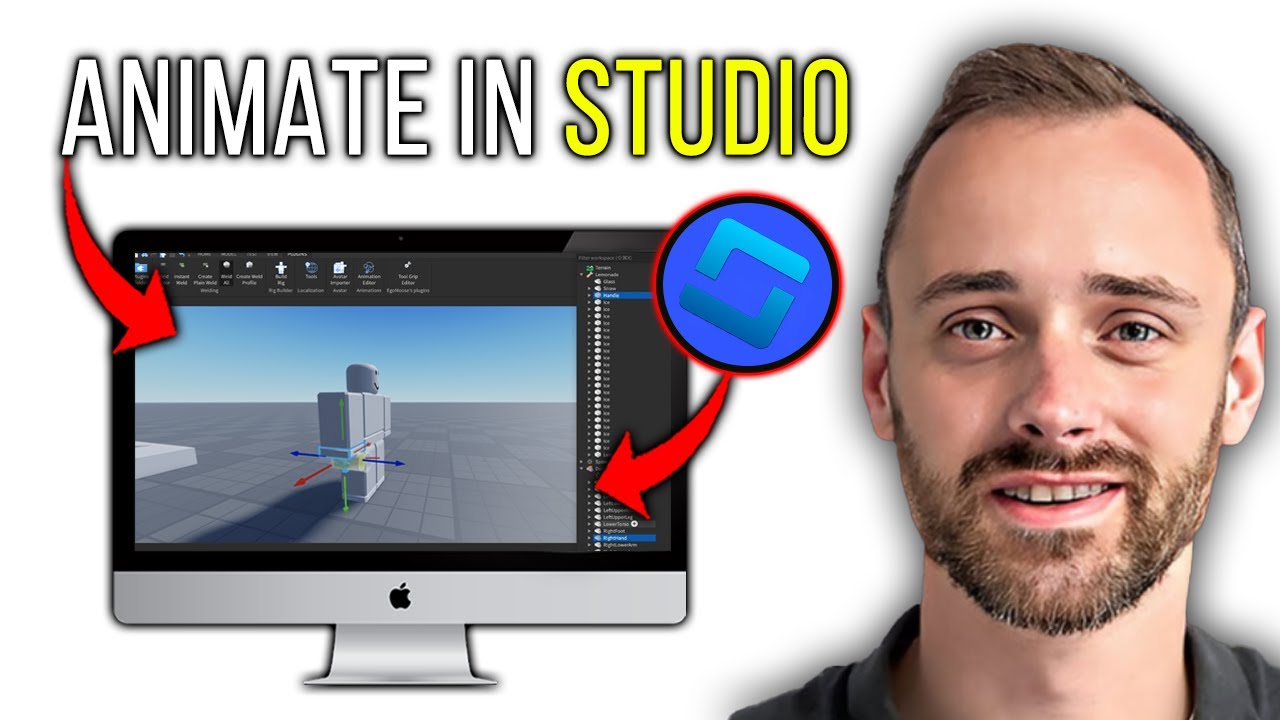
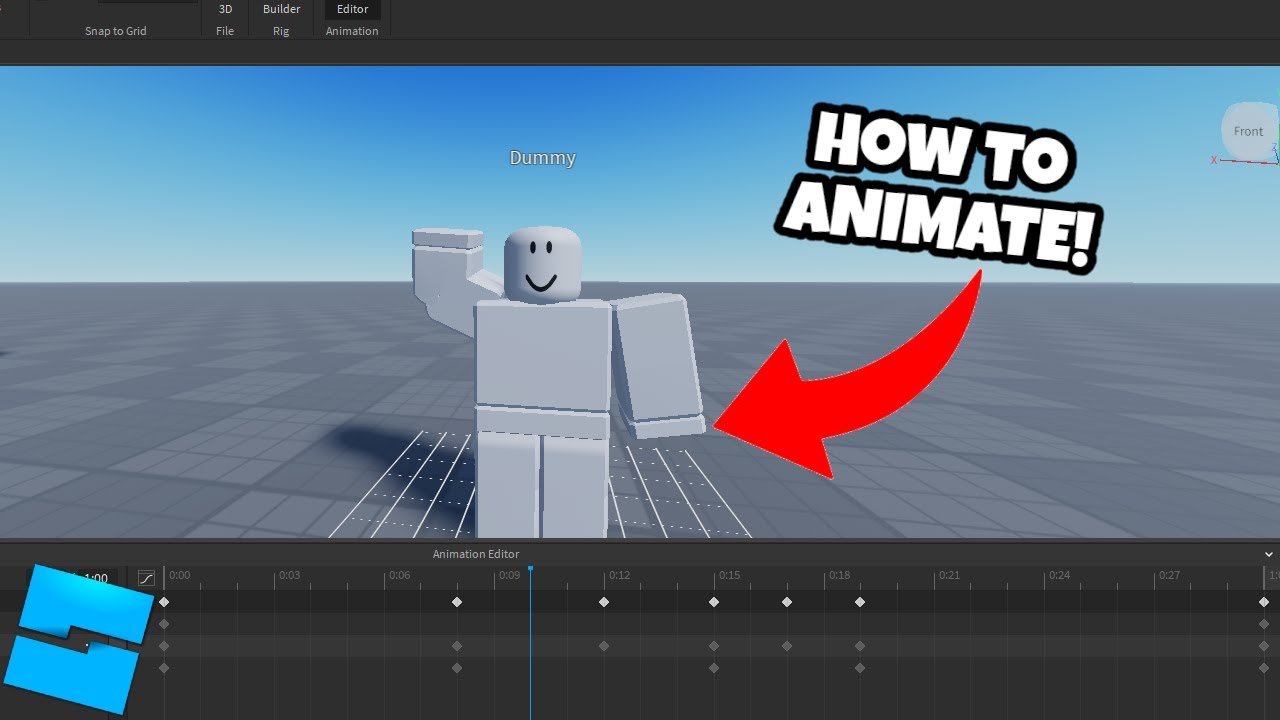


How To Animate In Roblox Studio Quick Guide YouTube . Animating Two Rigs In Roblox Studio A Simple Guide . Animating Two Rigs In Roblox Studio A Simple Guide 2 690x400 . How To Animate In ROBLOX STUDIO 2023 YouTube . Animating Two Rigs In Roblox Studio A Simple Guide


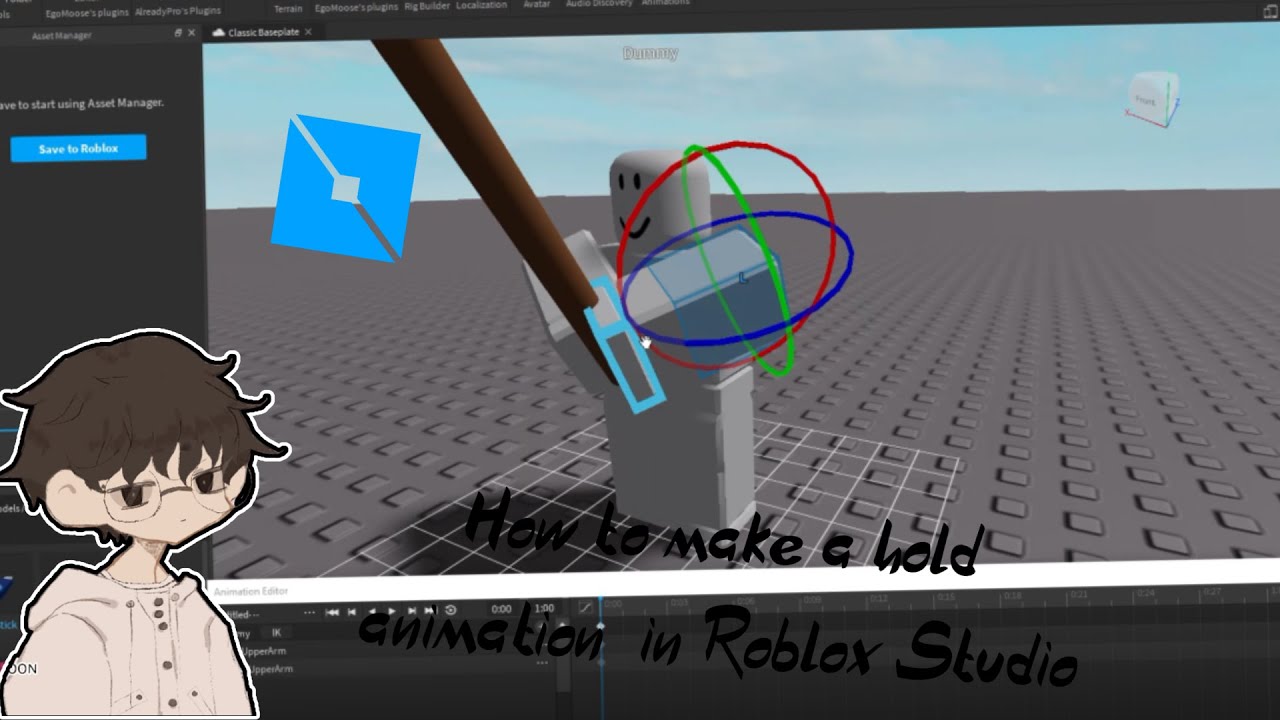
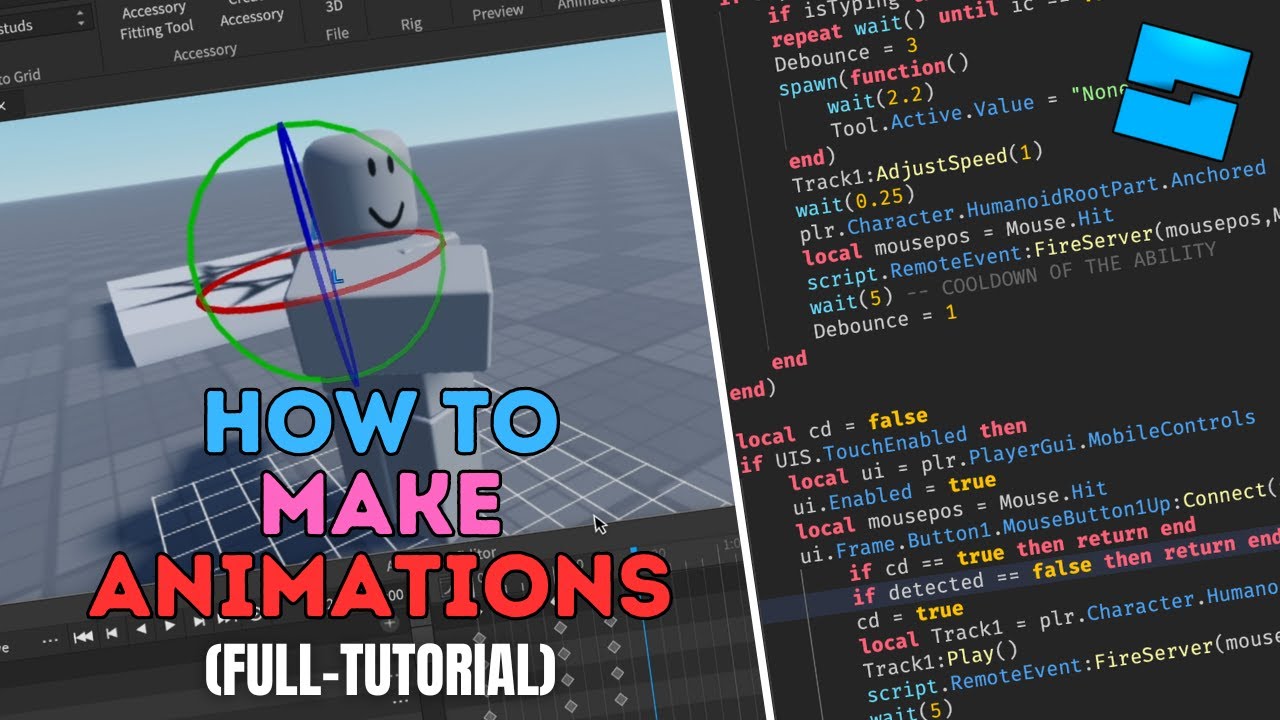
How To ANIMATE In ROBLOX Studio EASY YouTube . Animating Two Rigs In Roblox Studio A Simple Guide . How To Set Up Animations Tutorial Roblox Studio Animation Spoofer . Animating Two Rigs In Roblox Studio A Simple Guide . How To Make Animations In Roblox Studio FULL TUTORIAL YouTube
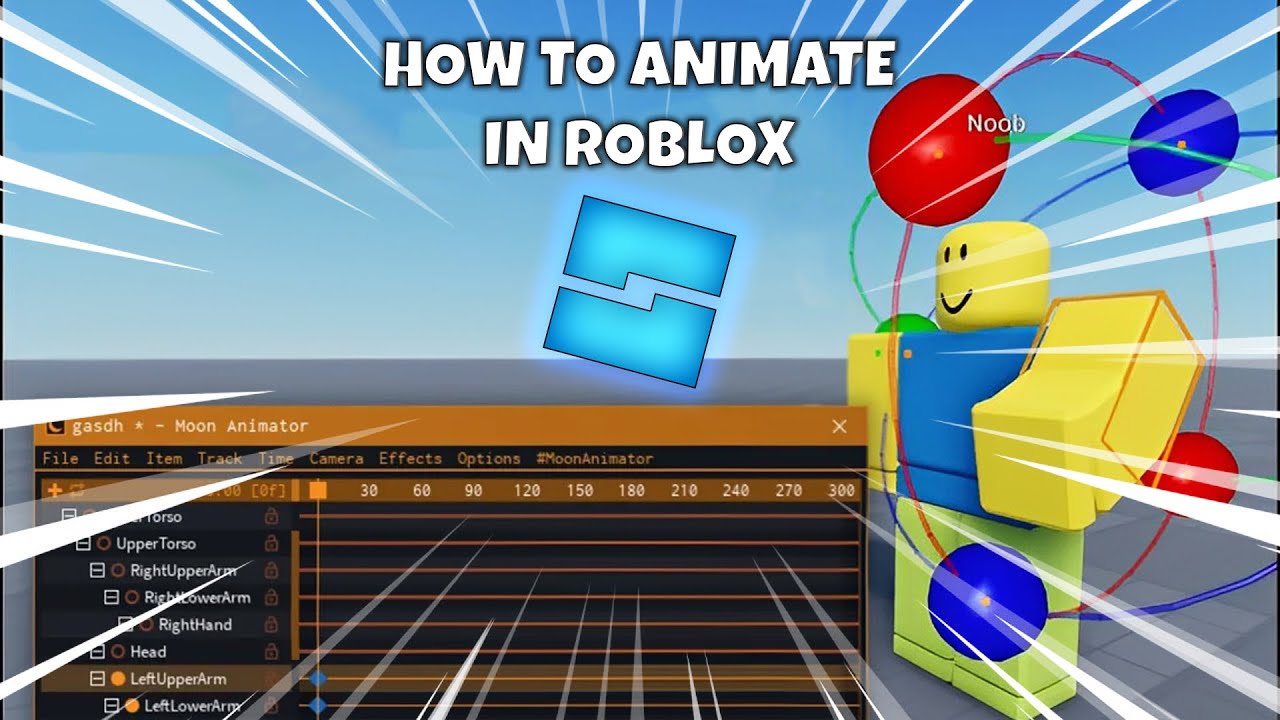

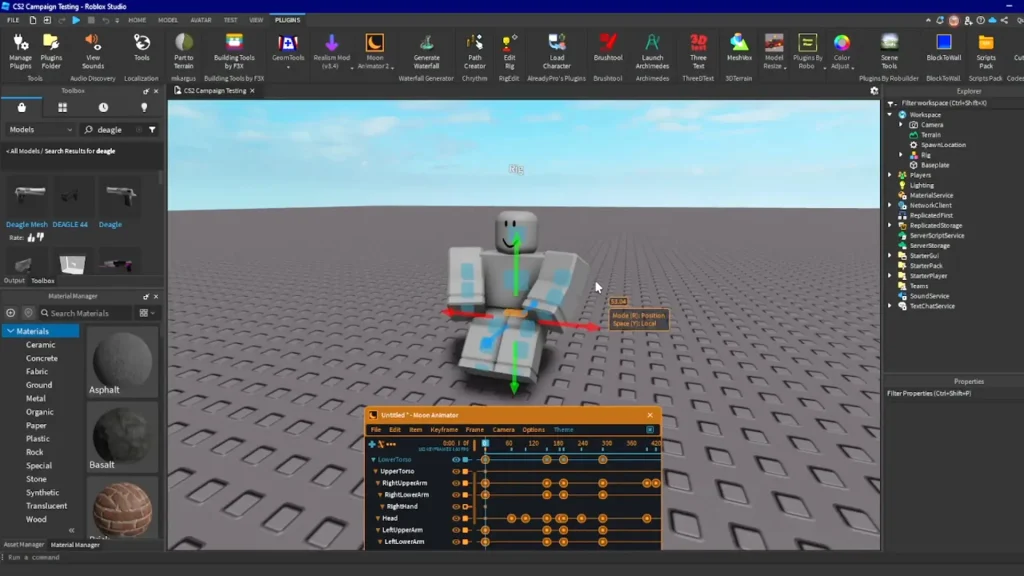
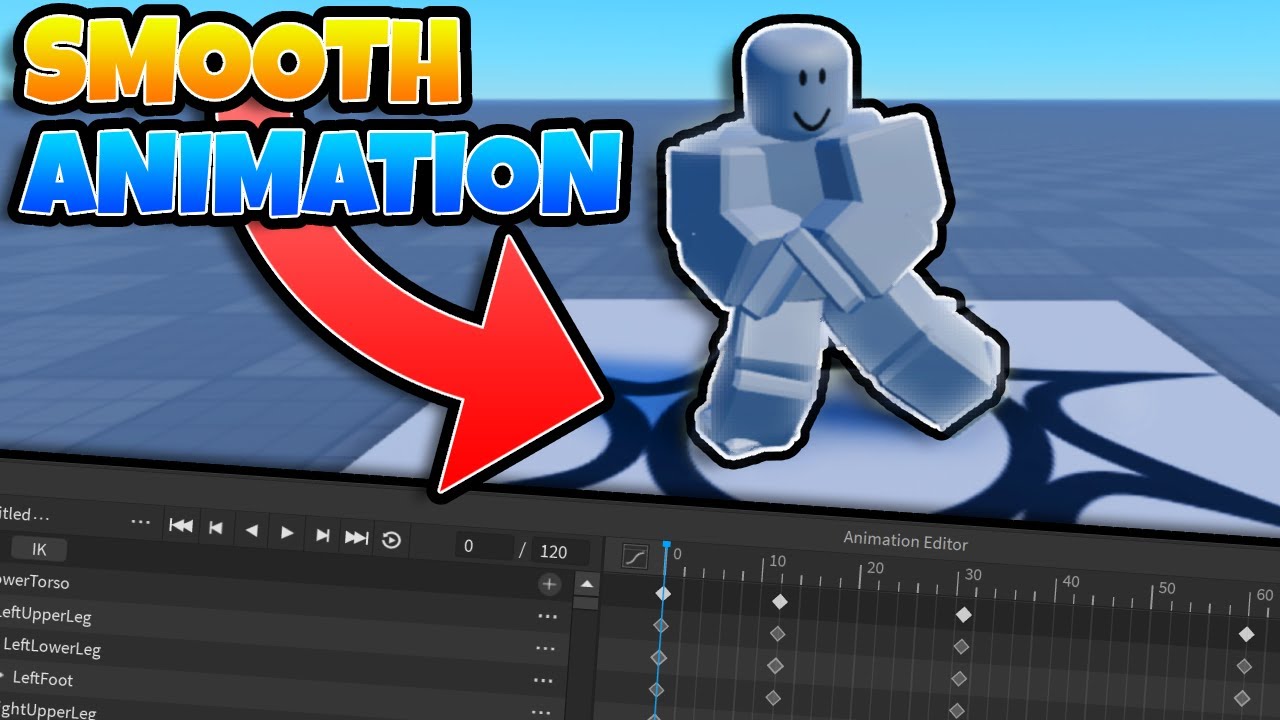
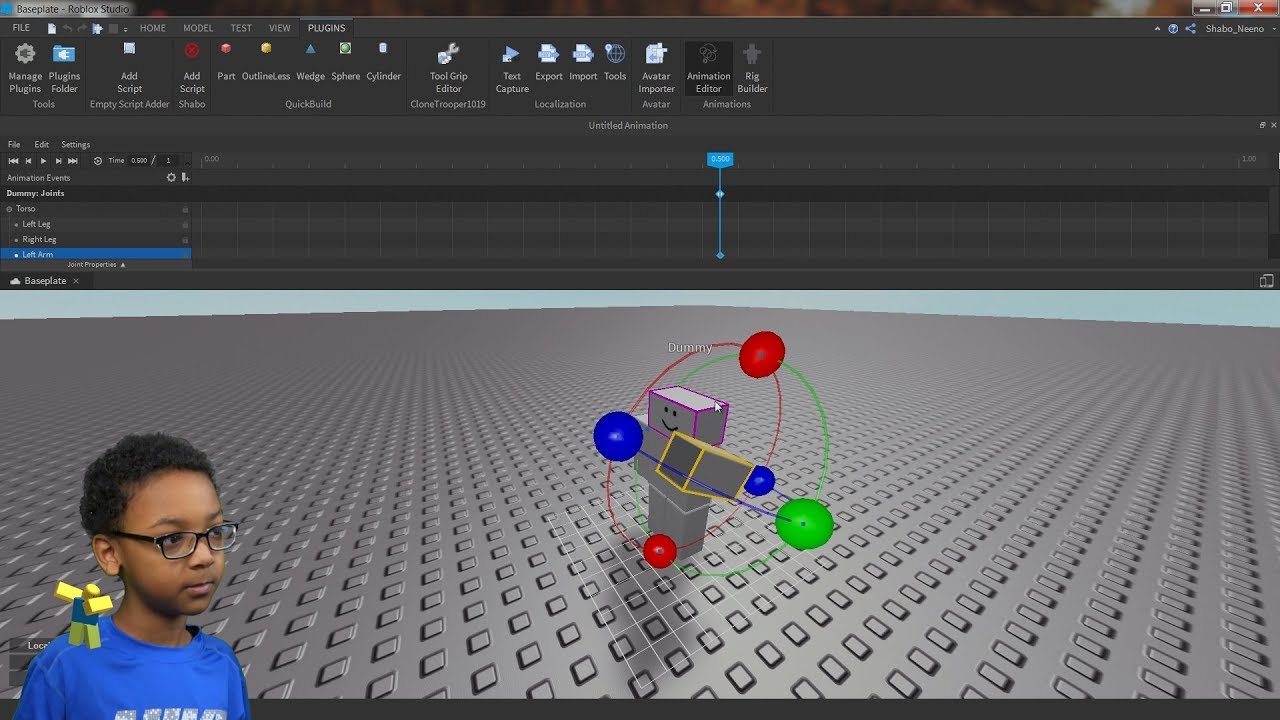
How To Animate In Roblox Studio MAKE CUTSCENES YouTube . How To Use Animation Editor Roblox Studio YouTube . 2024 2025 Global Release Date Event Calendar Of Delta Force Game 282 Cover. How To Make Your Own Animation Roblox Studio At Darlene Whitely Blog . How To Change Animations In Roblox Studio YouTube


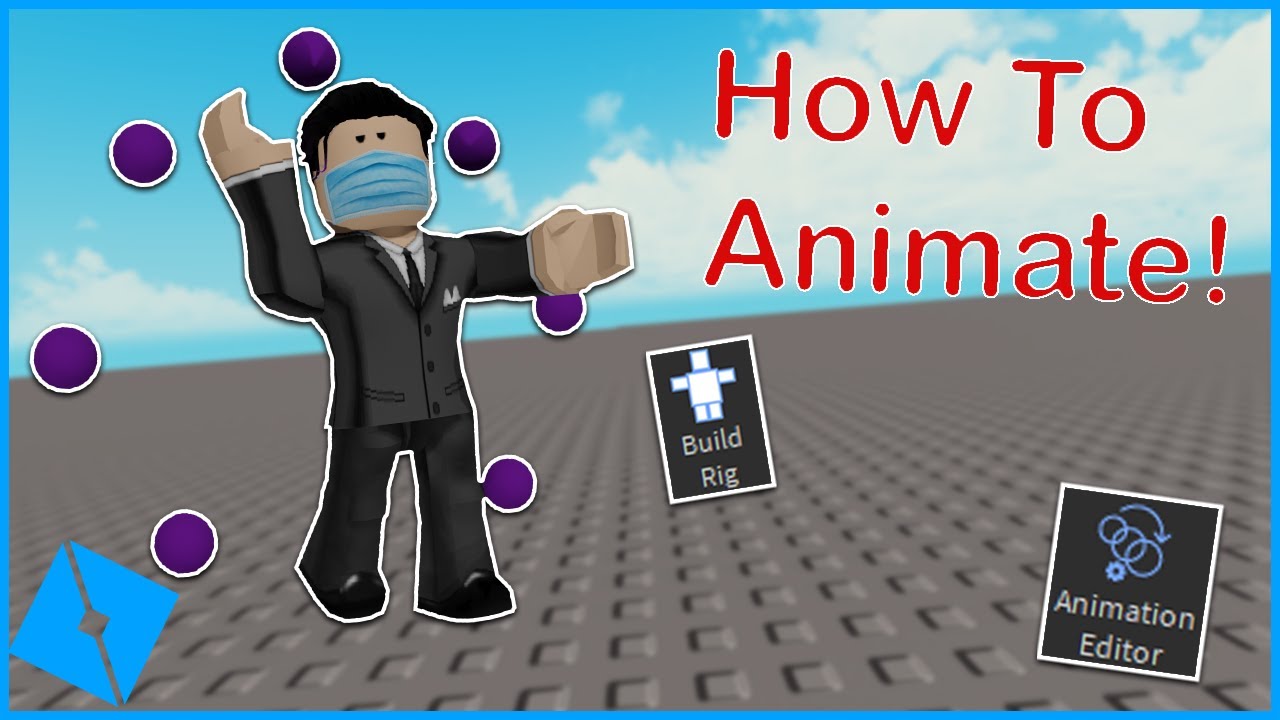

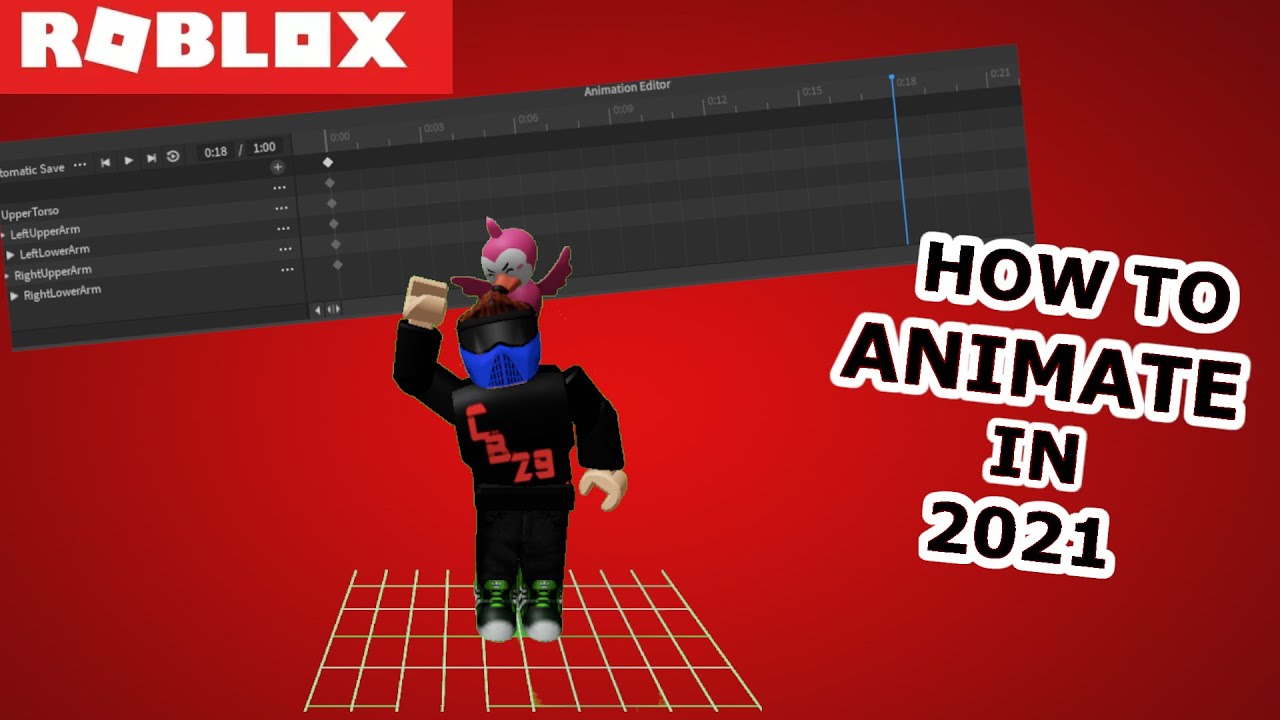
How To Use The Animation Editor In Roblox Studio YouTube . How To ANIMATE In Roblox Studio 3D Print Custom Roblox Figure Toys Image 3 1536x960 . Animating Two Rigs In Roblox Studio A Simple Guide . How To ANIMATE MODELS In Roblox Studio In 5 Minutes YouTube . HOW To ANIMATE In ROBLOX STUDIO In 2021 YouTube
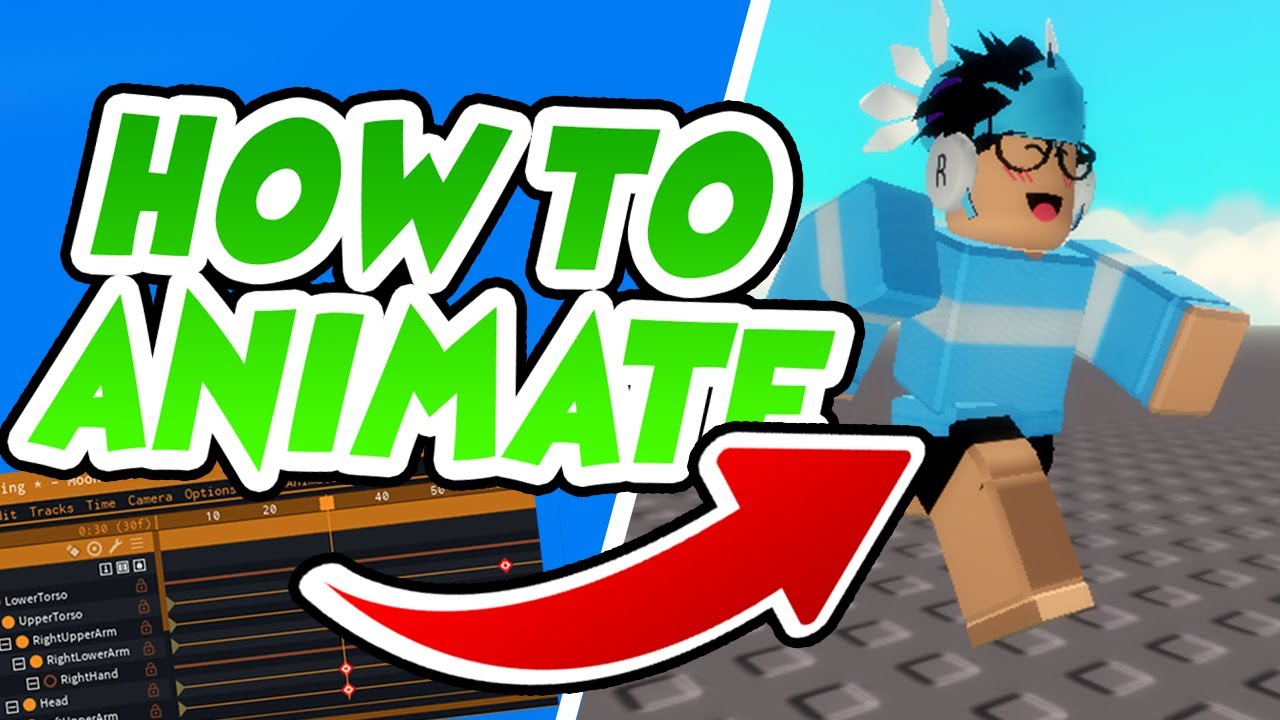


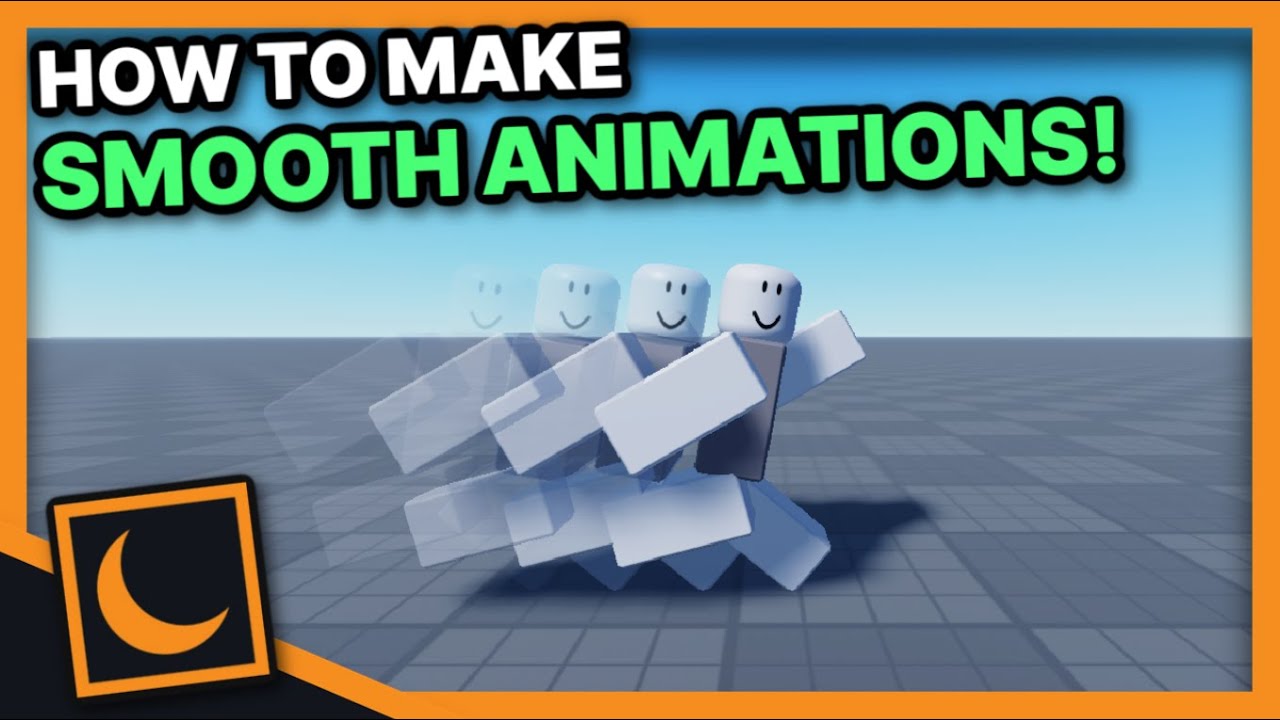
Roblox Animation Unleash Your Creativity . How To Animate 2 RIGS In Blender Import To Roblox Studio YouTube . Animating Two Rigs In Roblox Studio A Simple Guide . How To Add Video In Roblox Studio At Phillip Dorsey Blog . Unlocking Roblox Animation Power With Moon Animator Up To Date 2026


How To Animate A Custom Model In Roblox Studio In 2019 YouTube . Roblox Studio Logo . Code Your Dream Roblox Studio In 2024 Use Roblox Studio Step 6 . Animations Blender To Roblox Made Easy . Making Roblox Animations Your Creative Journey Image 11 1536x864


How To Make Animations Play In Game ROBLOX STUDIO TUTORIAL YouTube . Animate Anything Auto Rig And Animate 3D Models Community Tutorials . Tutorial How To Make Animation In Roblox Studio YouTube . Roblox Studio How To Animate Roblox Character In Blender YouTube . Animating Two Rigs In Roblox Studio A Simple Guide Hqdefault