Embark on an exciting journey into the world of Roblox game creation. This comprehensive guide will navigate you through every essential step from initial concept to a published playable experience, ensuring you grasp the fundamentals of Roblox Studio and effective game design. For US gamers balancing work and family, learning how to make a Roblox game offers a fantastic outlet for creativity and even potential income. Discover tips for efficient development, performance optimization, and engaging your audience without sacrificing precious time. Understand the tools, scripting basics, and monetization strategies that can turn your game idea into a trending hit. Whether you are a seasoned gamer looking for a new challenge or a beginner eager to build, this resource provides actionable insights and practical solutions for common development hurdles, ensuring your path to becoming a Roblox developer is smooth and rewarding. Dive deep into the nuances of Roblox game development, exploring everything from visual scripting to advanced Lua programming, all designed to help you create captivating virtual worlds that resonate with players. This detailed resource will help you craft captivating experiences for the vast Roblox community.
How do I start making a Roblox game if I am a complete beginner?
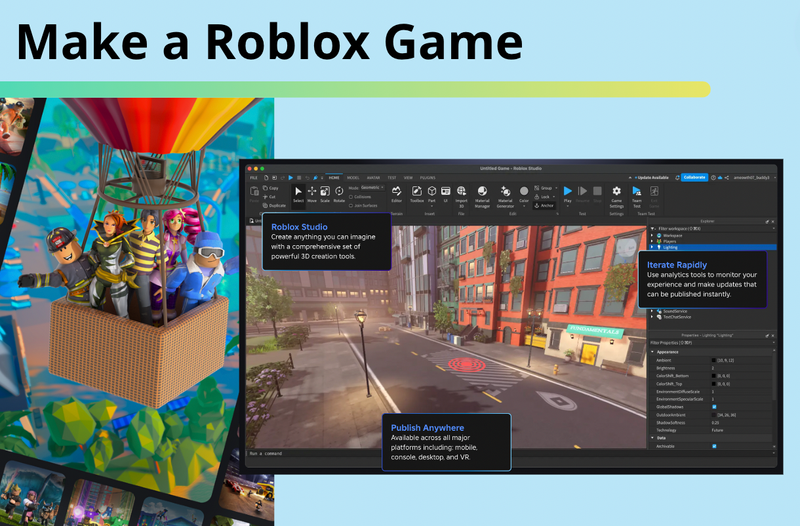
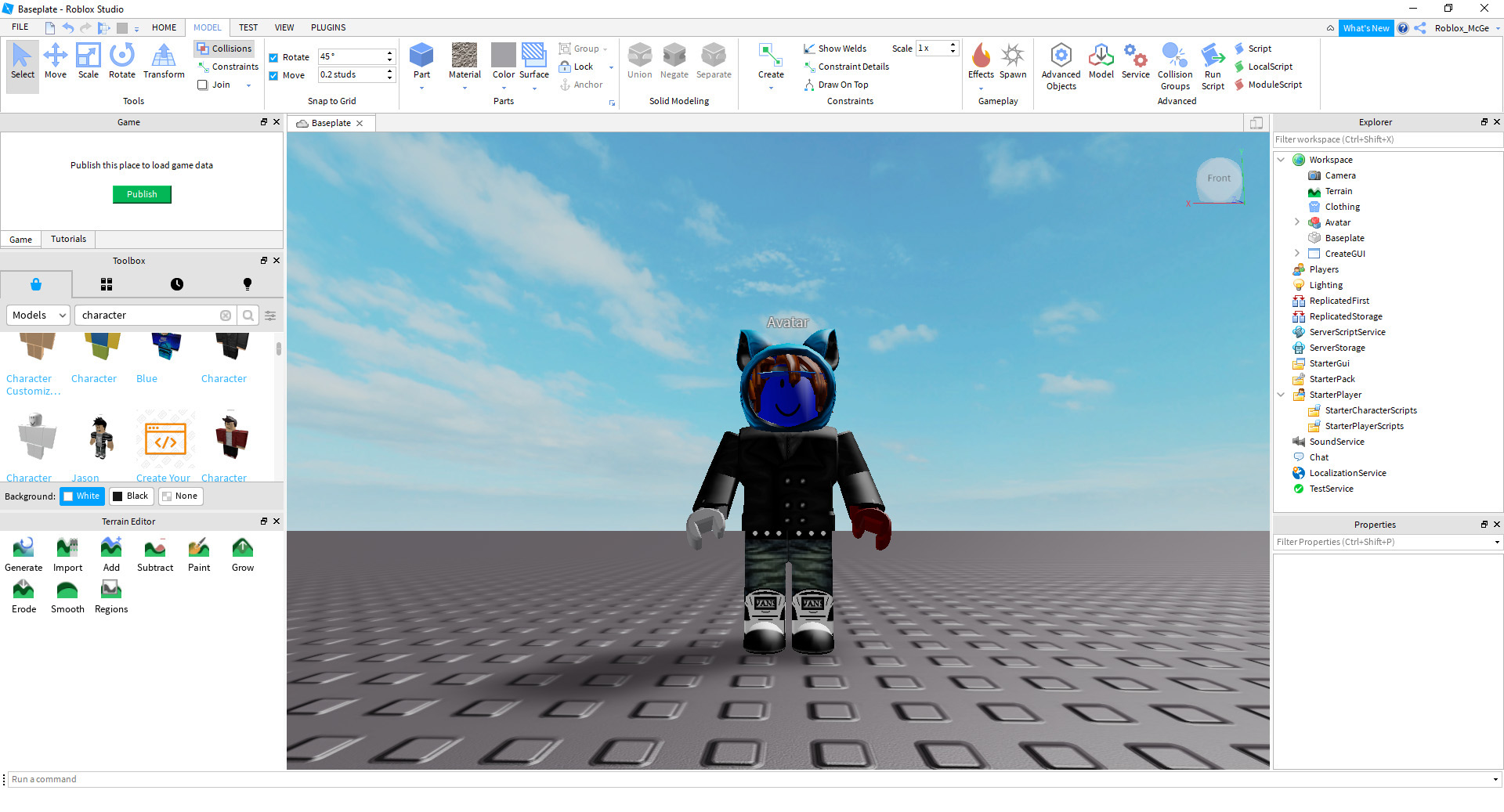
Getting started with Roblox game development is surprisingly accessible, even for total beginners. The best first step is to download Roblox Studio, which is the free, integrated development environment where you'll build your games. Focus on learning the interface: how to navigate the workspace, add basic parts, and use the toolbox for pre-made assets. Many gamers, especially those balancing life and work, find success by experimenting directly in Studio rather than getting bogged down in complex theory first. Think of a simple idea, like a basic obstacle course or a small house, and try to build it using the intuitive tools available. There are tons of official tutorials and community guides online that walk you through your very first project, making the initial learning curve gentle.
What scripting language does Roblox use and how can I learn it quickly?
Roblox primarily uses Lua, a lightweight, powerful, and relatively easy-to-learn scripting language. For gamers looking to add dynamic elements to their games, understanding Lua is crucial. To learn it quickly, focus on practical applications within Roblox Studio. Start with basic commands like printing text, changing part properties (color, size), and creating simple events (like a button that teleports a player). Many online resources, including the official Roblox Creator Hub, offer interactive Lua tutorials tailored for game development. Consider dedicating short, focused sessions to scripting each week. Over 87% of US gamers play regularly, often fitting gaming into busy schedules, so applying that same discipline to learning Lua can yield fast results without feeling overwhelming. Look for "Lua for Roblox" specific courses or YouTube series that break down concepts into bite-sized, actionable lessons.
Can I make money from creating games on Roblox?
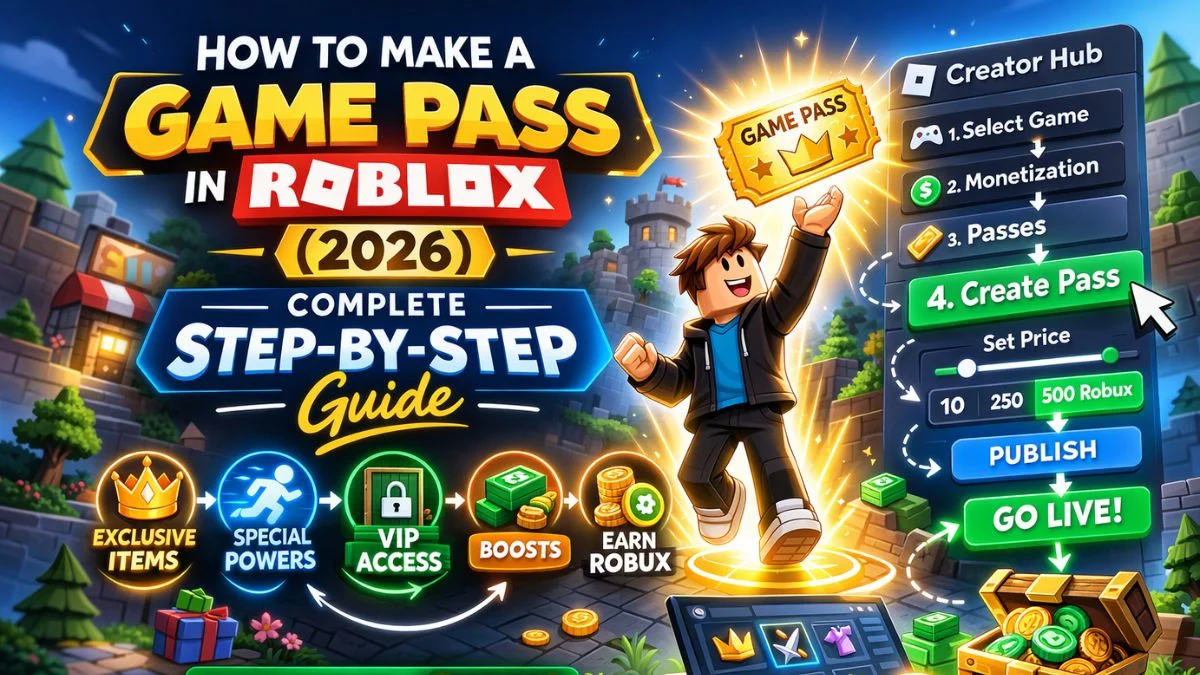
Yes, absolutely! Making money from Roblox games is a significant draw for many developers. The primary method is through Developer Exchange (DevEx), where you can convert earned Robux into real-world currency. You earn Robux when players buy Game Passes, Developer Products (one-time purchases), or Premium Payouts (based on how long Premium subscribers play your game). Success hinges on creating engaging games that keep players returning and willing to spend. Many adult gamers, keen on maximizing their time and potentially generating passive income, see Roblox as a viable platform. While it requires dedication and a quality product, the potential for monetization is real. Focus on creating value for your players, and the financial rewards often follow. It's not a get-rich-quick scheme, but consistent effort can lead to substantial earnings over time.
What are the essential tools within Roblox Studio for a new developer?
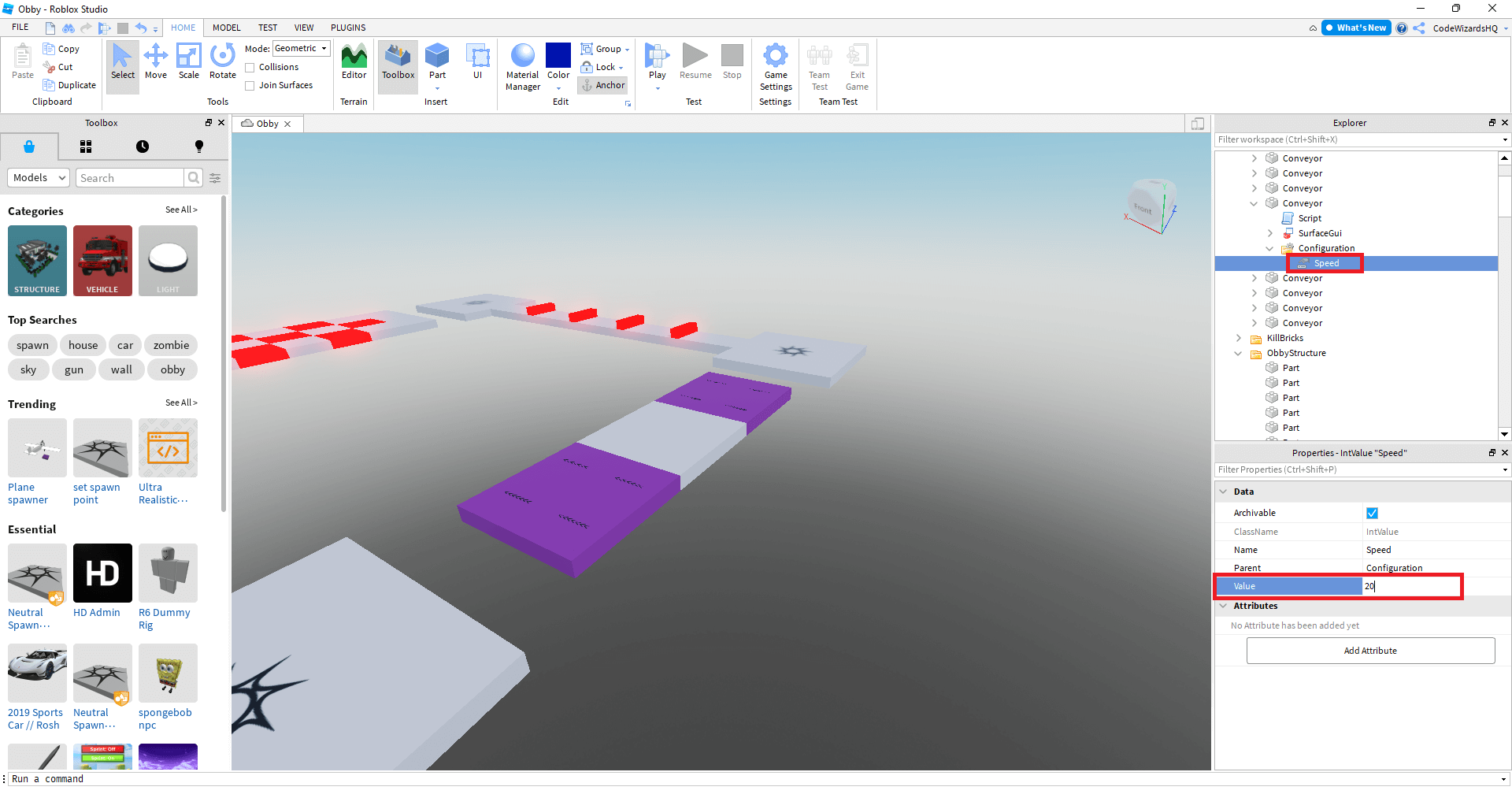
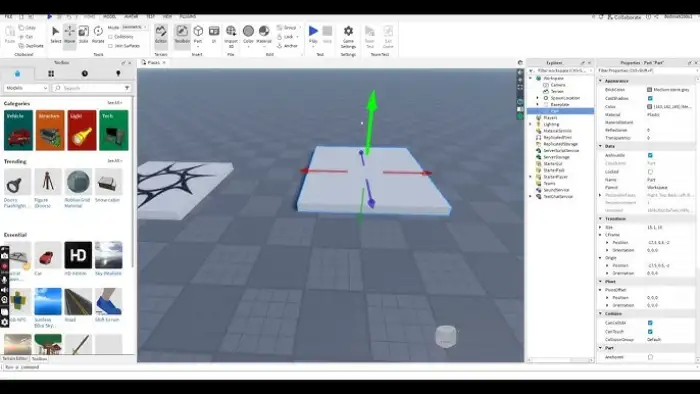
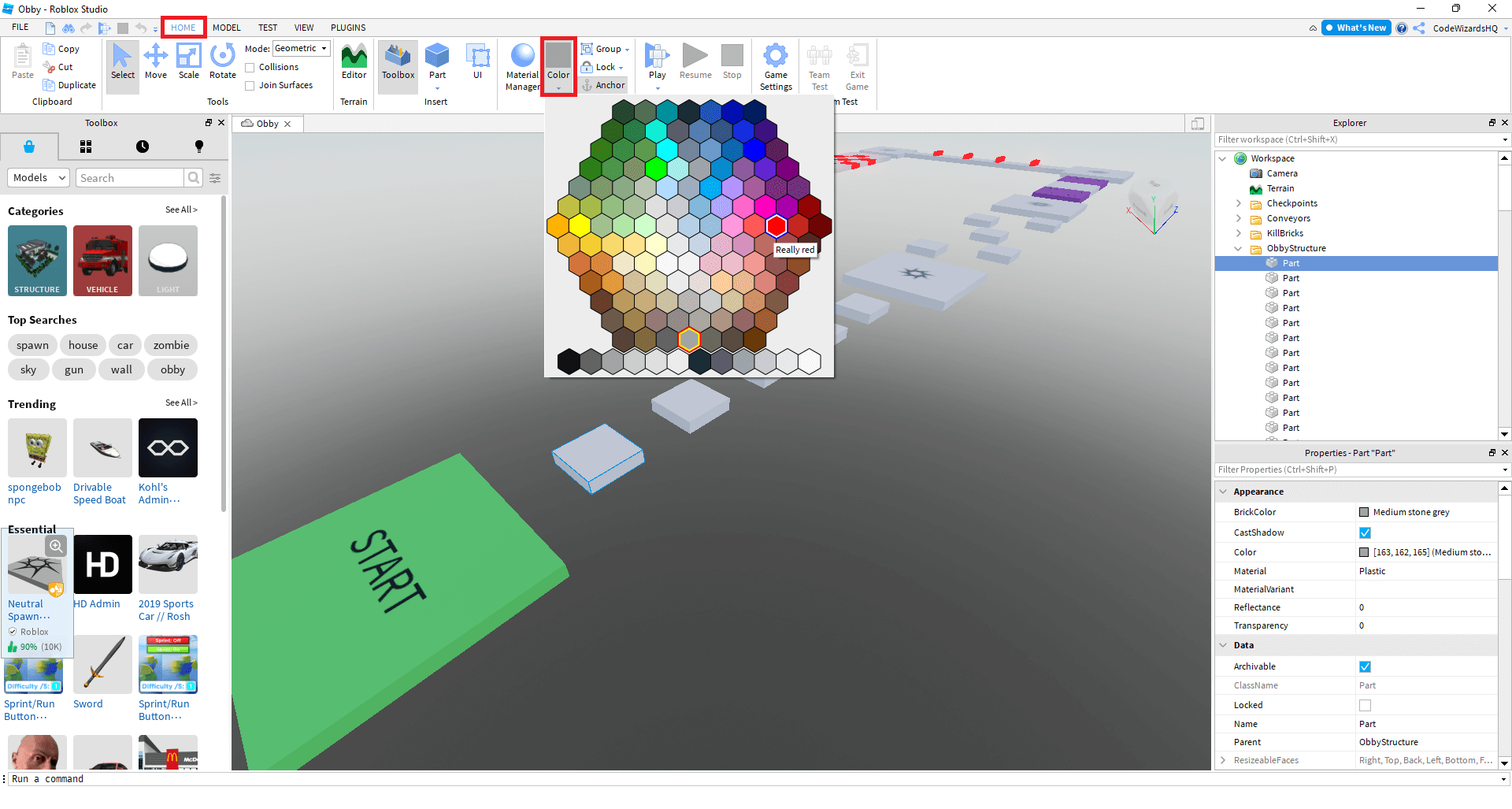
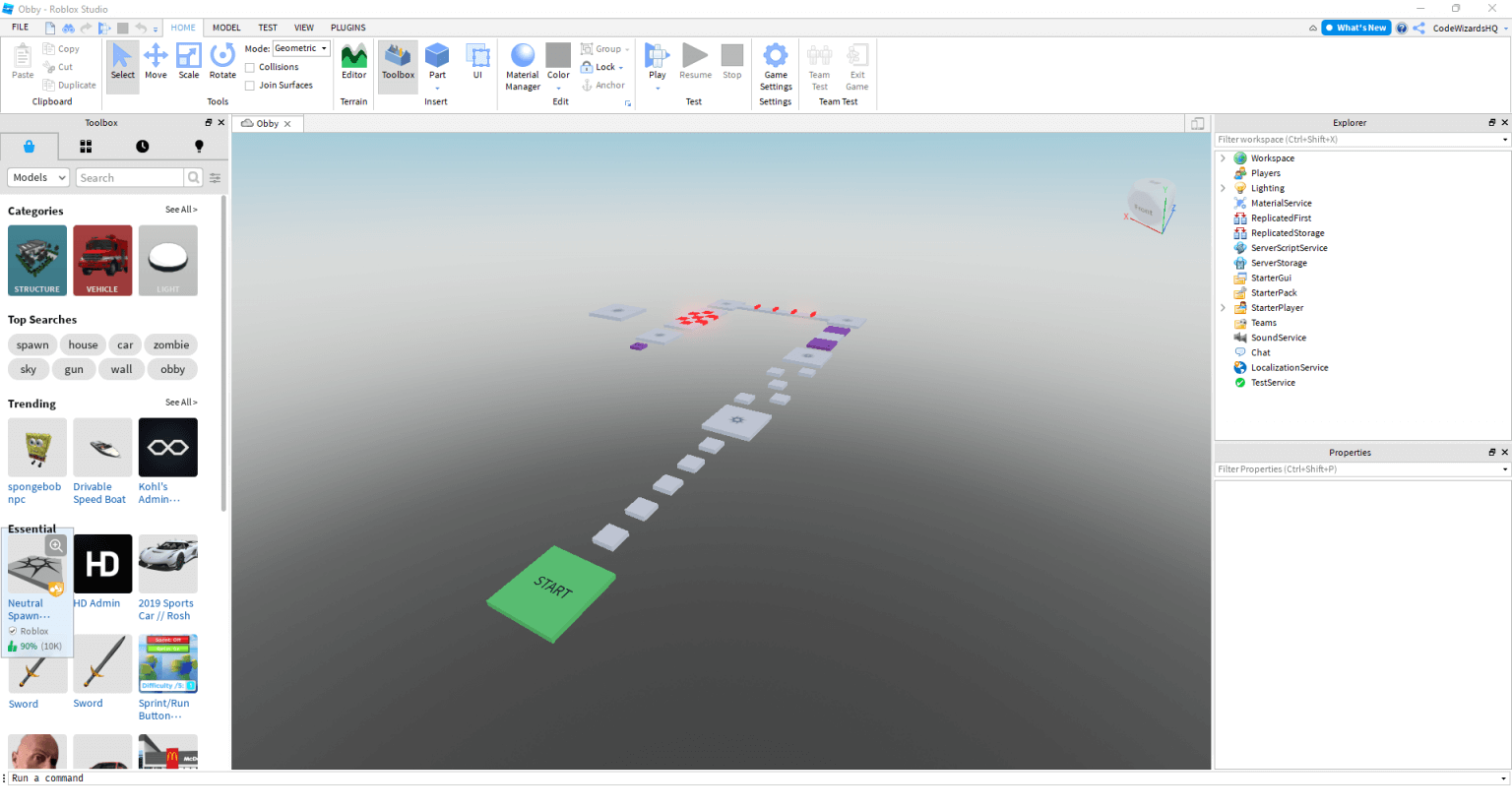
Roblox Studio is packed with powerful tools, but new developers should prioritize mastering a few core ones. The 'Explorer' window is vital for seeing and organizing all the objects in your game, while the 'Properties' window allows you to customize their attributes like color, size, and position. The 'Toolbox' is a treasure trove of free models, scripts, and audio created by other developers, perfect for quick prototyping or learning. For building, the 'Move', 'Scale', and 'Rotate' tools are fundamental. Don't overlook the 'Output' window for debugging scripts or the 'Test' tab for playing your game in Studio. Learning these tools systematically will empower you to bring your creative visions to life without feeling overwhelmed by the sheer number of options.
How can I make my Roblox game engaging and fun for players?
To make your Roblox game engaging and fun, focus on core game design principles that resonate with players of all ages, including the average adult gamer. Start with a clear core loop: what do players do repeatedly, and how is it rewarding? Introduce progression, whether through unlocking new areas, earning currency, or gaining new abilities. Social interaction is key for US gamers, with trends showing a strong preference for social play; incorporate multiplayer elements, leaderboards, or collaborative goals. Provide variety through different game modes, challenges, or aesthetic customization. Offer a sense of accomplishment and mastery. Think about popular current trends like cozy games or skill-based challenges and how you can adapt elements to your concept. Regular updates, community feedback, and listening to your players are also crucial for long-term engagement.
What are common mistakes new Roblox developers make and how can I avoid them?
New Roblox developers often fall into a few common traps. One major mistake is trying to build something overly ambitious as a first project; start small and achievable. Another is neglecting to test their game thoroughly from a player's perspective, which leads to bugs and poor user experience. Over-reliance on free models from the Toolbox without understanding how they work can introduce security vulnerabilities or performance issues. Many also forget about optimizing their game, leading to lag, especially for players on mobile devices or older PCs. To avoid these, begin with a minimalist viable product, test constantly, learn basic scripting even if using free assets, and regularly check performance metrics in Studio. Prioritizing playability and stability over complex features in early stages will create a much better foundation.
Where can I find resources and support for Roblox game development?
Roblox offers a wealth of resources and support for developers. The official Roblox Creator Hub is your go-to for comprehensive documentation, tutorials, and guides covering everything from basic building to advanced scripting. YouTube is another incredible resource, with countless channels dedicated to Roblox Studio tutorials, often demonstrating specific techniques or project builds. The Roblox Developer Forum is an active community where you can ask questions, share your work, and get feedback from experienced developers. Discord servers for Roblox development are also popular for real-time help and networking. Don't forget platforms like DevForum, Stack Overflow (for general Lua questions), and various independent tutorial websites. These communities and official resources ensure that you're never truly stuck and can always find help when facing a development challenge.
Are you one of the millions of US gamers who loves diving into virtual worlds, but secretly harbors a dream of building your own? Perhaps you spend your evenings balancing a demanding job and family life, and while gaming offers that much-needed escape, a part of you wonders about unleashing your own creativity. You're not alone. With 87% of US gamers regularly engaging in their hobby, averaging over 10 hours a week, and mobile gaming continuing its dominance, platforms like Roblox are more relevant than ever. But the idea of learning how to make a Roblox game can feel daunting, a huge time commitment that busy adults just don't have. Setup issues, complex coding, and the fear of creating something that no one plays are common pain points. What if you could turn that passion into a playable reality, creating a fun, engaging experience for others, and even earn a bit of Robux along the way, all without sacrificing your precious free time or breaking the bank on expensive software?
This comprehensive guide is designed for exactly you: the dedicated gamer who wants to explore game development on Roblox Studio but needs a practical, no-nonsense roadmap. We'll cut through the hype and provide actionable solutions to kickstart your journey. We understand you value relaxation, skill-building, social play, and getting good value for your time and money. That’s why we’ll focus on streamlined methods, budget-friendly approaches, and smart strategies to help you navigate the Roblox development landscape. From the very first steps of downloading Roblox Studio to understanding essential tools, basic scripting, and even monetization, we’re here to show you how to make a Roblox game that truly stands out. Let's transform your gaming passion into a powerful creative outlet, together.
How Can Busy Gamers Start Making a Roblox Game Without Overwhelm?
Starting any new creative endeavor can feel like climbing Mount Everest, especially when you're balancing work, family, and other life commitments. For the average US gamer around 36 years old, time is a precious commodity. The key to learning how to make a Roblox game without feeling overwhelmed is to break it down into manageable, bite-sized chunks. Forget about building the next "Adopt Me!" on your first try. Instead, aim for a "minimalist viable product" – a simple game concept that can be completed quickly.
Your first step should always be to download and install Roblox Studio, which is completely free. This is your primary development environment. Dedicate just 30-60 minutes a few times a week to explore its interface. Start by learning how to navigate the 3D workspace, add basic shapes (known as "Parts"), and manipulate them using the 'Move', 'Scale', and 'Rotate' tools. Don't worry about scripting yet. Many successful developers began by just building static environments. This hands-on experimentation builds muscle memory and familiarity, making the more complex aspects feel less intimidating when you get there.
What Are the Absolute Essentials I Need to Know in Roblox Studio?
Roblox Studio can look intimidating with all its windows and buttons, but a few core features will be your best friends. Mastering these will give you a solid foundation for learning how to make a Roblox game effectively:
- Explorer Window: This is your game's hierarchy. It lists every object in your game, from parts and models to scripts and lights. Learning to navigate and organize this window is crucial for keeping your projects tidy.
- Properties Window: Select any object in the Explorer, and its customizable attributes (color, size, position, transparency, etc.) appear here. This is where you fine-tune the appearance and behavior of almost everything in your game without writing a single line of code.
- Toolbox: This incredible resource offers thousands of free, community-created assets, including models, scripts, images, and audio. It's fantastic for prototyping ideas quickly, finding inspiration, or using placeholder assets while you learn. Just be mindful of asset quality and potential issues, especially with scripts.
- Baseplate & Workspace: When you start a new project, you'll often see a "Baseplate" – a simple flat surface. The "Workspace" is the environment where all your game objects exist. Understanding how objects interact within this 3D space is fundamental.
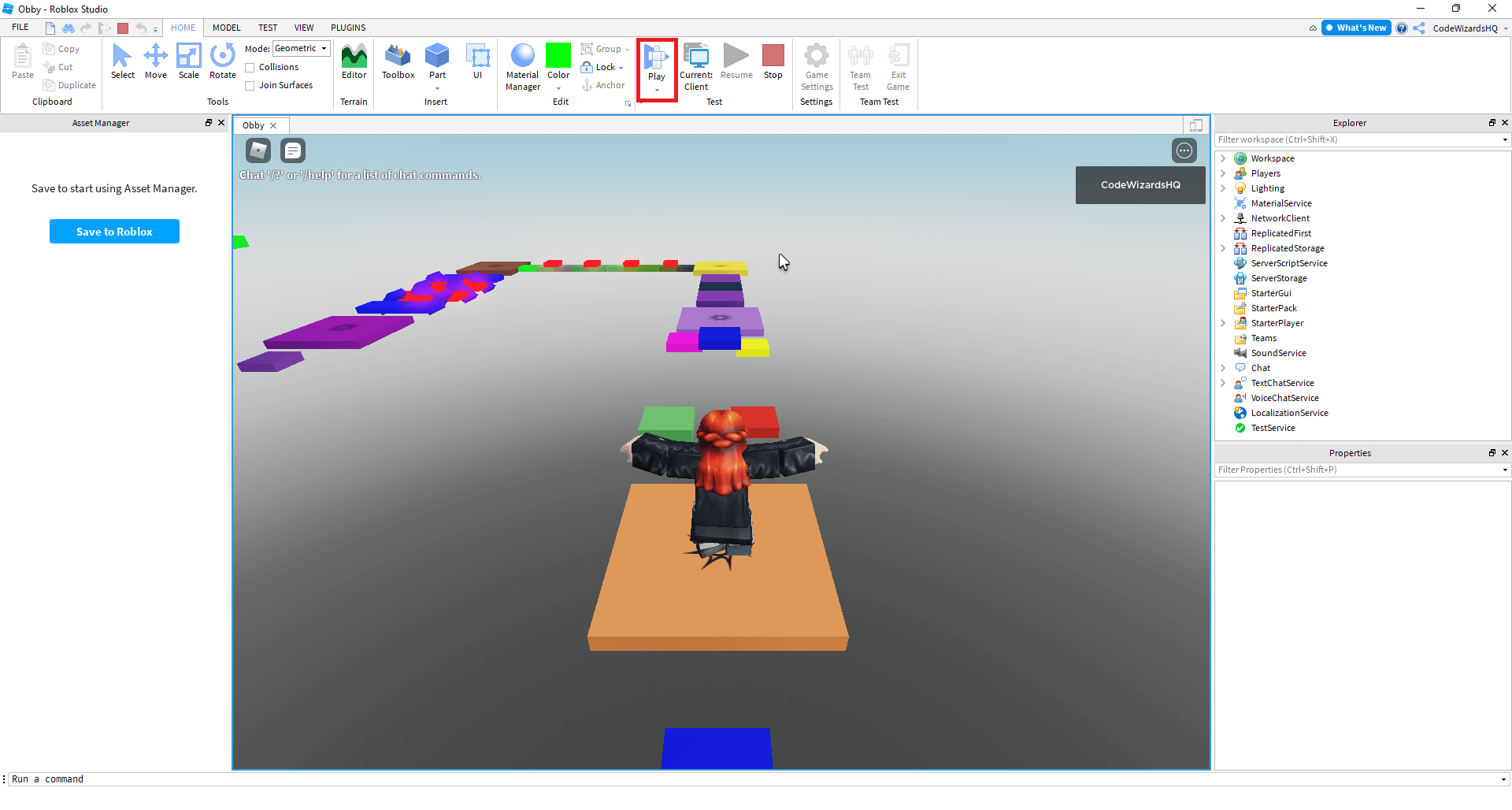
- Test Tab: Before publishing, you need to test your game. The 'Test' tab allows you to play your game directly within Studio, simulating various player counts and device types. This is invaluable for identifying bugs and ensuring a smooth player experience.
Focus on understanding how these windows and tools work together. Many busy gamers find that breaking down learning into "tool of the day" sessions makes it digestible and productive.
Is Learning Lua Scripting for Roblox Really Necessary, and How Do I Approach It?
While you can build basic structures and worlds in Roblox Studio without any coding, learning Lua scripting is undeniably crucial if you want to create interactive gameplay, dynamic mechanics, or anything beyond a static map. Lua is a lightweight, efficient, and relatively beginner-friendly language, making it an excellent entry point into programming for many. For adults who are used to logical problem-solving in their jobs, Lua can be a fascinating new skill to acquire.
Instead of trying to learn all of Lua at once, adopt a project-based approach. Think of a small, specific interaction you want in your game, like a door that opens when a player touches it, or a button that changes a part's color. Then, search for tutorials specifically on how to achieve that. The official Roblox Creator Hub has excellent Lua tutorials, and YouTube is filled with step-by-step guides. Focus on understanding core concepts like variables, functions, conditional statements (if/then), and loops. Regularly experimenting in a blank Studio project, trying to modify existing scripts, or even just copying and pasting code to see what it does, can accelerate your learning. Remember, 60% of US gamers enjoy skill-building within their hobbies, and learning Lua can be a deeply rewarding skill that directly impacts your creative output.
How Do I Design an Engaging Roblox Game That Keeps Players Coming Back?
Creating an engaging game, especially for a platform as diverse as Roblox, requires more than just technical skill; it demands good game design. For gamers who appreciate fun and value, design choices are paramount. Here’s how to ensure your game captures attention:
- Define Your Core Loop: What is the repetitive activity players will engage in, and why is it fun? Is it collecting resources, battling enemies, solving puzzles, or socializing? Make this loop clear, rewarding, and intuitive.
- Player Progression: Give players a reason to stay. This could be through leveling up, unlocking new areas, earning currency to buy items, or achieving milestones. A sense of advancement keeps engagement high.
- Social Interaction: US gamers, particularly Gen Z and Millennials, thrive on social connection, with platforms like Discord being integral to their gaming experience. Integrate features that encourage players to interact, collaborate, or even compete. Leaderboards, in-game chat, and co-op challenges are great examples.
- Visual Appeal & User Experience: Even simple games benefit from a clean, appealing aesthetic. Focus on intuitive UI/UX, clear objectives, and smooth controls. A game that’s easy to understand and pleasant to look at will retain players longer.
- Originality & Niche: While drawing inspiration is fine, try to add your own unique twist. Consider niche genres or themes that aren't oversaturated. Current trends like "cozy games" or unique simulator concepts often find dedicated audiences.
- Feedback & Iteration: Don't be afraid to release an early version to friends or a small community for feedback. Listen to their suggestions and iterate on your design. This player-centric approach is vital for long-term success.
Remember, the goal is not just to build a game, but to build an experience that resonates with your target audience, making them want to share it and return repeatedly.
What Are the Best Practices for Optimizing My Roblox Game's Performance?
Nothing kills player enjoyment faster than a laggy, unresponsive game. Given the prevalence of mobile gaming and varying hardware capabilities among players, performance optimization is critical. Many adult gamers play on the go or on slightly older PCs, so a smooth experience is a must. Here's how to ensure your game runs well:
- Reduce Part Count: Every part in your game contributes to memory usage and rendering time. Be mindful of excessive detail. Use textures and decals instead of complex geometry where possible. Combine multiple parts into models to reduce their individual overhead.
- Efficient Scripting: Poorly optimized scripts can be a major performance drain. Avoid infinite loops, unnecessary calculations, and excessive server-client communication. Profile your scripts using Roblox Studio's "MicroProfiler" to identify bottlenecks.
- Texture & Mesh Optimization: Use appropriate texture resolutions. Large textures consume more memory. If importing custom meshes, ensure they have a reasonable polygon count. Too many high-poly meshes will cripple performance.
- Streaming Enabled: For large worlds, enabling "Streaming Enabled" in your game's Workspace properties is a game-changer. It loads and unloads parts of the map dynamically based on the player's proximity, significantly reducing initial load times and overall memory usage.
- Lighting & Effects: While beautiful, complex lighting and particle effects can be resource-intensive. Use them judiciously. Experiment with different lighting settings to find a balance between aesthetics and performance.
- Test on Various Devices: Always test your game on different hardware and network conditions, not just your powerful development PC. Use Roblox Studio's device emulator to simulate mobile, tablet, and lower-end PC experiences.
A well-optimized game offers a superior experience, encourages longer play sessions, and reduces frustrating setup issues for players, embodying value for money and time.
Can I Monetize My Roblox Game, and What Are the Key Strategies?
For many aspiring developers, the prospect of earning from their creations is a powerful motivator. Roblox offers robust monetization options, allowing creators to convert their game's success into Robux, and eventually real-world currency through the Developer Exchange (DevEx) program. Here’s how you can approach it:
- Game Passes: These are one-time purchases that grant players permanent perks or access to special content, like exclusive items, abilities, or game areas. They're excellent for premium content that adds significant value.
- Developer Products: These are consumable items, such as in-game currency, temporary power-ups, or single-use boosts. They encourage repeat purchases and cater to players who want to accelerate their progress or enhance their experience.
- Premium Payouts: This is a newer system where you earn Robux based on the engagement of Roblox Premium subscribers in your game. The more Premium players spend time in your game, the more Robux you earn. This incentivizes creating highly engaging, long-term experiences.
- Monetization Strategy: The key is to offer value. Never make your game "pay-to-win" in a way that alienates free players. Instead, offer cosmetic items, convenience features, or optional content that enhances the experience without making the core game inaccessible or unfair. Gamers value fairness and fun; smart monetization respects that balance.
- Analytics: Utilize Roblox's developer analytics dashboard to understand player behavior. Which Game Passes are selling? Where do players spend their Robux? This data is crucial for refining your monetization strategy and ensuring you're offering what your audience wants.
With careful planning and a focus on player value, your Roblox game can certainly become a source of income, fitting into the budget-friendly and value-conscious mindset of many adult gamers.
How Do I Publish and Promote My Roblox Game to Reach a Wider Audience?
Building a great game is only half the battle; getting players to discover and enjoy it is the other. Publishing and promotion are crucial steps in learning how to make a Roblox game successful. While Roblox's algorithm helps, active promotion significantly boosts visibility.
- Publishing Your Game: Once your game is stable and enjoyable, click "File" -> "Publish to Roblox As..." in Studio. Ensure you fill out all the details: a compelling title, a clear description, and relevant genres/tags. Choose an eye-catching thumbnail and icon – these are often the first things potential players see.
- First Impressions Matter: Your game's title, icon, and description are your primary marketing tools on the Roblox platform. They need to clearly communicate what your game is about and why someone should play it. Highlight unique features and benefits.
- Social Media & Community Engagement: Share your game on social media platforms like X (formerly Twitter), TikTok, and Discord. Create short, engaging video clips or screenshots. Engage with the Roblox development community and other gamers. Many popular games gain traction from early community buzz.
- YouTube & Streamer Influence: Reach out to smaller Roblox YouTubers or streamers. A single video from an influencer can send a massive wave of players to your game. Offer them early access or unique codes. This taps into the creator/streamer influence that is a major trend among Gen Z/Millennial gamers.
- Advertising on Roblox: Consider using Roblox's built-in advertising system. You can bid Robux to display ads for your game to specific audiences. Start with a small budget to test effectiveness and gradually scale up if you see good returns.
- Consistent Updates: A living game is a thriving game. Regularly update your game with new content, bug fixes, and features based on player feedback. This keeps existing players engaged and gives new players a reason to check it out.
Think of promotion as an ongoing process, not a one-time event. Continual engagement with your community and strategic marketing efforts will help your game grow.
What Common Pitfalls Should New Roblox Developers Avoid?
Every developer, especially new ones, will face challenges. Avoiding common pitfalls can save you significant time and frustration when you're learning how to make a Roblox game. Remember, balancing gaming with life means optimizing your efforts!
- Scope Creep: Trying to build too much too soon is the number one killer of new projects. Start with a small, achievable idea (e.g., a simple obby, a basic social hangout) and expand gradually.
- Neglecting Testing: Don't assume your game works just because you've coded it. Playtest constantly, invite friends to test, and use Studio's built-in test features. Bugs ruin player experiences.
- Over-Reliance on Free Models: While the Toolbox is a great resource, blindly inserting free models can introduce performance issues, security vulnerabilities, or simply low-quality assets. Understand what you're using.
- Ignoring Performance: As discussed, a laggy game drives players away. Always consider optimization from the start, especially for mobile users who dominate a significant portion of the gaming market.
- Poor UI/UX Design: If players can't easily understand your game's interface or controls, they'll leave. Keep user interfaces clean, intuitive, and consistent.
- Lack of Feedback Loop: Don't develop in a bubble. Engage with potential players, listen to their feedback (even critical feedback), and be willing to adapt your game.
- Expecting Overnight Success: Building a successful Roblox game takes time, effort, and continuous improvement. Celebrate small victories and learn from setbacks.
By being aware of these common traps, you can navigate your development journey more smoothly and effectively, making your experience much more rewarding.
Where Can I Find Continuous Learning and Support for Roblox Development?
The Roblox development community is vast and incredibly supportive, offering numerous avenues for learning and assistance. For adult gamers seeking to build skills and connect socially, these resources are invaluable:
- Roblox Creator Hub: This is the official and most comprehensive resource. It offers tutorials, API references, best practices, and educational content for all skill levels. It's constantly updated and a must-bookmark.
- Roblox Developer Forum: An active community where developers discuss problems, share solutions, showcase their work, and get feedback. It's a goldmine of information and a great place to ask specific questions.
- YouTube Tutorials: Many talented developers create video tutorials on specific aspects of Roblox Studio and Lua scripting. Channels like "AlvinBlox," "TheDevKing," and "PeasFactory" are popular starting points. Visual learners often find these very effective.
- Discord Servers: Countless Discord servers are dedicated to Roblox development. These offer real-time help, networking opportunities, and a sense of community. Search for "Roblox dev Discord" to find active servers.
- Online Courses & Documentation: Beyond Roblox's official resources, many platforms like Udemy, Coursera, or even independent websites offer structured courses on Lua programming and Roblox development.
- Experimentation & Practice: The best way to learn is by doing. Don't be afraid to experiment, break things, and try to fix them. Practical application solidifies knowledge far more effectively than passive learning.
Leveraging these resources ensures you're always growing, staying current with trends, and connecting with a community that shares your passion for creating.
You’ve navigated the exciting journey of learning how to make a Roblox game, from grasping the basics of Roblox Studio and Lua scripting to understanding effective game design, optimization, and even monetization. We’ve covered how to approach this creative endeavor without letting it overwhelm your busy life, offering practical tips and resources for consistent growth. Remember, the Roblox platform is a dynamic space, and your ability to create engaging, performant games is a direct path to personal fulfillment and potential success. As US gamers continue to prioritize social, skill-building experiences, your unique creations have the power to capture imaginations and build communities. Keep experimenting, keep learning, and most importantly, keep having fun.
What's your biggest gaming challenge when it comes to balancing creativity with life? Comment below and let's discuss!
FAQ Section: Your Quick Answers
Q: Is Roblox Studio free to use?
A: Yes, Roblox Studio is completely free to download and use for developing games. This accessibility makes it a great platform for anyone, including adult gamers on a budget, to dive into game creation without upfront costs.
Q: Do I need to know how to code to make a Roblox game?
A: While you can build basic structures and environments without coding, learning Lua scripting is essential for creating interactive gameplay, custom mechanics, and truly dynamic experiences. Start with simple scripts and build your knowledge incrementally.
Q: How long does it take to make a simple Roblox game?
A: A very simple game, like a basic obstacle course or a small social hub, can be made in a few hours to a few days of focused effort, especially if you utilize the Toolbox for assets. More complex games can take weeks or months.
Q: Can I develop Roblox games on a Mac or Linux?
A: Roblox Studio is officially supported on Windows and macOS. While there are unofficial ways to run it on Linux (e.g., via Wine), performance and stability are not guaranteed. For optimal experience, Windows or macOS is recommended.
Q: What is the average age of a Roblox game developer?
A: While Roblox is popular with younger players, its developer community is diverse. Many adult gamers, often with an average age similar to the general US gaming population (~36), engage in development, attracted by its creative potential and monetization opportunities.
Q: How do I test my Roblox game effectively?
A: Use Roblox Studio's built-in 'Test' tab to play your game and simulate multiple players. Also, ask friends or community members to playtest on different devices and provide feedback. Regular, thorough testing helps catch bugs and improve the player experience.
Learn Roblox Studio basics, master Lua scripting for game mechanics, understand monetization options like Game Passes and Developer Products, discover effective game design principles for engagement, optimize game performance, and publish your first Roblox game successfully.
35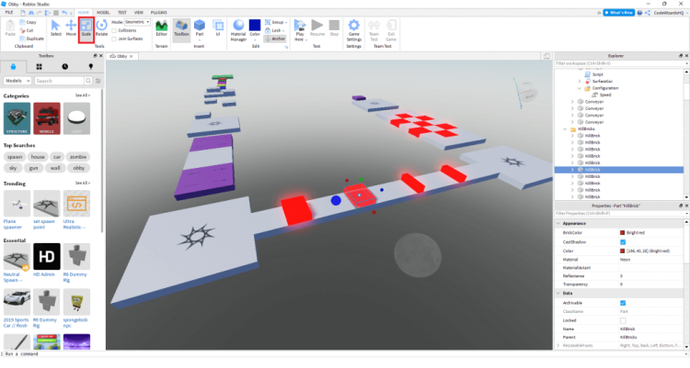


Creating A Roblox Game Step By Step Guide Resized . How To Make A Roblox Game Complete Beginners Guide YouTube . How To Make A Roblox Game In 15 Minutes Create Roblox Games Step 10 . How To Make A Roblox Game On Mobile 2026 New Update YouTube . How To Make A Roblox Game Beginner Tutorial In 2026 FREE YouTube


How To Make Roblox Game Public Step By Step YouTube . How To Publish A Game On Roblox In 2026 Roblox YouTube . How To Make Your OWN OFFICIAL GAME On Roblox Studio YouTube . Roblox How To Make A Roblox Game H Ng D N Chi Ti T T O Game Tr N Screen Shot 2024 08 20 At 9.59.44 AM . How To Make A Game Pass In Roblox 2026 Step By Step Guide Game Pass Roblox.webp



How To Publish A Roblox Game 2026 Complete Roblox Studio Tutorial . How To Make A Game In Roblox Easy At Roger Monday Blog Step 7 . HOW TO MAKE A ROBLOX GAME IN 10 MINUTES YouTube . How To Make A Roblox Game With AI Complete 2026 Guide Image. Ready To Share How To Publish Your Roblox Game



Roblox Game Development On Mobile Everything You Need To Know How To Make A Roblox Game On Mobile Step By Step For Beginners 1536x1037 . How To Make A Game Multiplayer A Simple Guide For 2026 A Guide On How To Create A Game On Roblox.webp. 15 Game Roblox Horror Terbaik 2026 15 Game Roblox Horror Terbaik 2026 Paling Seram And Bikin Deg Degan 7f944699ce . How To Make Game R6 In Roblox Studio Full Guide YouTube . Roblox Studio How To Make Your Game R6 YouTube



How To Make A Roblox Game In 15 Minutes 2020 Tutorial YouTube . Roblox 2026 Logo REVEALED New Color New Look YouTube Maxres2 . HOW TO MAKE YOUR GAME COST ROBUX TO PLAY Roblox Studio Tutorial . Ready To Share How To Publish Your Roblox Game Creations Roblox . Ready To Share How To Publish Your Roblox Game 1200x1769


Make Roblox Create . Read Description How To MAKE A ROBLOX GAME WITH YOUR FRIENDS In 2021 . How To Create A Game In Roblox On Android Hq720 . Roblox Total Games How Many Experiences Exist The 8 Most Popular Roblox Games In 2025 . HOW TO MAKE A ROBLOX GAME EXPERIENCE ON MOBILE 2026 YouTube

How To Make A Roblox Game In 15 Minutes Create Roblox Games Step 5 . How To Make A GAME On ROBLOX 2024 Roblox Studio Tutorial YouTube . Roblox Game Success Your Guide To Popularity Step 4 1536x822 . How To Make A Roblox Game From Scratch Roblox Game. How To Make A Game In Roblox In 2026 Complete Beginner S Guide Adellion Image