Worried if your epic gaming sessions are silently damaging your beloved gaming laptop? You are not alone! Many dedicated gamers, especially those juggling careers, families, and life responsibilities, constantly question the long-term impact of their digital adventures on their hardware. While modern gaming laptops are engineered for intense performance, prolonged high-stress usage, heat management, and component wear are genuine concerns that can affect longevity and performance. This comprehensive guide dives deep into the realities of 'does gaming on laptop damage it,' offering practical, actionable advice to help you protect your investment, optimize your gameplay, and ensure your laptop remains a reliable companion for countless hours of fun. We'll explore everything from managing CPU and GPU temperatures to understanding battery health, offering budget-friendly maintenance tips, and revealing how smart habits can significantly extend your device's lifespan. Get ready to game smarter, not harder, and keep your machine purring like a contented dragon.
Does gaming on a laptop significantly reduce its overall lifespan?
Gaming on a laptop, particularly intense sessions, can accelerate component wear due to consistent high heat and load, potentially reducing its lifespan compared to a laptop used only for light tasks. However, with proactive cooling solutions, regular maintenance, and optimized settings, you can largely mitigate these effects and ensure your gaming laptop lasts for many years.
What specific laptop components are most at risk from intense gaming?
The CPU (Central Processing Unit) and GPU (Graphics Processing Unit) are most at risk due to the immense heat they generate during intensive gaming. Prolonged exposure to high temperatures can degrade their silicon, solder joints, and thermal paste, leading to reduced performance through thermal throttling and eventual hardware failure. The battery is also susceptible to heat-induced degradation.
How can I monitor my laptop's temperature effectively during gaming sessions?
You can effectively monitor your laptop's temperatures using free software tools like HWMonitor, MSI Afterburner, or NZXT CAM. These applications display real-time temperatures for your CPU, GPU, and other components. Aim to keep CPU and GPU temperatures below 85 degrees Celsius (185°F) during prolonged gaming to ensure optimal performance and longevity.
Are cooling pads genuinely effective in preventing gaming laptop damage?
Yes, cooling pads are genuinely effective in mitigating heat and, by extension, preventing potential gaming laptop damage. They elevate the laptop for better airflow and use fans to blow cool air directly onto the chassis, particularly where intake vents are located. This supplementary cooling can reduce internal component temperatures by several degrees, significantly decreasing thermal stress.
When should I consider repasting my gaming laptop's CPU and GPU?
You should consider repasting your gaming laptop's CPU and GPU when you notice consistently higher temperatures during gaming, even after external cleaning, or if performance is suffering due to thermal throttling. Typically, the factory thermal paste can degrade after 1-2 years of heavy use. A fresh application of high-quality thermal paste can drastically improve heat transfer and cooling efficiency.
Can software settings or optimizations extend my gaming laptop's life?
Absolutely. Software settings and optimizations are crucial for extending your gaming laptop's life. Reducing in-game graphics settings, ensuring drivers are up-to-date, and especially undervolting your CPU or GPU can significantly lower operating temperatures. Managing background applications and utilizing your laptop's power profiles can also reduce unnecessary strain, contributing to longer hardware longevity.
Is it worth investing in a dedicated gaming laptop over a standard one for longevity?
For gamers, investing in a dedicated gaming laptop is often worth it for longevity. Gaming laptops are designed with more robust cooling systems, higher-quality components, and better build materials to withstand the stress of gaming. While a standard laptop might technically run games, it will likely overheat faster and experience accelerated wear, leading to a much shorter lifespan under similar gaming loads compared to a purpose-built gaming machine.
Ever found yourself deep into a raid, immersed in a new open world, or locked in a tense competitive match, only to feel the intense heat radiating from your laptop? That nagging thought pops up: 'Does gaming on laptop damage it?' For many of us, especially those juggling busy lives—work, family, and other commitments—gaming is a cherished escape, a way to unwind, connect with friends, or hone skills. We want to enjoy our games without constantly worrying if we're silently shortening our laptop's life or burning a hole in our laps. It's a common dilemma: how to balance the joy of high-performance gaming with the practical need to maintain our hardware for the long haul.
You're not alone in this concern. With 87% of US gamers playing regularly, often clocking 10+ hours a week, and many participating in mobile and PC/console cross-play, laptop gaming is a staple. We invest our hard-earned money in these machines, hoping they'll last. Modern gaming laptops are built to be robust, designed to handle the demands of today's graphically intensive titles. However, they aren't indestructible. Intense gaming puts significant stress on components, generating heat, and over time, this can lead to wear and tear. But here's the good news: with smart practices, you can significantly mitigate potential damage and ensure your gaming companion stays in top shape. This guide will walk you through everything you need to know, offering practical, no-nonsense advice to keep your laptop performing optimally and lasting longer.
Does Gaming on Laptop Damage It in the Long Run?
Yes, but not inherently. Gaming itself doesn't directly 'damage' a laptop in the sense of instant destruction. Instead, it creates conditions, primarily excessive heat and constant high load, that can accelerate wear and tear on components over time. Think of it like driving a high-performance car; it's built for speed, but consistent redlining without proper maintenance will shorten its life. For gaming laptops, this means parts like the CPU, GPU, battery, and storage can degrade faster if not properly managed. The good news is that with proactive care, you can largely prevent significant long-term damage.
How Does Heat Affect My Gaming Laptop Components?
Heat is the number one enemy of electronics. When your laptop gets hot during intense gaming, it's not just uncomfortable; it's actively stressing critical components. Here's a breakdown:
- CPU and GPU: These are the workhorses. High temperatures can cause 'thermal throttling,' where your CPU and GPU automatically reduce their clock speeds to cool down, leading to lower frame rates and stuttering gameplay. Prolonged exposure to high heat can also degrade the solder joints and internal silicon, shortening their lifespan.
- Battery: Batteries hate heat. Gaming while charging, especially in a hot environment, significantly accelerates battery degradation. You'll notice reduced charge capacity and shorter battery life much faster.
- SSD/HDD: While less susceptible than the CPU/GPU, excessive heat can still impact the longevity and reliability of your storage drives, potentially leading to data corruption or drive failure over a very long period.
- Other Components: Motherboard components, RAM, and even the plastic chassis can suffer from prolonged heat exposure, leading to brittleness or malfunction.
What Are the Common Signs of a Gaming Laptop Being Damaged?
Recognizing the signs early can save you from bigger problems. Look out for these indicators:
- Decreased Performance: Games that used to run smoothly now stutter or have significantly lower frame rates, even at the same settings. This is often the first sign of thermal throttling or component fatigue.
- Frequent Crashes or Freezes: Your games or even the entire system might crash or freeze unexpectedly. This can indicate unstable components due to heat, driver issues, or hardware failure.
- Loud Fan Noise: While gaming laptops are inherently noisy, if your fans are consistently running at maximum speed even during less demanding tasks, or sound unusually loud, it suggests the system is struggling to dissipate heat.
- Excessive Heat: Your laptop feels uncomfortably hot to the touch, especially near the exhaust vents, even after a short gaming session.
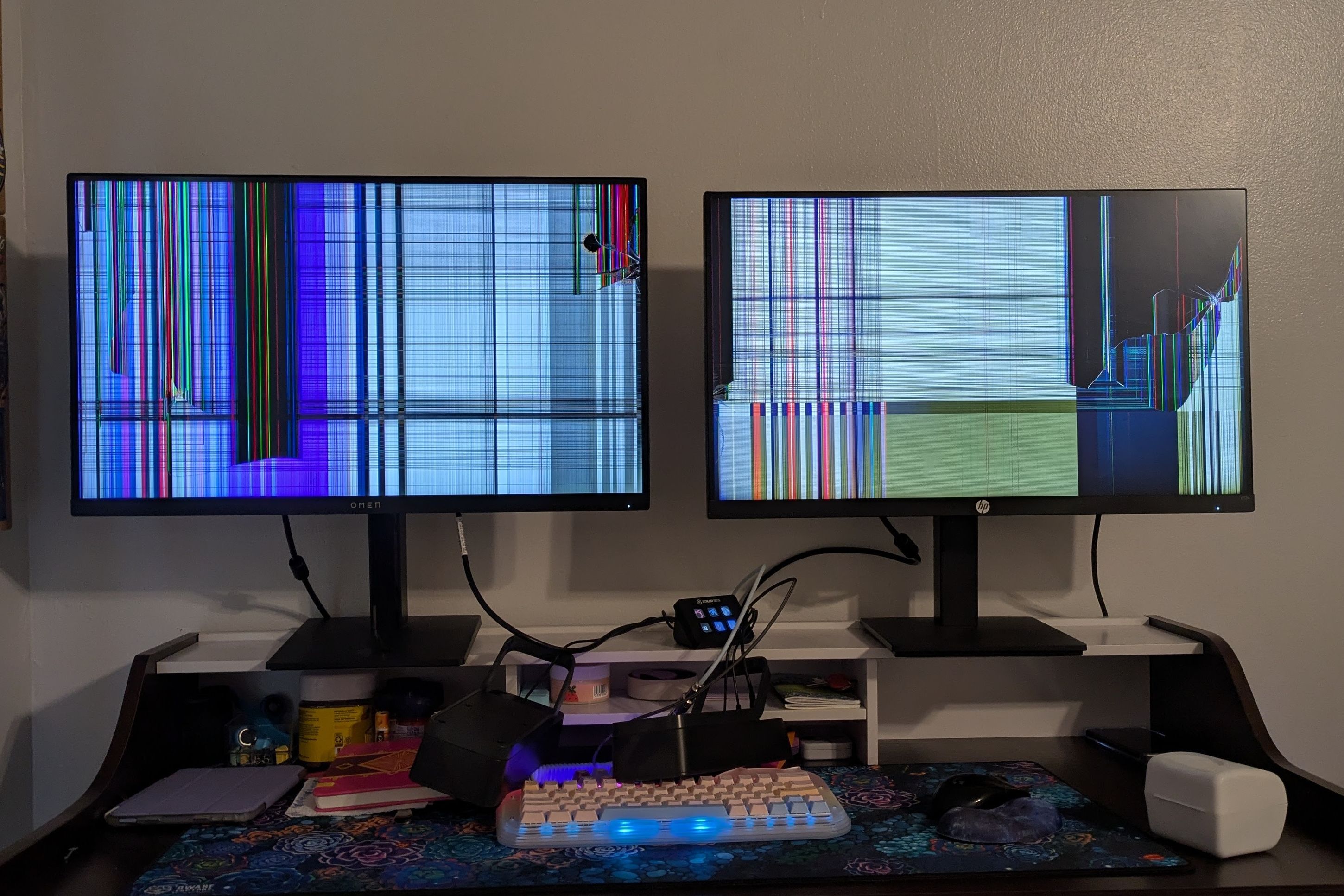
- Visual Artifacts: Glitches, strange colors, or lines appearing on your screen during gameplay can be a serious sign of GPU damage.
- Battery Drain: Your battery life diminishes drastically, even when not gaming, indicating significant degradation.
Can Continuous Gaming Shorten My Laptop's Lifespan?
Yes, continuous, intense gaming without proper cooling and maintenance can absolutely shorten your laptop's overall lifespan. It's the cumulative effect of constant thermal stress, fan wear, and power cycles. A laptop designed to last 5-7 years with moderate use might only last 3-4 years if it's constantly pushed to its limits without adequate care. However, with smart practices like managing temperatures, regular cleaning, and optimizing settings, you can significantly extend that lifespan, often making it last as long as a moderately used machine. It's about being proactive rather than reactive.
What Steps Can I Take to Prevent Gaming Laptop Damage?
Protecting your investment is easier than you think. Here are key preventative measures:
- Optimize Cooling: This is paramount. Use a laptop cooling pad, elevate your laptop for better airflow (e.g., on a stand), and ensure vents are unobstructed. Avoid gaming on soft surfaces like beds or laps that block airflow.
- Clean Regularly: Dust and debris are insulation. Use compressed air to clean out your vents and fan exhausts at least once a month. For internal cleaning, consider professional service every 6-12 months.
- Update Drivers: Keep your GPU drivers (NVIDIA, AMD), chipset drivers, and BIOS updated. Manufacturers often release updates that improve performance, stability, and thermal management.
- Manage Game Settings: You don't always need to run games at 'Ultra' settings. Lowering graphics quality slightly can drastically reduce CPU/GPU load and heat generation, often with minimal visual difference.
- Undervolting: If comfortable, consider undervolting your CPU or GPU. This reduces the voltage supplied to the components without sacrificing performance, leading to lower temperatures and power consumption. Use tools like Throttlestop or MSI Afterburner carefully.
- Monitor Temperatures: Use software like HWMonitor, MSI Afterburner, or NZXT CAM to keep an eye on your CPU and GPU temperatures. Aim for under 85°C (185°F) for prolonged sessions.
- Power Management: Use your laptop's performance modes wisely. Switch to 'balanced' or 'power saver' when not gaming to reduce strain.
Is It Bad to Game While Charging My Laptop?
Generally, no, it's not bad to game while charging; in fact, it's often necessary. Most gaming laptops require AC power to deliver their full performance, as battery power alone cannot provide enough wattage for the CPU and GPU to run at their peak. Gaming on battery power usually results in significantly lower frame rates and performance. The primary concern with gaming while charging is the increased heat generated by both the system under load and the battery charging process. As mentioned, heat degrades battery health. To mitigate this:
- Ensure good airflow around the laptop and charger.
- Use a cooling pad.
- Some advanced laptops have battery care features that limit charging to 80% or 60% when plugged in, which can prolong battery life.
How Often Should I Clean My Gaming Laptop?
For external cleaning (vents, keyboard, screen), a quick wipe-down and blast with compressed air on the vents should be done **monthly** or even **bi-weekly** if you're in a dusty environment or have pets. For internal cleaning, which involves opening the chassis to clean fans and heatsinks, it's recommended **every 6 to 12 months** depending on usage and environment. If you're not comfortable opening your laptop, a professional cleaning service is a worthwhile investment. Dust accumulation is a silent killer of laptop performance and longevity.
When Should I Consider Upgrading My Gaming Laptop's Components?
Unlike desktops, gaming laptops have limited upgradeability. However, two common and impactful upgrades are:
- RAM: If your laptop has an empty RAM slot or supports higher capacity modules, upgrading RAM can significantly improve multitasking and game performance, especially for modern titles. Check your laptop's maximum supported RAM and current configuration.
- Storage (SSD): Upgrading from an HDD to an SSD, or increasing the capacity of an existing SSD, is one of the most impactful upgrades. Faster loading times, quicker boot-ups, and smoother game asset streaming are immediate benefits. Many modern gaming laptops allow for easy M.2 NVMe SSD upgrades.
Consider these upgrades when your laptop shows signs of slowdowns, long loading times, or struggles to run new games, even after software optimizations and cleaning. Always check your specific laptop model's manual or manufacturer's website for upgrade compatibility.
Are Specific Game Types More Damaging to Laptops?
Absolutely. The 'damage' potential is directly related to how resource-intensive a game is. Graphically demanding AAA titles, especially those with unoptimized engines or those running at high resolutions and frame rates, will push your CPU and GPU to their limits, generating more heat and stress. Games like Cyberpunk 2077, Starfield, or competitive esports titles played at maximum settings will work your laptop much harder than, say, Stardew Valley or League of Legends at moderate settings.
Multiplayer online games (MMOs, battle royales) also put consistent stress on your internet connection and network hardware, adding to the overall system load. Conversely, lighter indie games, older titles, or less graphically intensive social/cozy games are much gentler on your hardware. Gamers who balance work and life often gravitate towards these for shorter, relaxing sessions, which naturally means less sustained stress on their laptops.
What Are the Best Cooling Accessories for Gaming Laptops?
Investing in good cooling accessories can make a significant difference in preventing damage and improving performance:
- Laptop Cooling Pads: These are stands with built-in fans that blow air onto the bottom of your laptop. They help dissipate heat and provide better airflow. Look for pads with adjustable fan speeds and ergonomic designs.
- Laptop Stands: Even a simple stand that elevates your laptop off the desk provides crucial space for air circulation underneath, allowing your laptop's built-in fans to work more efficiently. This is often the most cost-effective solution.
- External USB Fans: Small, portable fans can be directed at your laptop's exhaust vents to help pull hot air away or push cool air in, supplementing the internal cooling system.
- Vacuum Coolers: These devices attach to your laptop's exhaust vent and actively pull hot air out, creating a negative pressure system that is highly effective for specific hot spots.
When choosing, consider compatibility with your laptop's vent placement and your setup. Even a basic elevation can dramatically improve thermal performance.
As US gamers continue to blend intense play with busy lives, understanding and practicing good laptop care is paramount. Whether you're diving into social games on Discord, exploring new VR experiences, or engaging in competitive esports, a well-maintained laptop ensures your adventures are smooth and worry-free. Staying current with trends, optimizing for performance, and making smart, budget-friendly choices are all part of the modern gamer's toolkit.
What's your biggest gaming challenge? Comment below!
FAQ Section
Can gaming permanently damage my laptop screen?
Direct damage to your laptop screen from gaming itself is highly unlikely. The screen's integrity is generally separate from the internal components generating heat. However, if extreme internal heat causes the chassis to warp or if you handle the laptop roughly due to frustration, indirect physical damage to the screen could occur. Otherwise, gaming doesn't typically harm the display panel.
Does gaming wear out my laptop keyboard faster?
Yes, intensive gaming, especially titles requiring rapid, repetitive key presses, can accelerate wear on specific keyboard keys (WASD, Spacebar, Shift, Ctrl, Alt). This is due to increased physical stress and friction. While keyboards are durable, heavy gaming usage will cause certain keycaps or switches to degrade faster than average, potentially leading to keys feeling mushy or becoming unresponsive over time.
Is it okay to use a gaming laptop for work and everyday tasks?
Absolutely, it's perfectly fine to use a gaming laptop for work, school, and everyday tasks. In fact, their powerful CPUs, ample RAM, and fast storage often make them excellent for demanding productivity tasks like video editing, graphic design, or complex data analysis. For lighter tasks like browsing or word processing, they are often overkill but will handle them effortlessly without any detrimental effects, often running cooler than during gaming.
How do I know if my laptop is overheating while gaming?
You'll know your laptop is overheating if you experience sudden drops in frame rate (thermal throttling), frequent game crashes, the laptop feels excessively hot to the touch (especially near vents), or the cooling fans constantly run at maximum speed with an unusually loud whine. Monitoring software like HWMonitor or MSI Afterburner can give you precise temperature readings for your CPU and GPU, which should ideally stay below 85-90 degrees Celsius under load.
Should I remove my laptop battery while gaming on AC power?
For most modern gaming laptops (post-2010), removing the battery while gaming on AC power is generally not recommended and often isn't even possible without disassembling the device. Modern laptops manage battery charging cycles intelligently to prevent overcharging and minimize stress. Removing the battery can sometimes lead to power instability, and if the AC adapter is accidentally disconnected, your system will instantly shut down, potentially causing data loss or corruption. It's usually best to leave the battery installed.
Does undervolting actually help prevent damage?
Yes, undervolting is a legitimate and effective method to help prevent potential damage by reducing heat. It lowers the voltage supplied to your CPU or GPU without reducing performance, leading to significantly lower operating temperatures. Lower temperatures mean less thermal stress on components, less thermal throttling, extended component lifespan, and often quieter fan operation. It's a popular optimization for experienced users, but requires careful execution to ensure system stability.
Preventing gaming laptop damage; extending laptop lifespan; managing heat; optimizing performance; battery health for gaming; cleaning and maintenance; upgrading components; signs of damage; cooling solutions.
35%2520Luke%2520Larsen%25205.png)




How To Choose The Right Gaming Laptop 2026 What You Need To Know WIRED . How To Choose The Right Gaming Laptop 2026 What You Need To Know WIRED The Ultimate Quest How To Choose The Right Gaming Laptop . Best Budget Gaming Laptop In 2026 That Can Actually Run AAA Games. How Do Screens Damage Your Eyes Live Science 1920 80 . The Best Gaming Laptops We Ve Tested For 2026 PCMag 7 Hero Image Gallery.fit Lim.size
The Best Laptops For Gaming And Schoolwork In 2026 E734c190 D44d 11f0 Badd. Tom S Guide Asks Are Gaming Laptops Still Worth It In 2024 Tom S Guide 1200 80 . Tom S Guide Asks Are Gaming Laptops Still Worth It In 2024 Tom S Guide 1200 80 . The Best Gaming Laptops For 2026 44818000 B8be 11f0 B56f. Tom S Guide Asks Are Gaming Laptops Still Worth It In 2024 Tom S Guide 1200 80
How To Buy The Right Gaming Laptop A Guide For 2023 Tom S Hardware . The Best Gaming Laptops For 2026 C96d83e0 B8be 11f0 8ddd. The Best Gaming Laptops Early 2026 TechSpot 2025 11 13 Image 5 . The Best Gaming Laptops Early 2026 TechSpot 2025 11 16 Product 2 . Does Playing Games Damage Computers And Laptops Chillblast


How To Fix A Laptop Broken Screen Projects Linguistics Broken Laptop With Damaged Screen . Is It Cheaper To Build Or Buy A Gaming Desktop My Projects 8ca85 1920 . The Best Gaming Laptops Of 2026 Tested By Editors CNN Underscored Best Tested Badge 10 . How Long Do Gaming Laptops Last Everything That You Need To Know Gaming Vs Normal Laptop 1536x864 . Can A Power Surge Damage A PC Insights From Magnify Electric Can A Power Surge Damage A PC



CPU Vs GPU What Matters More For Gaming Person Playing On A Pc With The Fps Visible . LAPTOP GAMINGOWY OMEN 16 Oficjalna Witryna HP VIDEO DESKTOP . MSI GF63 Thin Gaming Laptop I5 RTX 3050 Water Damaged For Parts S L960 . How To Choose A Gaming Laptop Everything You Need To Consider . Heat Management 101 Gaming Laptops And Temperature BPC Dalle IW7J5



21 300 Broken Laptop Stock Photos Pictures Royalty Free Images IStock Man Working With A Broken Laptop Computer On Office Business Background . Video Game Addiction 11 Signs Symptoms And Treatments Video Game Addiciton Graphics 04 The Three Levels Of Gaming Disorder 992x496 . What Are TATE Mode Games And The Best Way To Play Them Today Broken Monitors . A Look Inside Video Games Do They Promote Violence The Reflector FINAL Min 1170x871 . Why You Should Buy A Gaming Laptop In 2023 CNN Underscored Gaming Laptops 2023 Razer Blade 16 Racing Setup




Best Gaming Laptops At CES 2026 RTX 5090 Options Dual Screen Picks Lenovo Legion Pro Rollable Concept. England 47 24 Italy Hosts Shine In Six Nations Sun But Cardiff 0fec2c40 E70a 11ef Bd1b . Mobile Gaming Does It Compare To PC Mobile Gaming UK Blog Feature Image Bottom Text Blog TextTwitter 768x432 . MSI GF63 Thin Gaming Laptop I5 RTX 3050 Water Damaged For Parts S L960 . Acer Nitro 16 Gaming Laptop AMD Ryzen 7 7840HS OctaCore CPU NVIDIA AC SL1500