Ever wondered what HUD stands for in gaming and why it is so crucial to your experience? This comprehensive guide dives deep into the Heads-Up Display, demystifying its purpose and showcasing its vital role for modern gamers. For those balancing careers, family, and a passion for gaming, understanding your HUD can transform your play sessions from confusing to crystal clear. It is not just about showing numbers; it is about providing instant, actionable information that helps you win, strategize, and immerse yourself. Discover how customizing this essential interface can optimize your performance, reduce eye strain, and keep you connected to the action without distraction. We will explore its evolution, its impact on different game genres, and how it helps a demographic where 87% of US gamers play regularly for 10+ hours a week, often across mobile, PC, and console platforms. This article will ensure you are well-equipped to leverage your HUD for maximum enjoyment and efficiency, whether you are unwinding with a cozy game or climbing the competitive ranks.
What is the primary function of a HUD in video games?
The primary function of a HUD is to present essential gameplay information to the player in real-time, directly on the screen, without obstructing the view or requiring the player to navigate menus. This allows for continuous situational awareness and quick decision-making.
How do I customize my HUD in most modern games?
Most modern games provide extensive HUD customization options within their settings menus, often under 'Display,' 'Interface,' or 'Accessibility.' You can typically adjust element size, opacity, position, and even toggle specific components on or off to suit your preferences.
Why do some players prefer a minimalist HUD?
Players often prefer a minimalist HUD to enhance immersion by reducing screen clutter and allowing them to focus more on the game's visuals and environment. It is also favored by experienced players who rely on subtle cues and muscle memory rather than constant on-screen indicators.
What are the common challenges with HUD design for developers?
Developers face challenges in balancing the amount of information displayed with aesthetic appeal, ensuring clarity across different screen sizes and resolutions, and preventing information overload. They must also consider accessibility for diverse players and how HUD elements interact with dynamic gameplay.
Does the term HUD apply to mobile gaming too?
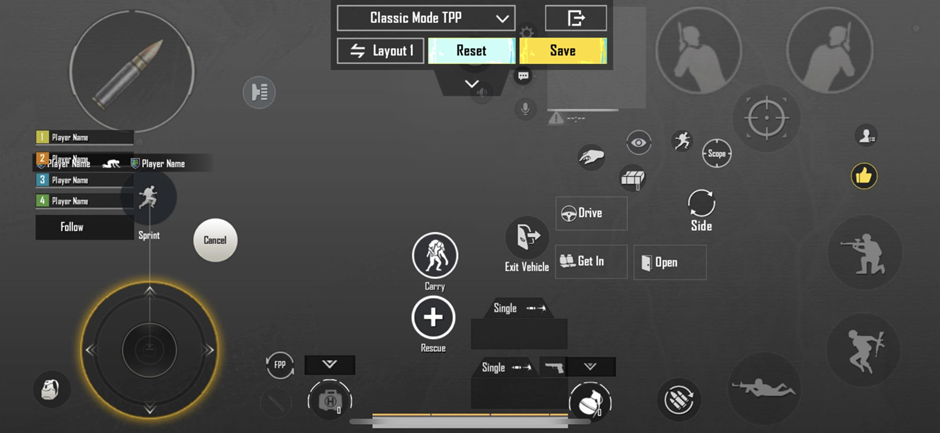
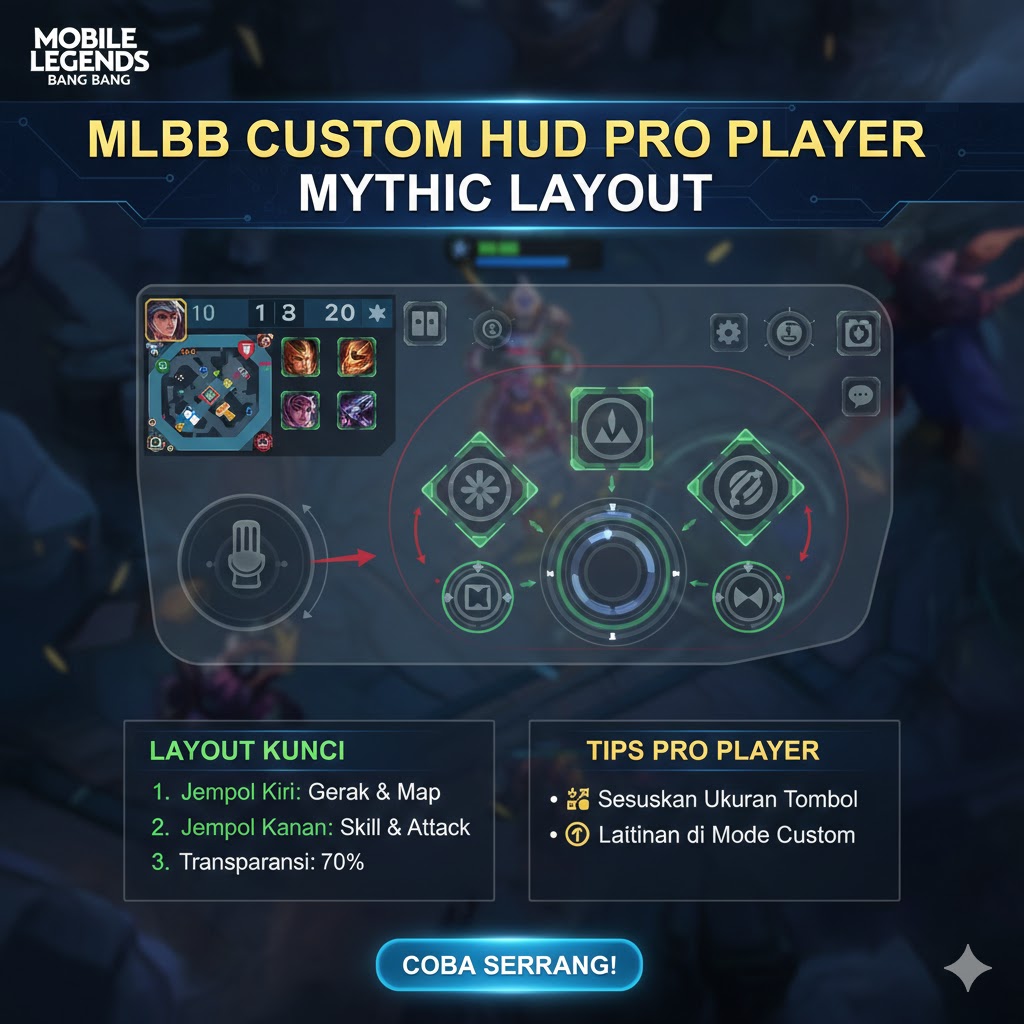
Yes, the term HUD absolutely applies to mobile gaming. Due to limited screen real estate, mobile HUDs are often highly optimized for minimalism, using context-sensitive pop-ups, dynamic icons, and touch-friendly placements to deliver crucial information without overwhelming the player.
Who benefits most from a well-designed HUD?
While all gamers benefit, competitive players and those who enjoy fast-paced action games benefit most from a well-designed HUD. It allows them to quickly process critical data like health, ammo, and cooldowns, improving reaction times and strategic decision-making in high-stakes scenarios.
When did HUDs become a standard feature in gaming?
HUDs became a standard feature in gaming with the rise of more complex video games in the late 1970s and early 1980s, particularly with arcade titles and early console games that needed to display scores, lives, and basic status information directly on the screen.
Ever felt overwhelmed by all the numbers, icons, and maps cluttering your screen while trying to focus on epic combat or solve a tricky puzzle? You are not alone. As gamers who juggle jobs, families, and life's demands, we value every moment we spend in our virtual worlds. We seek relaxation, fun, skill-building, and social connection, often with limited time. A common pain point? Processing crucial game information quickly and efficiently without breaking immersion. This is where understanding your Heads-Up Display, or HUD, becomes a game-changer. So, what does HUD stand for in gaming, and how can mastering it transform your experience? Let us dive in and unlock the secrets to a more informed, optimized, and enjoyable gaming journey.
Understanding your HUD is not just about knowing what the acronym means; it is about recognizing the silent hero that guides your every move. It is the crucial layer of information that empowers you to make split-second decisions, track objectives, and stay one step ahead of the competition. For the average US gamer, around 36 years old, who dedicates 10+ hours a week to gaming, efficiency and clarity are paramount. With 87% of gamers playing regularly, and mobile gaming dominating a significant share, a well-designed HUD is more critical than ever, influencing everything from performance to pure enjoyment.
What Does HUD Stand For in Gaming and Why Is It So Crucial?
HUD stands for Heads-Up Display. In gaming, it refers to the graphical overlay of information displayed on your screen during gameplay, providing vital data without requiring you to pause the game or navigate through menus. Think of it as your in-game dashboard. Its crucial role lies in real-time information delivery, allowing you to maintain focus on the action while staying informed about your character's status, objectives, and surroundings. Without a HUD, games would be far more challenging and frustrating, as you would constantly be guessing your health, ammo, or direction.
How Does a Game's HUD Help You Stay Informed Without Breaking Immersion?
A well-designed HUD aims to deliver essential information discreetly, blending into the game world or appearing only when necessary. Modern HUDs often use context-sensitive elements, dynamic scaling, and transparent overlays to minimize distraction. For example, a health bar might only appear when you take damage, or an objective marker might fade away as you get closer to your destination. This intelligent design allows gamers to stay immersed in the narrative and action, rather than constantly scanning their screen for numbers, which is a key factor for gamers who value the escapism and storytelling aspects of their favorite titles.
What Are the Common Elements You'll Find on a Typical Gaming HUD?
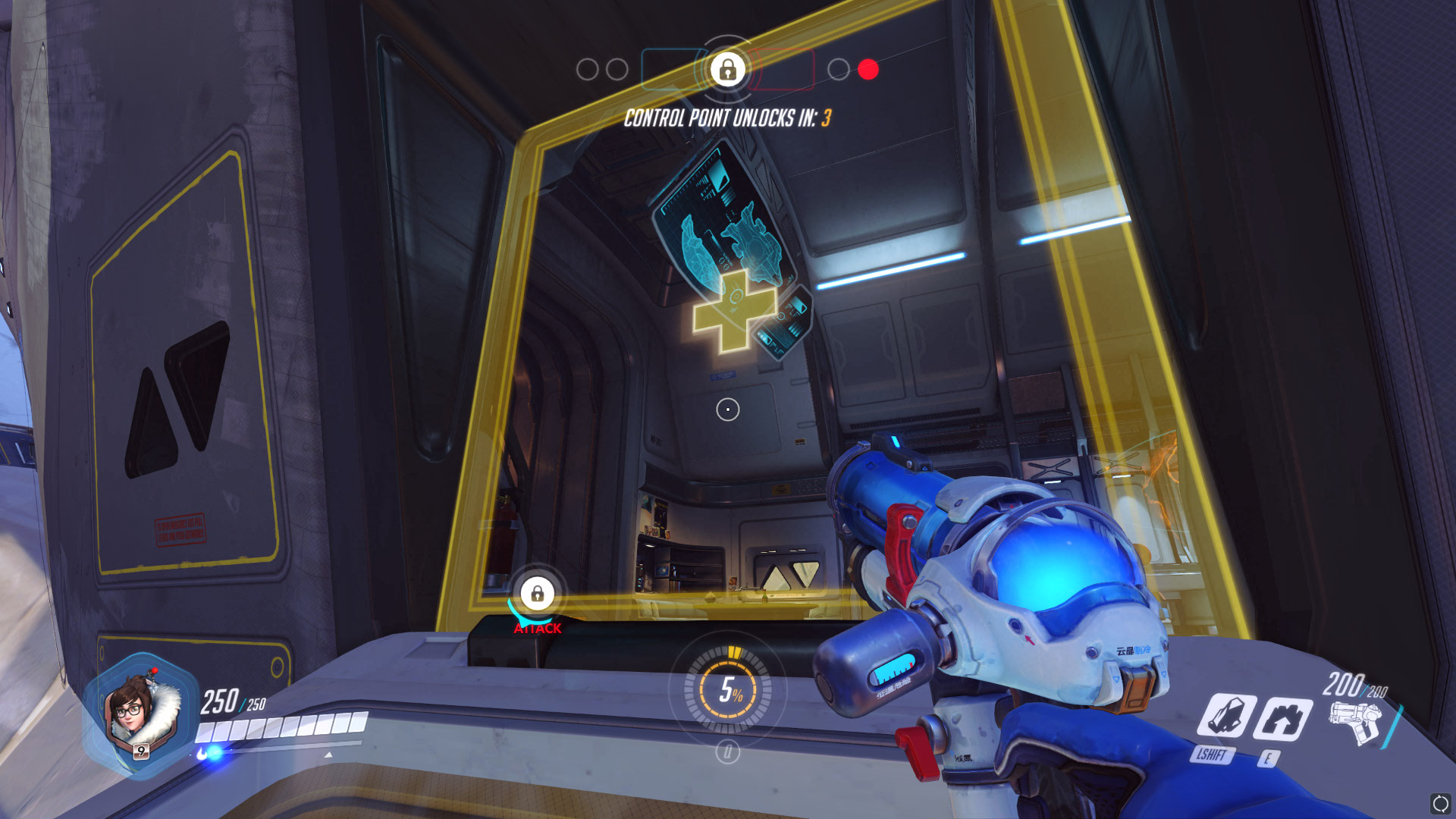
While HUD elements vary greatly by game genre, several core components are almost universally present. These often include:
- Health/HP Bar: Indicates your character's remaining hit points or vitality.
- Ammo Count: Shows how many bullets, arrows, or spells you have left.
- Mini-Map/Radar: Provides a compressed view of your immediate surroundings, often showing enemy positions or objectives.
- Objective Markers: Arrows or icons pointing towards your current mission goals.
- Ability Cooldowns: Timers indicating when special skills or powers can be used again.
- Score/Timer: Common in competitive or arcade games, tracking progress or time remaining.
- Crosshair/Reticle: Helps with aiming in first-person and third-person shooters.
These elements provide a constant stream of feedback, empowering you to make informed decisions without disrupting your flow.
Can Customizing Your HUD Truly Give You an Edge in Competitive Play?
Absolutely. Customizing your HUD is a powerful tool for competitive gamers. By adjusting the size, position, and opacity of specific elements, players can prioritize critical information, reduce visual clutter, and improve reaction times. For example, moving a health bar closer to your crosshair means less eye movement to check your status. In fast-paced esports titles, even milliseconds saved by optimizing your HUD can be the difference between victory and defeat. Many games like Apex Legends or Valorant offer extensive HUD customization, allowing players to fine-tune their display for optimal performance.
Are There Different Types of HUDs in Modern Games and How Do They Vary?
Yes, HUDs come in various forms, often tailored to specific game genres or design philosophies. Beyond the traditional overlay, you will find:
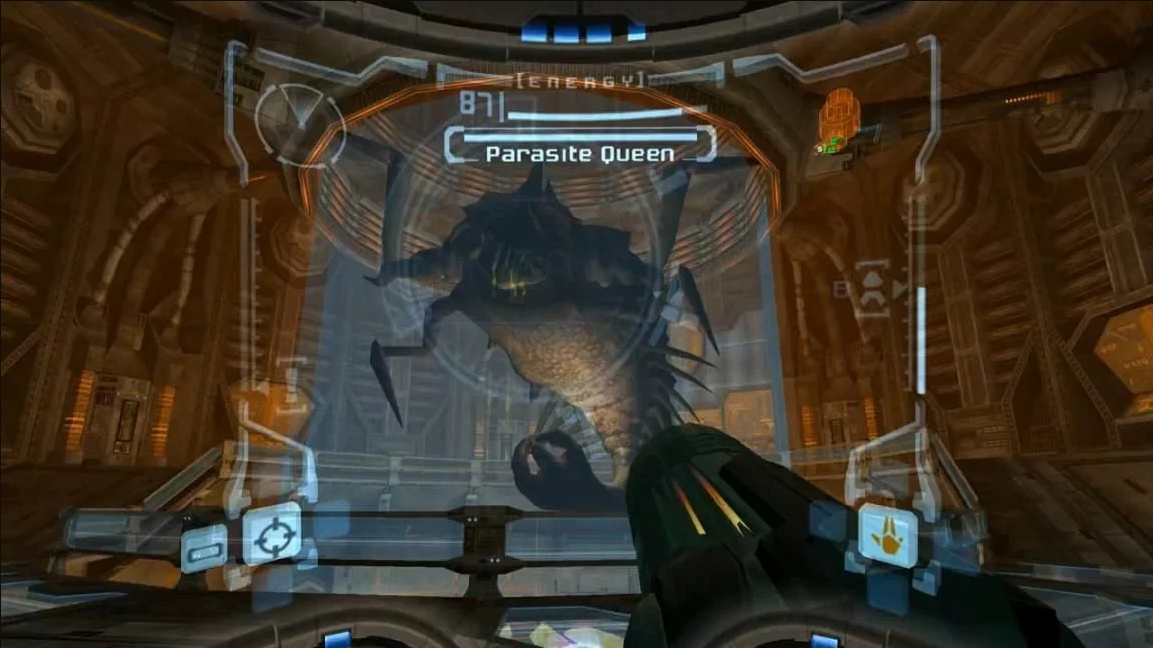
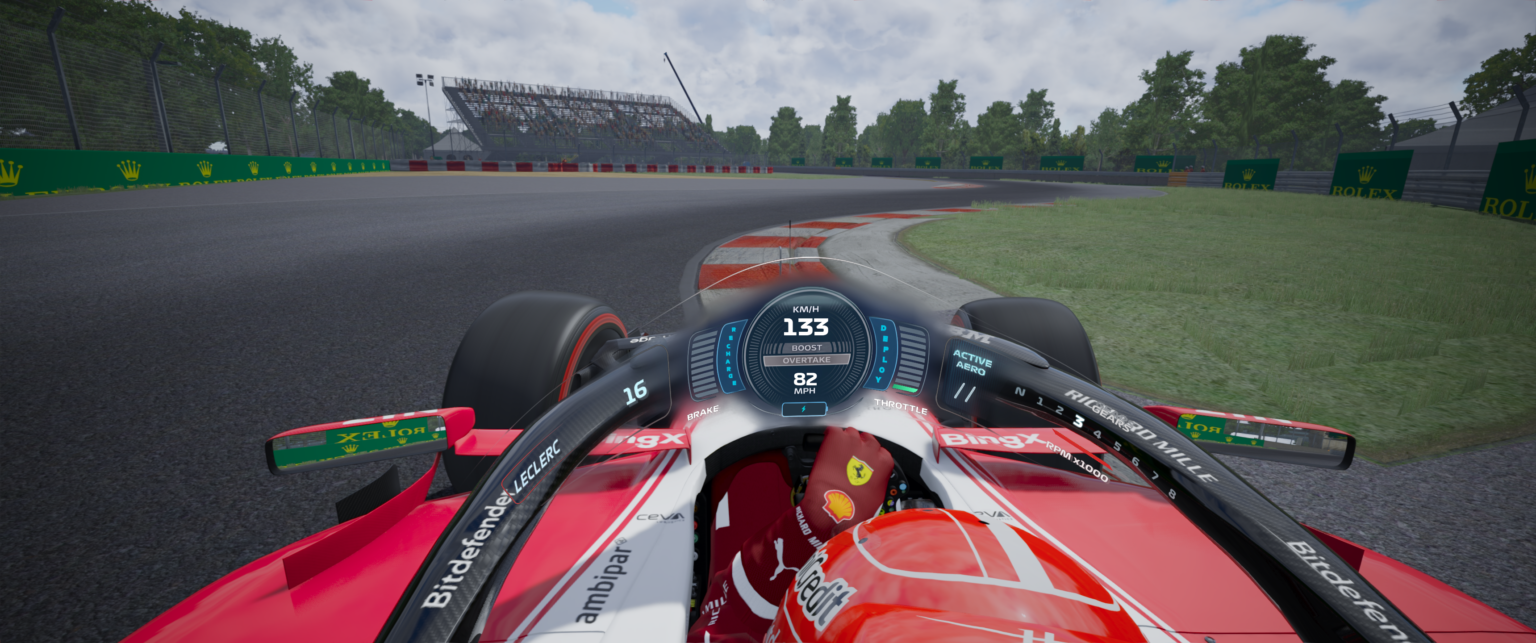
- Diegetic HUDs: Information is integrated into the game world itself, like a character's watch displaying health or a car's dashboard showing speed (e.g., Dead Space, Metro Exodus). This maximizes immersion.
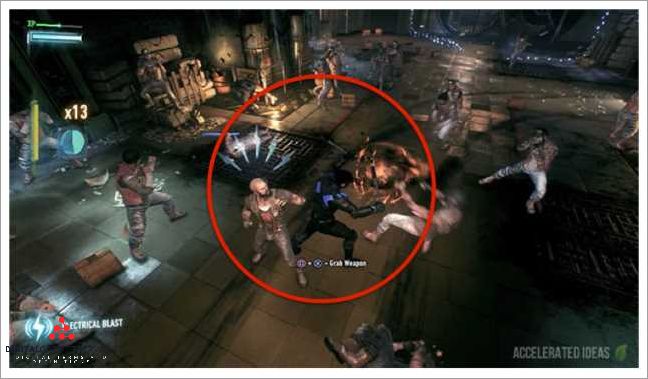
- Spatial HUDs: Information appears in the 3D game space, tied to objects or characters, like damage numbers floating above enemies.
- Meta HUDs: Information that does not exist in the game world but is presented within the context of the game's fiction, like a blood splatter on the screen to indicate low health (e.g., Call of Duty).
These variations showcase developers' ongoing efforts to balance information delivery with immersive storytelling, catering to diverse player preferences and game styles. This diversity is especially relevant as gamers increasingly enjoy cross-play across platforms, where different display sizes and input methods might benefit from tailored HUD approaches.
What Is the Trend With Minimalist HUDs and How Do They Impact Immersion?
The minimalist HUD trend emphasizes reducing on-screen information to its bare essentials, often forgoing traditional bars and numbers in favor of subtle visual cues or context-driven displays. The primary goal is to enhance immersion, allowing players to fully appreciate the game's visuals and atmosphere without constant distractions. Games like Red Dead Redemption 2 or Breath of the Wild offer options for minimalist HUDs, where information might appear only when relevant or be indicated by subtle changes in character animations or sounds. While it boosts immersion, it can present a challenge for new players who rely on clear indicators, especially those who game after a long day and prefer a straightforward experience.
How Does HUD Design Impact Competitive Gaming and Esports?
In competitive gaming and esports, HUD design is paramount. Teams and individual players often spend significant time optimizing their HUD settings to gain every possible advantage. A clear, intuitive HUD allows players to track vital cooldowns, monitor enemy positions via the mini-map, manage resources, and communicate effectively with teammates. Esports titles typically feature highly configurable HUDs, recognizing that personal preference and quick information access are critical for professional-level play. Effective HUD design can reduce cognitive load, enabling players to focus purely on strategic execution and reaction time during high-pressure moments.
Can HUDs Be a Pain Point for New or Casual Gamers?
Yes, a poorly designed or overly complex HUD can definitely be a pain point. New players might feel overwhelmed by too much information, struggling to discern what is important. Casual gamers, who often play for relaxation and might have limited time, can get frustrated if they spend too much time deciphering cryptic icons or searching for basic information. This often leads to setup issues or performance problems in the sense of 'player performance' rather than system performance. Game developers are increasingly focusing on accessibility and intuitive design, offering customizable HUD options to cater to varying levels of experience, ensuring that everyone can enjoy the game without unnecessary barriers.
What Are Some Pro Tips for Optimizing Your HUD Settings?
Optimizing your HUD is about making it work for YOU. Here are some pro tips:
- Reduce Clutter: Turn off any elements you do not absolutely need. Many games allow you to hide the mini-map or quest log until you press a specific button.
- Prioritize Information: Identify the most critical information for your playstyle (e.g., health, ammo, ability cooldowns) and ensure these are prominent and easily visible.
- Adjust Opacity and Scale: Experiment with making less crucial elements transparent or smaller, so they are there if you need them but do not dominate your screen.
- Reposition Elements: Move elements closer to your center of vision or group related items together. For instance, putting health and mana bars side-by-side can be more efficient.
- Consider Colorblind Modes: If you have colorblindness, utilize the accessibility options in your game to adjust HUD colors for better visibility.
- Platform Specifics: On mobile, less is often more due to screen size. On PC, leverage larger monitors for more spread-out, clear information.
These adjustments can lead to a more focused and less fatiguing gaming session, helping you balance your gaming passion with life's other demands.
How Do HUDs Adapt Across Different Gaming Platforms (PC, Console, Mobile)?
HUDs undergo significant adaptation across platforms due to varying screen sizes, input methods, and player distances from the display. On PC, with larger monitors and mouse input, HUDs can be more detailed and spread out, often allowing for extensive customization with mods or in-game settings. Console HUDs, designed for TV screens and gamepad input, tend to be more consolidated and less cluttered to ensure readability from a distance. Mobile gaming presents the biggest challenge; with limited screen real estate and touch controls, mobile HUDs are typically minimalist, relying on context-sensitive pop-ups or dynamic icons that disappear when not in use. This multi-platform flexibility is crucial as cross-play and gaming-on-the-go become the norm for today's gamers.
Understanding what does HUD stand for in gaming is more than just knowing an acronym; it is about grasping a fundamental aspect of game design that directly impacts your enjoyment, performance, and immersion. Whether you are a casual player looking to unwind or a competitive gamer aiming for the top, a well-optimized HUD is your silent partner in every virtual adventure. By customizing your display, reducing clutter, and prioritizing information, you can transform your gaming experience, making it more efficient, engaging, and ultimately, more fun. So take a moment, dive into your game's settings, and tailor your Heads-Up Display to perfectly suit your needs.
FAQ Section
Q: Is a HUD always visible during gameplay? A: Not necessarily. Many modern games offer options to toggle the HUD off entirely or display only context-sensitive elements that appear and disappear as needed, enhancing immersion.
Q: Can turning off the HUD improve game performance (FPS)? A: Generally, no. The HUD is a graphical overlay and its rendering has a minimal impact on your game's frame rate. Its primary optimization benefit is for player performance and focus, not system performance.
Q: What is the difference between a UI and a HUD in gaming? A: UI (User Interface) is a broader term encompassing all interaction elements, including menus, inventory screens, and options. The HUD (Heads-Up Display) is a specific part of the UI that provides real-time gameplay information directly on the screen without leaving the action.
Q: Do free-to-play games often feature more complex HUDs? A: Not necessarily more complex, but often more information-dense. Free-to-play games, especially on mobile, might feature prominent HUD elements related to in-game purchases, daily rewards, or event tracking to encourage engagement, which can sometimes lead to a cluttered look if not designed carefully.
Q: How do VR games handle HUDs? A: VR games often use diegetic HUDs, integrating information into the virtual world (e.g., on a wrist device or within a helmet visor) or spatial HUDs that float in the 3D environment. This prevents motion sickness and enhances presence, as traditional flat overlays can be disorienting in VR.
What is your biggest gaming challenge when it comes to visual information? Comment below!
HUD definition, importance of HUD, common HUD elements, HUD customization, minimalist HUD trends, competitive gaming HUD, HUD across platforms, optimizing HUD settings, future of HUD design.
33



What Is A HUD In Games Design Explained Vsquad Gaming Hud.webp. What Does Hud Stand For In Games How To Use Hud In A Sentence . Terminology What Is The Difference Between A HUD And A GUI In A Game P4AUS . Best 4 Finger HUD CODM 2026 Pro Player Setup Guide Codm 4 Finger Hud Pro 2026.webp. Hud Meaning Gaming Everything You Need To Know About Head Up Displays Hud Meaning Gaming Everything You Need To Know 3



What Is The HUD In Video Games The HUD Heads Up Display Is The Examples Of HUD Equipped Magic Context Sensitive Information . What Is The HUD In Video Games The HUD Heads Up Display Is The Examples Of HUD Super Mario Bros Is A Great Example Of A Basic HUD. It Displays It's Information With Terminology And Visually. . What Is A HUD In Games Design Explained Vsquad Dead Space Hud.webp. Discover The Best HUD Top Picks For 2026 LevelUpTalk Top Hud Options 2026 02 24 2026 10a663c5 8ec7 42a5 A2a8. What Does HUD Stand For Housing Basics CdQSP72AvW8 Hqdefault



Designing Outstanding And Functional HUDs In Video Games Expert Guide . What Is HUD And What Does It Do What Is Hud And What Does It Do . Hud Meaning Gaming Everything You Need To Know About Head Up Displays Hud Meaning Gaming Everything You Need To Know 2 . Discover The Best HUD Top Picks For 2026 LevelUpTalk Top Hud Options 2026 02 24 2026 10a663c5 8ec7 42a5 A2a8. Gaming Glossary G2A News


Best Video Game HUDs Complete 2025 List GamingScan HUD Horizon Zero Dawn 768x432 . How To Create A HUD To Strengthen Your Game S Design The Importance Of PUBG Mobile 1 . MLBB Custom HUD Pro Player Mythic Layout 2026 MLBB Custom HUD Pro Player Mythic Layout 2026 . How To Hide Or Change Hud In CS2 Full Guide 2026 Main X Name 11 .webp. What Does HUD Stand For Housing Basics Hud Meaning .webp



How To Use The 2026 Cadillac Lyriq V AR HUD Video 2026 Cadillac Lyriq V Augmented Reality HUD How To Video September 2025 005 850x546 . What Does HUD Stand For Housing Basics What Does Hud Stand For . Assetto Corsa F1 2026 HALO HUD Assetto Corsa Mods Hud13 1536x643 . What Is A HUD In Games Design Explained Vsquad 7866575567. 2026 HUD Inflation Adjustments Key Changes And Updates Redirect




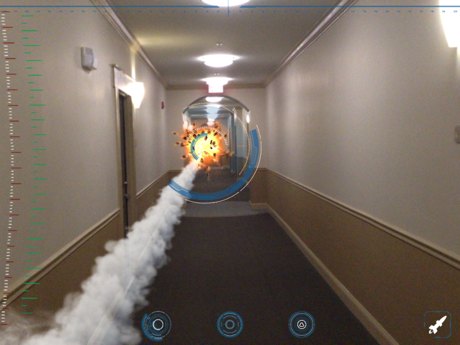
HUD FY 2026 SAFMR Lookup Tool Find Your Section 8 RCS 150 Threshold 4d227f50 0777 4b64 Bc3d 1200x878 . HUD Releases 2026 Utility Allowance Factors Houses . HUD Releases 2026 Operating Cost Adjustment Factors OCAFs HUD Releases 2026 Operating Cost Adjustment Factors OCAFs 1 Scaled . What Does HUD Stand For HUD Full Form What Does HUD Mean HUD . Iron HUD Cheats WORKING GameHow24 460x0w

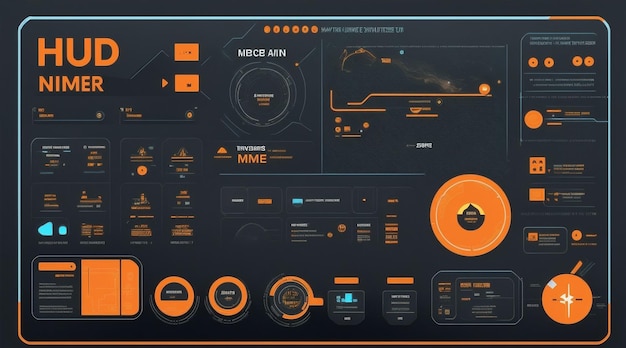
Hud Meaning Gaming Everything You Need To Know About Head Up Displays Hud Meaning Gaming Everything You Need To Know 1 . Sheep Esports First Stand 2025 A New HUD Co Streaming Allowed And Image. Premium Photo Hud User Interface Technology For Spaceship Or Virtual Hud User Interface Technology Spaceship Virtual Reality Game With Infographic Chart Navigation Button Generative Ai 952778 2369