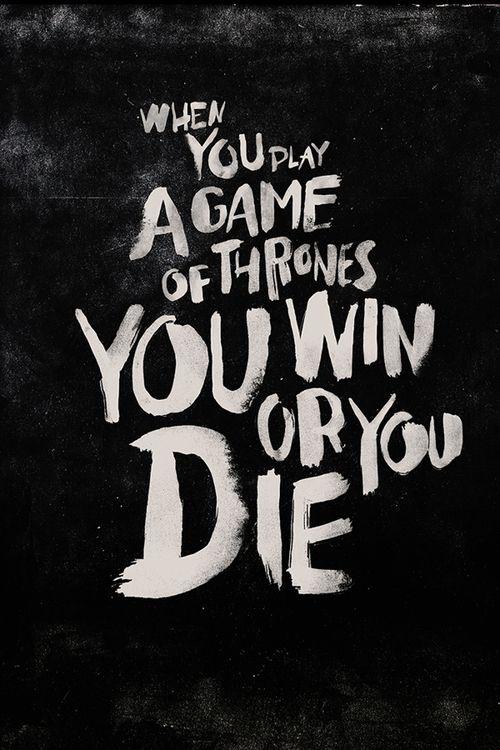
Explore the profound strategic implications of "When you play the game of thrones, you win or you die" in modern gaming. This iconic quote transcends its HBO origins, becoming a core philosophy for competitive players across various genres. Understand how this mindset influences decision making, resource management, and risk assessment in popular titles from grand strategy to MOBAs. Discover actionable insights and psychological frameworks derived from Westeros's brutal power struggles, helping you master intricate game mechanics and outmaneuver opponents. This informational guide unpacks the quote's relevance, offering trending perspectives on strategic mastery and survival in today's gaming landscapes. Learn why adopting this perspective can sharpen your competitive edge and elevate your gameplay experience significantly. It is all about dominance and outsmarting your rivals.
Welcome to the ultimate living FAQ about the iconic Game of Thrones quote: "When you play the game of thrones, you win or you die." We've updated this guide for the latest gaming meta, ensuring you have the freshest insights. This isn't just about reciting a line; it's about understanding its profound application in today's most competitive titles. Whether you're a seasoned strategist or just starting your journey, this guide breaks down complex concepts into digestible, actionable advice, helping you master the intricate dance of power and survival in your favorite games. Get ready to elevate your play, armed with the wisdom of Westeros. Our aim is to demystify complex gaming strategies.
This comprehensive resource explores the quote's relevance across various gaming genres, from intense real-time strategies to thrilling multiplayer online battle arenas. We delve into how this strategic mindset can sharpen your decision-making, optimize resource management, and help you anticipate opponents' moves. Understanding the "win or die" principle encourages a proactive rather than reactive approach, fostering a competitive edge. It is a philosophy that transcends simple gameplay mechanics and touches on the psychology of dominance. This FAQ will equip you with the knowledge to not just play, but to truly conquer. You will learn to identify key moments and capitalize on them effectively.
Most Asked Questions about "when you play the game of thrones quote"
What does "When you play the game of thrones, you win or you die" mean in gaming?
In gaming, this quote means that in high-stakes, competitive scenarios, there's often no middle ground; you either execute a winning strategy or face defeat. It emphasizes the importance of decisive action, calculated risks, and unwavering commitment to objectives. Players must analyze every choice, understanding that consequences are severe. It's about striving for mastery and acknowledging that inaction or poor strategy leads to loss. This mindset applies to many strategic and competitive titles today.
Why is the Game of Thrones quote so popular among competitive gamers?
The quote resonates with competitive gamers because it perfectly encapsulates the intense, high-stakes nature of many online and strategy games. It highlights the binary outcome of victory or defeat, pushing players to strive for optimal performance. Gamers often face situations where tactical errors can lead to irreversible losses. This dramatic phrasing adds a layer of gravitas to their competitive struggles. It speaks to the psychological pressure and ultimate thrill of conquest.
How can I apply the "win or die" philosophy to my strategy games?
To apply this philosophy, focus on deep planning and ruthless efficiency. Prioritize objectives, manage resources meticulously, and anticipate opponent moves several turns ahead. Always have a contingency plan and be ready to adapt when circumstances change. View every mistake as a critical lesson and strive for continuous improvement. Remember, every decision should contribute directly to your path to victory, leaving no room for complacency. It is about understanding the full implications of each action.
What are common pitfalls when adopting a "win or die" gaming mindset?
Common pitfalls include burnout from excessive pressure, toxicity towards teammates or opponents, and an inability to enjoy the game. Taking the quote too literally can lead to frustration and a refusal to learn from losses. It's crucial to balance competitive drive with sportsmanship and mental well-being. Remember to focus on the strategic challenge and improvement, not just the outcome. Healthy competition means respecting others and yourself. It requires a balanced perspective.
Who benefits most from this strategic Game of Thrones mindset in gaming?
Players of grand strategy, real-time strategy (RTS), MOBA, and tactical shooter games benefit most. These genres often feature complex economies, intricate combat, and punishing consequences for errors. Those who can consistently out-think and out-maneuver opponents, making every move count, find significant success. The mindset cultivates a deep understanding of game mechanics and player psychology. It truly enhances competitive performance. This approach is invaluable for climbing ranked ladders.
Beginner Questions about the Game of Thrones Quote
How does the "win or die" quote apply to learning new game mechanics?
When learning new game mechanics, the "win or die" quote encourages thoroughness and practice. It means you must truly grasp how each mechanic functions, because a misunderstanding could lead to significant disadvantages. Treat each practice session or tutorial as a step towards mastering the system. Understand that imperfect knowledge can lead to in-game "death." Practice until mechanics become second nature, securing your ability to win. This approach ensures a solid foundation for advanced play.
Are there any casual games where this quote still holds relevance?
Even in casual games, the "win or die" quote can hold relevance, though usually in a more lighthearted sense. For instance, in party games with competitive elements, it highlights the drive to simply outperform friends. In casual strategy games, it might mean meticulously planning a build order for bragging rights. It reinforces the idea of playing to your best ability, even if the stakes aren't high. It's about personal satisfaction and strategic engagement. This quote can inspire a playful competitive spirit.
Tips, Tricks & Guides for "Win or Die" Gaming
Tip: Mastering Early Game for "Win or Die" Dominance
To dominate using a "win or die" philosophy, mastering the early game is absolutely crucial. Focus on securing vital resources, establishing map control, and denying your opponent any easy advantages. Aggressively scout, punish overextensions, and ensure your build order is as efficient as possible. An early lead often snowballs into an insurmountable advantage, effectively dictating the terms of the match. Your proactive early game can put your opponent on the back foot permanently. It sets the tone for the entire match.
Trick: Using Psychological Warfare to Gain an Edge
Psychological warfare is a potent trick for gaining a "win or die" edge. This involves manipulating your opponent's perception and decision-making. Feint attacks to draw out their forces, make seemingly reckless plays that actually bait them into traps, or use chat to subtly get inside their head. The goal is to make them doubt their plans, second-guess their actions, or commit to suboptimal plays. A confused or frustrated opponent is often an easy target. This can be as effective as direct combat. It's about controlling the mental battlefield.
Guide: Adapting Your Strategy When Faced with Unexpected Adversity
Adapting your strategy quickly when faced with unexpected adversity is a core "win or die" guide. Never stick rigidly to a failing plan. If an opponent counters your primary strategy, immediately pivot to a secondary one. This requires deep game knowledge and flexibility. Evaluate the new threat, identify its weaknesses, and reallocate your resources to counter it effectively. The ability to switch gears mid-match and stay agile is often what separates champions from the rest. It ensures you always have a path to victory.
Builds & Classes for Optimal "Win or Die" Performance
Which game builds are best for a "win or die" playstyle?
Optimal "win or die" builds typically focus on high impact, burst damage, or strong objective control. In MOBAs, this means carries with scaling potential or junglers with strong gank pressure. In RTS games, it might be a fast-tech build that rushes a powerful unit, or an economy-focused build designed for late-game dominance. The key is to pick builds that have clear win conditions and minimize vulnerabilities. These builds are designed to seize control and dictate the flow. They enable decisive engagements and resource exploitation.
How do specific classes align with the "win or die" philosophy?
Specific classes align well with the "win or die" philosophy by offering tools for decisive action and control. Assassin classes thrive on eliminating key targets quickly, embodying the "win" through surgical strikes. Support classes with strong crowd control or initiation abilities can create game-winning opportunities. Tank classes, by absorbing damage and protecting carries, ensure the team's survival and path to victory. Each class, when played optimally, serves a critical role in achieving the ultimate win condition. It's about maximizing your class's impact.
Endgame Grind for "Win or Die" Aspirations
What are the "win or die" strategies for late-game objectives?
Late-game objectives are often the true "win or die" moments. Strategies include meticulous vision control around objectives, precise team fight initiation, and coordinated objective races. Knowing when to push for a game-ending objective versus baiting the enemy into a trap is crucial. Secure powerful buffs, control crucial chokepoints, and ensure your team is positioned to capitalize on any enemy misstep. One successful late-game objective can seal the victory. It demands ultimate precision and communication from your team.
How do you maintain focus during an extended "win or die" endgame?
Maintaining focus during an extended "win or die" endgame requires mental fortitude. Take short, deep breaths during lulls. Keep communication clear and concise with teammates. Avoid tunnel vision by constantly checking the minimap and enemy positions. Remind yourself of the game's ultimate win condition and what steps are needed to achieve it. Trust your practice and your team. This sustained concentration ensures you can execute complex plays under immense pressure. It's a mental marathon, not a sprint.
Bugs & Fixes Impacting "Win or Die" Gameplay
How do game-breaking bugs affect the "win or die" philosophy?
Game-breaking bugs can severely disrupt the "win or die" philosophy, turning strategic mastery into frustrating randomness. When core mechanics are unstable, skill and planning are undermined by unforeseen glitches. This forces players to adapt to an unpredictable environment, often leading to unfair losses that have nothing to do with their strategic choices. Developers must address these issues swiftly to restore the integrity of competitive play. It can erode player trust and competitive spirit. It undermines the very essence of fair competition.
Are there community-driven fixes for issues that impact competitive play?
Yes, often the gaming community itself develops temporary fixes or workarounds for issues impacting competitive play, driven by the desire to maintain a fair "win or die" environment. These can range from specific in-game settings adjustments to third-party tools that mitigate known glitches. While not official, these community solutions demonstrate players' commitment to fair competition. However, official patches from developers are always the preferred and most stable solution. The community's dedication to quality is often quite remarkable.
Still have questions? Dive deeper into advanced game theory or explore specific guides for your favorite competitive titles!
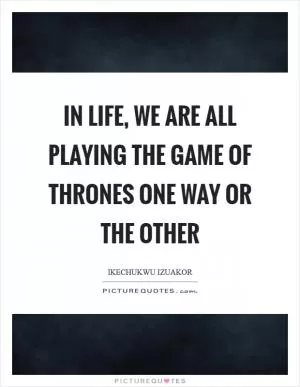
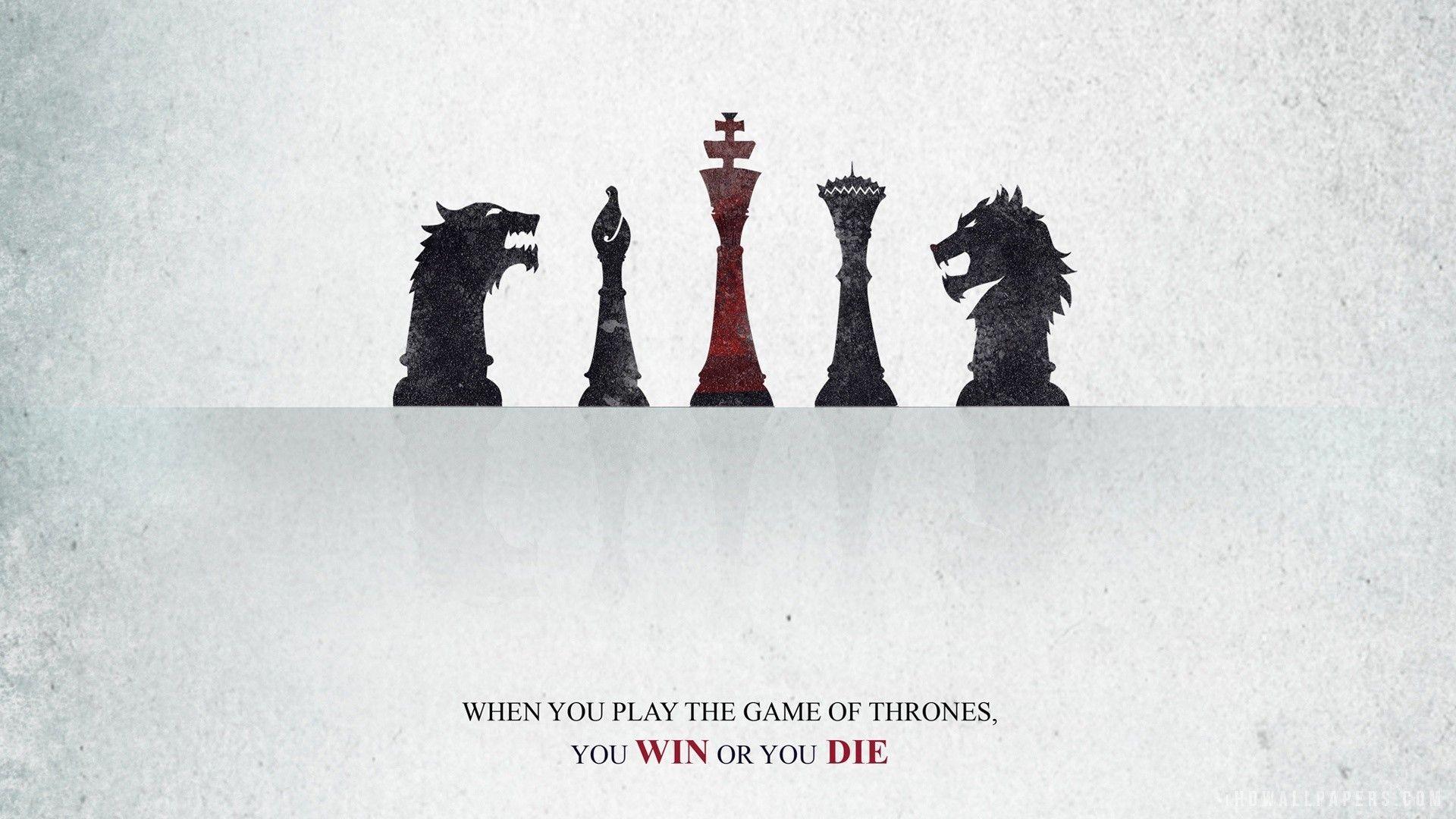
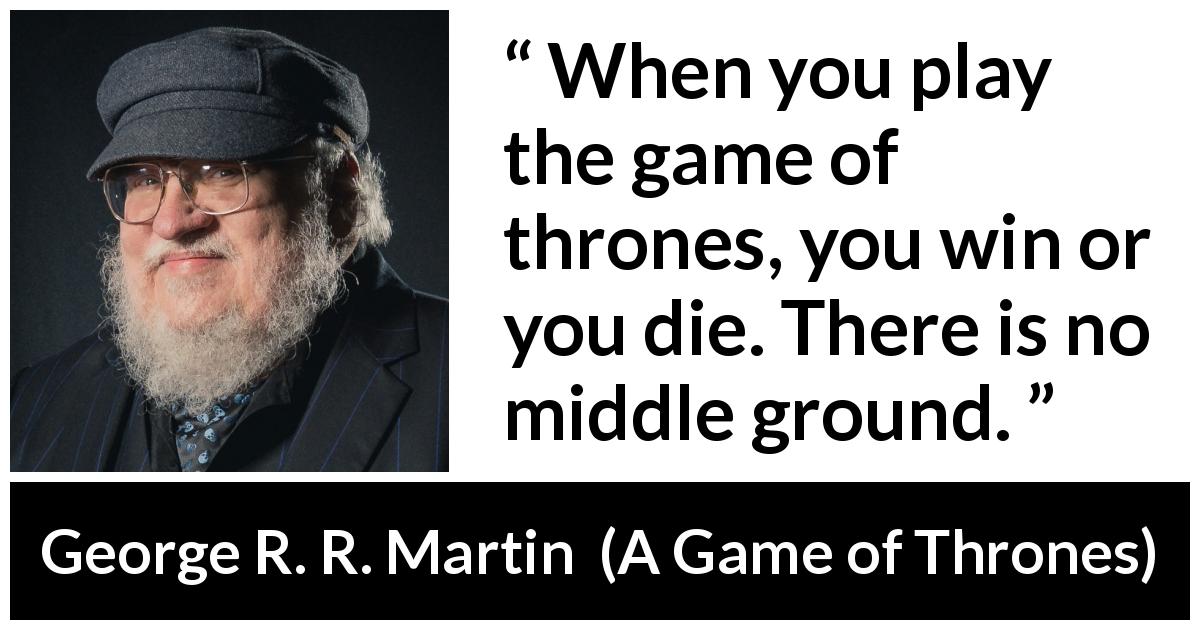
Ever found yourself pondering how to truly conquer the digital realms you inhabit, drawing inspiration from the cutthroat world of Westeros? When you play the game of thrones, you win or you die. This isn't just a chilling line from a beloved series; it's a profound strategic mantra that resonates deeply within the gaming community, especially in titles demanding sharp wits and ruthless efficiency. It forces us to consider our every move, making victory an imperative and defeat an unthinkable outcome. But what does it really mean to embody this philosophy in the modern gaming landscape, where every match can feel like a battle for survival?
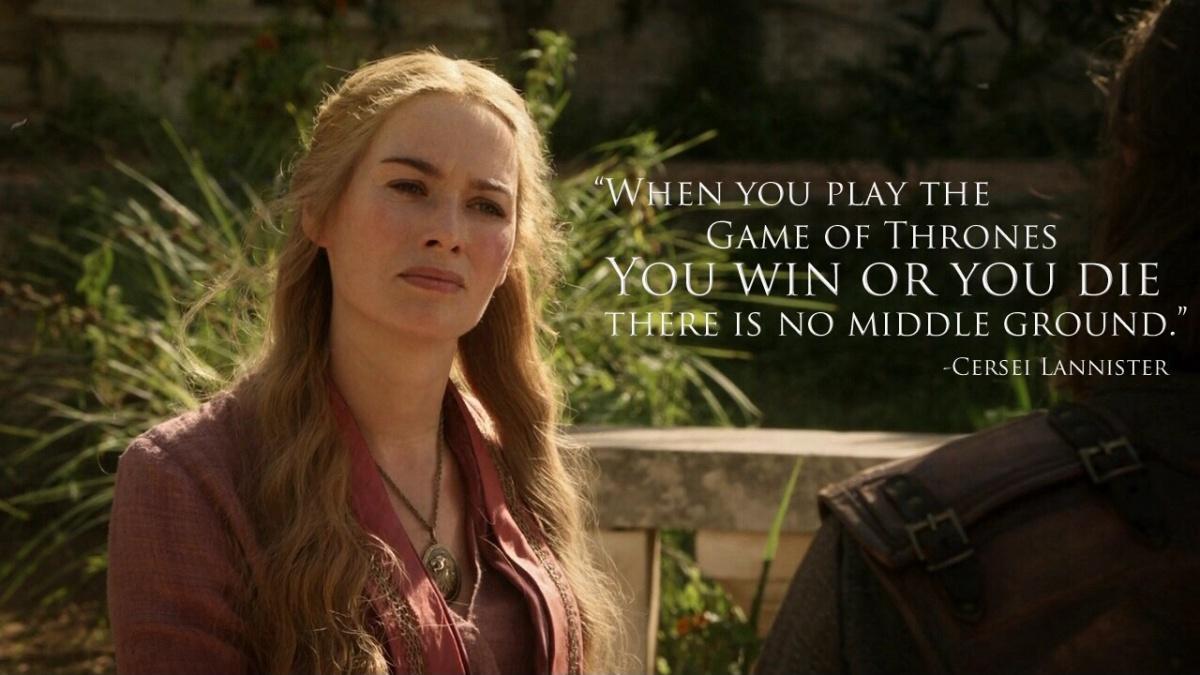
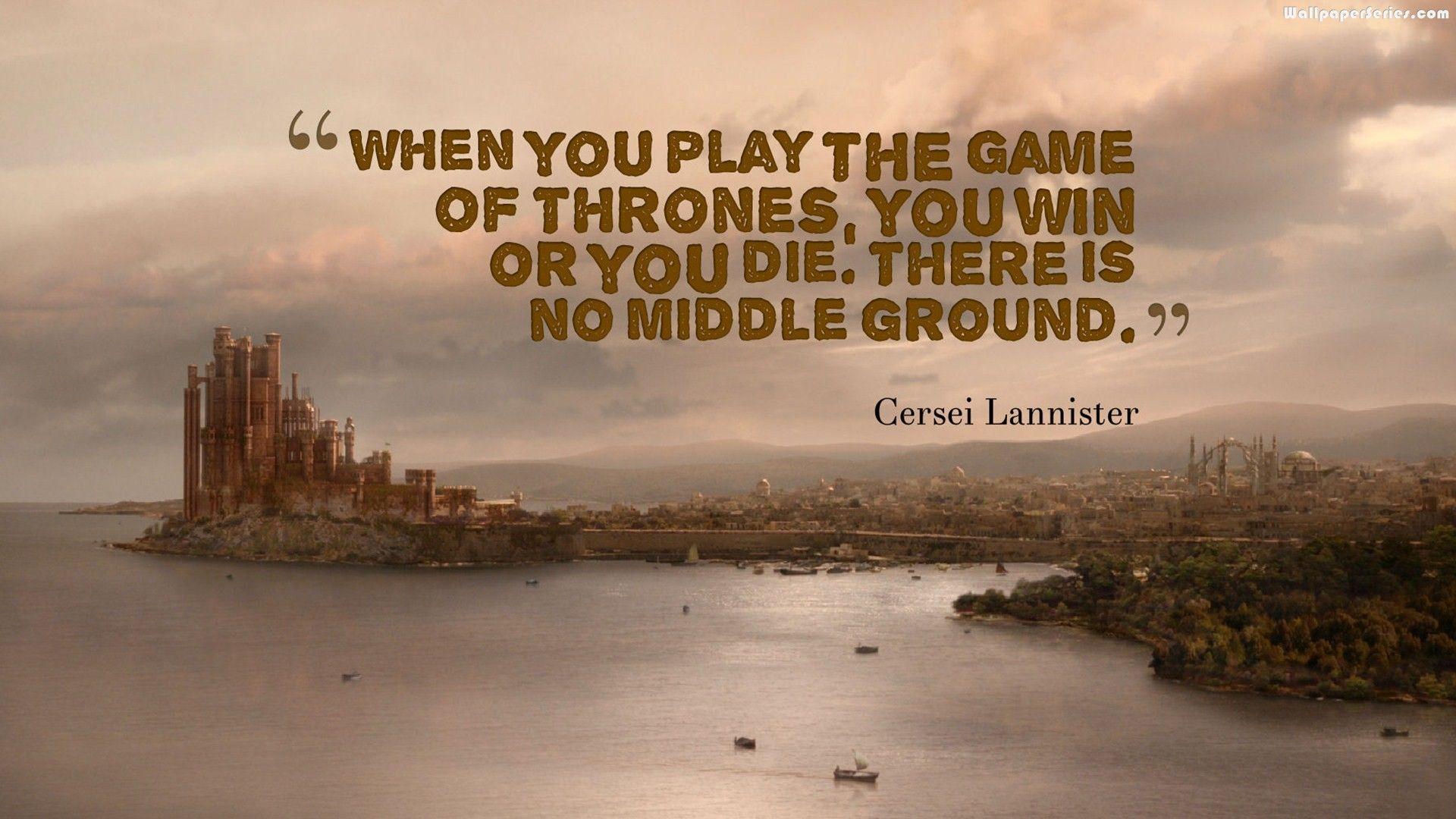
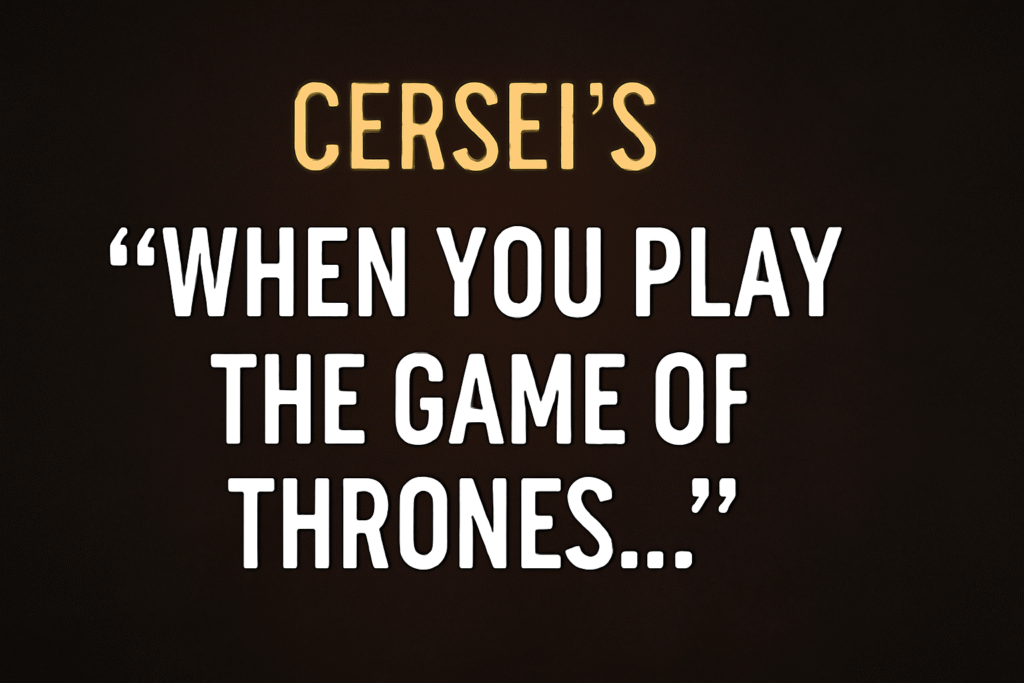
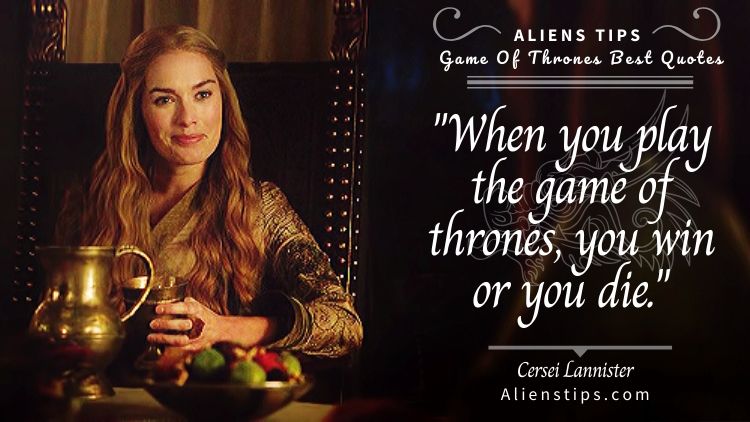
This iconic statement, uttered by the shrewd Cersei Lannister, serves as a brutal reminder of the high stakes involved in any power struggle. In gaming, particularly in genres like grand strategy, real-time strategy, and even competitive multiplayer online battle arenas, this philosophy offers a powerful lens. It encourages players to think several moves ahead, anticipate opponent reactions, and never underestimate the desire for victory. We’re not just playing; we're vying for dominance in a complex digital ecosystem. Incorporating this ruthless yet logical approach can elevate your gameplay from casual fun to a calculated ascent towards mastery. Let's delve into how this quote shapes a truly competitive gaming mindset in 2024.
Beginner / Core Concepts
- Q: What is the core meaning of "When you play the game of thrones, you win or you die" for a new gamer? A: I get why this quote might feel intense, especially if you're new to competitive gaming. Essentially, for a new gamer, it means that in certain games, particularly those with high stakes and strategic depth, every decision truly matters. You're either making choices that lead you toward victory or ones that inadvertently contribute to your downfall. There's little room for complacency or half-hearted attempts; you must commit fully to your strategy. This doesn't mean you need to be cutthroat in every single casual match, but it emphasizes the importance of understanding game mechanics deeply. It truly highlights the concept of consequences, pushing you to learn from mistakes quickly. Think about it: if you don't secure key objectives in an RTS game, your opponent will, gaining an irreversible advantage. It’s about recognizing that competitive environments demand your full attention and strategic effort to succeed. You’ve got this!
- Q: How can this "win or die" mindset help me improve my strategic thinking in simpler games? A: This one used to trip me up too, thinking it was just for hardcore pros. But even in simpler games, adopting a "win or die" mindset can dramatically sharpen your strategic thinking. It encourages you to analyze every action you take, no matter how small, and evaluate its impact on your overall objective. For instance, in a simple deck-building game, it means considering not just the immediate turn but how each card played sets up future turns for either a decisive victory or a weakening position. This approach makes you consciously identify potential threats and opportunities. It helps you prioritize actions, conserve resources effectively, and recognize when to press an advantage. You start to see patterns and predict outcomes, moving beyond reactive play to proactive, calculated moves. It’s about building a solid foundation for more complex strategies down the line. Try this tomorrow and let me know how it goes.
- Q: Does applying this quote mean I have to be aggressive all the time in games? A: That's a great question, and it's a common misconception about the quote's interpretation. No, absolutely not! Being aggressive all the time is often a fast track to ruin in strategic games. The "win or die" philosophy is about *effective* play, not *reckless* play. Sometimes, the most strategic move is to be patient, build your resources, defend your territory, or even mislead your opponent. Think of it like a chess match; you don't charge all your pieces forward at once. You carefully position them, waiting for the opportune moment to strike. The quote emphasizes the importance of making the *right* move for the situation, which could involve calculated aggression, astute defense, or subtle manipulation. It's about securing victory by any *necessary* means, not just brute force. It encourages adaptability and understanding the flow of the game, rather than sticking to a single, one-dimensional tactic. You'll find success with a balanced approach.
- Q: Where does the "win or die" mentality appear most obviously in current popular games? A: Oh, you'll see this mentality shining brightest in games where resource denial and map control are paramount, and where small advantages snowball quickly. Think about titles like **Starcraft II** or **Age of Empires IV**, where missing a key economic upgrade or losing a skirmish early can put you on a path to defeat you can barely recover from. It’s also incredibly evident in popular MOBAs like **League of Legends** or **Dota 2**. A single misplaced team fight, a failed objective attempt, or even poor minion wave management can swing momentum irreversibly towards the enemy. In these games, the pressure is constant. Every kill, every objective taken, every unit lost carries significant weight. It creates a palpable tension where players are acutely aware that every action moves them closer to victory or closer to defeat, making the "win or die" stakes very real and immediate. It's a thrilling, high-pressure environment for sure.
Intermediate / Practical & Production
- Q: How can players identify "critical moments" in a game that embody the "win or die" principle? A: Identifying critical moments is absolutely key, and it's where seasoned players really shine! These aren't always obvious, but they're typically junctures where the outcome of an engagement or decision can drastically alter the game's trajectory. For instance, in strategy games, a critical moment might be a contested control point in the late game, or a major resource expansion that if secured, grants an insurmountable economic lead. In a team-based shooter like **Valorant** or **CS:GO**, it could be a clutch 1v2 situation where winning means breaking the enemy economy or securing a crucial round lead. It often involves high risk and high reward. Look for situations where both sides are heavily invested, or where a single mistake could lead to a rapid loss of momentum. It takes practice and understanding game flow. The ability to recognize these tipping points and act decisively under pressure is a hallmark of true mastery. You're learning to spot the pivotal plays!
- Q: What specific gaming strategies or tactics directly reflect the Game of Thrones quote? A: So many strategies directly reflect this quote, it's fascinating! One prime example is **resource denial**, where you actively prevent your opponent from gaining essential resources, crippling their ability to build or upgrade. Think about "harassing" an enemy's economy in an RTS or zoning them away from experience in a MOBA. Another is **punishing mistakes immediately and decisively**. If an enemy overextends, you don't just poke; you commit to securing a kill or an objective. This proactive, relentless pressure embodies the "win or die" ethos. There's also the concept of **information warfare** and **deception**, like feinting attacks to draw out enemy defenses, or hiding your true build path in a competitive card game until the last moment. These tactics aren't just about outplaying; they're about out-thinking and out-maneuvering, often forcing your opponent into losing positions they can't recover from. It’s all about control.
- Q: How does risk assessment change when you approach a game with a "win or die" mentality? A: Risk assessment totally transforms when you've got that "win or die" fire in your belly. Instead of simply avoiding risk, you start to evaluate *calculated risks* that offer a significant path to victory, even if they're dangerous. It’s no longer about playing it safe; it's about playing it *smart*. You'll find yourself asking: Is this high-risk maneuver going to give me an advantage so profound that my opponent can't come back from it? Or is it a desperate gamble that will only hasten my demise? This mindset pushes you to weigh potential rewards against potential losses with extreme scrutiny. It encourages deep scenario planning, considering best-case and worst-case outcomes for every aggressive push or defensive stand. It's about knowing when to go all-in for the win, and when to retreat and live to fight another day, because losing isn't an option. You're becoming a master tactician!
- Q: Can this mentality lead to burnout or toxicity in competitive gaming? How to balance? A: This is a super important point, and yes, it absolutely can lead to burnout or toxicity if not managed correctly. The "win or die" mindset, when taken to extremes, can make every loss feel like a personal failure, fostering immense frustration. This frustration can then unfortunately spill over into negative interactions with teammates or opponents, which is never productive. The key is balance and perspective. Remember, the quote is about *strategic commitment* to winning, not about literal life-and-death stakes. Focus on learning from every match, win or lose. View defeats as invaluable data points for improvement, rather than insurmountable setbacks. Practice good mental hygiene by taking breaks, celebrating small victories, and remembering that gaming is ultimately for enjoyment. Your goal is competitive excellence, not emotional exhaustion. It’s about building a resilient mindset, not a fragile one.
- Q: In team-based games, how does the quote influence coordination and individual roles? A: In team-based games, this quote profoundly influences how players approach coordination and their individual roles, shifting from mere participation to crucial contribution. Everyone on the team understands that their specific role is vital for the collective victory, meaning underperforming can literally spell defeat for the entire squad. It encourages stricter adherence to team compositions and assigned duties, like a tank truly soaking damage or a support player diligently protecting carries. Communication becomes clearer and more critical, often revolving around objective calls, enemy positions, and strategic rotations aimed at securing map control or decisive engages. The mindset fosters a deep sense of accountability; each player recognizes their actions directly impact the win condition. It demands synchronized efforts, where individual brilliance is amplified by collective strategic execution. It truly pushes for a cohesive unit working towards a shared, unyielding goal.
- Q: What lessons from the Game of Thrones series itself can gamers apply to their play? A: Oh, there are so many juicy lessons from the show that gamers can apply! One massive takeaway is the importance of **alliances and diplomacy**. Just like in Westeros, collaborating with teammates, even temporary ones, can turn the tide in your favor in a big way. Secondly, **information gathering and espionage** are crucial; knowing your enemy's strengths, weaknesses, and intentions is half the battle. Think about scouting in RTS games or analyzing opponent builds in a fighting game. Then there's **resource management** – understanding that your gold, mana, or cooldowns are finite and must be used strategically. The series also teaches about **adaptability**. No plan survives first contact, so being able to pivot your strategy when faced with unexpected threats is essential. Finally, **patience and timing** are often more powerful than brute force. Knowing when to strike, when to defend, and when to bide your time is a lesson Cersei and Varys understood well. You’ll be a gaming mastermind!
Advanced / Research & Frontier
- Q: How can "win or die" tactics be utilized in competitive esports analysis and coaching? A: In competitive esports, "win or die" tactics are fundamental to both analysis and coaching, acting as a relentless lens through which every play is scrutinized. Coaches use this framework to dissect game states, identifying precise moments where teams either secured an irreversible advantage or committed a fatal error. This involves meticulous post-match review, pinpointing specific decisions in resource allocation, map control, or team fight execution that tipped the scales. For instance, an analyst might highlight a team's failure to contest a key objective as a "death sentence" moment that led to a cascade of losses. Coaching then focuses on eliminating these critical errors and reinforcing high-percentage, game-winning plays, treating every potential disadvantage as a direct threat to victory. It cultivates a culture of ultimate accountability, where every player's contribution is weighed against the ultimate win condition, driving continuous improvement and a fierce dedication to competitive perfection.
- Q: What psychological effects does sustained "win or die" gameplay have on top-tier esports players? A: Sustained "win or die" gameplay exerts immense psychological pressure on top-tier esports players, forging an incredible mental fortitude but also posing significant risks. On the positive side, it develops an unparalleled focus, resilience under pressure, and rapid decision-making abilities that casual players rarely experience. These players learn to compartmentalize setbacks, maintaining a clear mind even when the game hangs by a thread. However, the relentless stakes can also lead to chronic stress, anxiety, and burnout. The constant demand for perfection and the binary outcome of win or loss can make every defeat feel crushing, impacting self-esteem and motivation. Esports organizations are increasingly focusing on mental health support, recognizing that while the "win or die" mentality drives success, it requires careful management to prevent psychological toll. It's a delicate balance between pushing limits and preserving well-being.
- Q: How does the "meta" in games evolve under the influence of this cutthroat philosophy? A: The "meta" in games evolves directly under the influence of this cutthroat philosophy, constantly shifting as players seek the most efficient path to victory or death. When a new patch drops, players immediately start theory-crafting and experimenting, not just for fun, but to uncover the *dominant* strategies that will secure wins. Any tactic or build that proves slightly more effective is rapidly adopted and optimized, quickly pushing out less efficient options. This creates a relentless cycle: a new "optimal" strategy emerges, forcing opponents to adapt or lose. Counter-strategies are then developed, and the meta shifts again. It's a never-ending arms race driven by the desire to exploit every possible advantage and eliminate any weakness. Developers often struggle to keep up, as player communities, fueled by this "win or die" drive, will find and leverage imbalances at breakneck speed, constantly pushing the boundaries of what's considered viable.
- Q: Beyond winning, what deeper philosophical insights does the quote offer to gamers? A: Beyond the simple act of winning, this quote offers profound philosophical insights for gamers, encouraging a deeper understanding of cause, effect, and personal agency. It highlights that every choice has consequences, compelling players to reflect on their decision-making process, both in-game and in life. It's a powerful lesson in accountability, showing that success often hinges on meticulous planning and relentless effort. The quote also subtly touches upon the nature of power and influence, demonstrating how small, calculated actions can lead to significant outcomes. It encourages a critical perspective on systems, helping players understand the underlying mechanics and exploit them ethically. Ultimately, it’s about recognizing your own capacity to shape outcomes through strategic intent and unwavering resolve, fostering a sense of empowerment. It’s a compelling mirror for self-improvement and critical thinking.
- Q: Are there any emerging game design trends that intentionally incorporate "win or die" stakes? A: Absolutely, we're seeing some fascinating emerging game design trends that intentionally crank up the "win or die" stakes, creating truly intense experiences for players. Roguelike games, for example, inherently embrace this philosophy with their permadeath mechanics. One wrong move, and your entire run, hours of progress, can be gone forever, forcing meticulous play. We also see it in hardcore survival games and certain battle royales where the last player standing takes all, and early mistakes are incredibly punishing. Some developers are experimenting with "legacy" systems in RPGs, where character choices or failures have permanent, generational impacts on the game world, making every decision feel weighty. There's also a trend towards shorter, high-stakes competitive modes where quick, decisive action is paramount, and the consequences of losing a single round are amplified. It’s all about making every moment feel impactful.
Quick Human-Friendly Cheat-Sheet for This Topic
- Think Ahead: Always consider the next three moves, not just the immediate one.
- Learn from Losses: Every defeat is a lesson; analyze why you "died" and how to "win" next time.
- Master Your Role: In team games, be the best version of your class or character you can be.
- Calculate Risks: Don't avoid risk entirely, but make sure your gambles are well-reasoned and have a clear path to victory.
- Adapt, Don't Break: When your initial plan fails, pivot quickly to a new strategy; rigidity is death.
- Stay Calm: The most dangerous opponents are those who keep their cool under pressure.
- Prioritize Objectives: Focus on what truly leads to victory, not just what feels good to do.
Strategic depth of the Game of Thrones quote, Application in diverse gaming genres, Psychological impact on competitive play, Risk-reward analysis and decision-making, Mastery of game mechanics through GoT lens, Enduring legacy of the quote's philosophy in gaming.
35

Lannisters When You Play The Game Of Thrones You Win Or You Die When You Play The Game Of Thrones You Win Or You Die Wiq . When You Play The Game Of Thrones Scattered Quotes S01e07 1 Min 600x338 . George R R Martin Quote When You Play The Game Of Thrones You Win 6813723 George R R Martin Quote When You Play The Game Of Thrones You Win . When You Play The Game Of Thrones You Win Or You Die There Is No When You Play The Game Of Thrones You Win Or You Die. There Is No Middle Ground . When You Play The Game Of Thrones You Win Or You Die There Is No



List Cersei Lannister Quote When You Play The Game Of Thrones You . Game Of Thrones Quotes Wallpapers Top Free Game Of Thrones Quotes 2736485 . George R R Martin Quote When You Play A Game Of Thrones You Win Or 2121828 George R R Martin Quote When You Play A Game Of Thrones You Win Or . Game Of Thrones Quotes Wallpapers Top Free Game Of Thrones Quotes 2736505 . Game Of Thrones Quotes When You Play Game Of Quotes


15 Beautiful Game Of Thrones Quotes The Odyssey Online When You Play The Game Of Thrones You Win Or You Die There Is No Middle Ground Quote 1 . 100 Game Of Thrones Quotes To Inspire And Motivate You Cersei Lannister Game Of Thrones Quotes 300x300 . Game Of Throne Quotes Sayings Game Of Throne Picture Quotes When You Play A Game Of Thrones You Win Or You Die Quote 1 . When You Play The Game Of Thrones You Win Or You Die There Is No XL . Game Of Thrones Quotes Wallpapers Wallpaper Cave Wp3057506


26 All Time Best Super Cool Game Of Thrones Quotes Unnamed 55 . Game Of Thrones Poster When You Play The Game Of Thrones You Win Or . George R R Martin Quote When You Play The Game Of Thrones You Win 6813724 George R R Martin Quote When You Play The Game Of Thrones You Win . George R R Martin Quote When You Play A Game Of Thrones You Win Or 4697314 George R R Martin Quote When You Play A Game Of Thrones You Win Or . Game Of Thrones Quotes Wallpapers Wallpaper Cave Wp3057449



Wallpaper On Winner When You Play The Game Of Thrones . When You Play The Game Of Thrones You Win Or You Die There Is When You Play The Game Of Thrones You Win Or You Die There Is No Middle Ground Quote 2 . Play The Game Of Thrones Nadine Ballantyne Game Of Thrones Quotes . Best Quotes From Game Of Thrones Episodes Perplexed Quotes From Game Of. Best 200 Game Of Thrones Quotes For 2025 Famous Game Of Thrones Quotes.webp
Game Of Thrones Quotes Sayings Game Of Thrones Picture Quotes. All Quotes And Dialogue Game Of Thrones Insider Cerseis 'When You Play The Game Of Thrones... Quote Explained What It Really Means About Power Strategy And Survival 1024x683 . When You Play A Game Of Thrones You Win Or You Die Quote By George When You Play A Game Of Thrones 611912 . 151 Best Game Of Thrones Quotes With Commentary Burning For Success Game 1 300x188 . Top 7 Game Of Thrones Quotes 2026 Update QuoteFancy 7205831 Game Of Thrones Quote The Lion Does Not Concern Himself With The

The Most Memorable HBO Game Of Thrones Quotes Aliens Tips %2B2020 05 . 15 Beautiful Game Of Thrones Quotes Img . Game Of Thrones Quotes Wallpapers Top Free Game Of Thrones Quotes 1882700 . Of Thrones Quotes 20 Best Game Of Thrones Quotes Ranked Be With Me. Build The New World With Me. This Is Our Reason. It Has Been From The Beginning . George R R Martin When You Play The Game Of Thrones You George R. R. Martin Quote About Death From A Game Of Thrones 2a1962